






























Queens Roadside Assistance for Unexpected Vehicle Problems
Need roadside assistance in Queens? Learn what to do during breakdowns, flat tires, battery problems, lockouts, overheating, and towing emergencies.

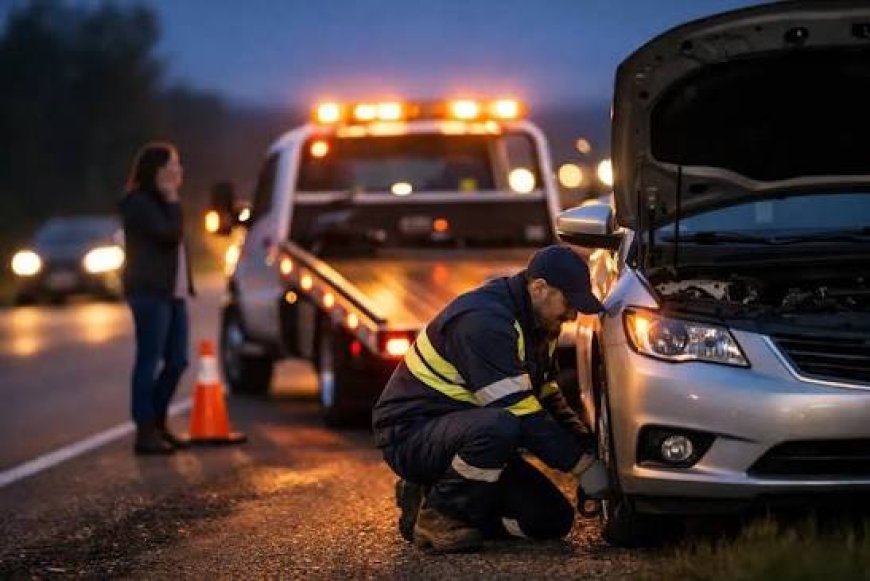
Vehicle problems rarely happen at a convenient time. A car may refuse to start before work, a tire can go flat during a busy commute, or a driver may discover a warning light while traveling through an unfamiliar area. In Queens, where traffic can be busy and trips often involve long stretches of driving, dealing with an unexpected breakdown can quickly become stressful.
Reliable roadside assistance gives drivers a practical way to handle these situations safely. Instead of attempting a risky repair beside the road or waiting without knowing what to do next, motorists can request professional help and focus on getting themselves and their vehicle to a safer location.
Why Roadside Problems Can Be Difficult in Queens
Queens has a mix of major roads, residential streets, commercial areas, bridges, and heavily traveled routes. A vehicle issue can happen almost anywhere, including while parked, stopped at an intersection, or traveling during rush hour. Finding a safe place to stop should always be the first priority. If the vehicle can still move, a driver should try to reach a safe shoulder, parking area, or another suitable location. Hazard lights can help make the vehicle more visible to approaching traffic. However, not every problem can be solved by simply moving the vehicle. Mechanical failures, damaged tires, dead batteries, overheating, and accidents may require professional assistance.
Common Roadside Problems Drivers Experience
Several vehicle issues regularly leave motorists searching for immediate roadside help.
Dead Battery
A dead battery can happen after leaving lights on, dealing with an aging battery, or experiencing an electrical problem. Jump-start assistance may get the vehicle running again, although a battery that repeatedly loses power should be inspected.
Flat or Damaged Tire
A punctured tire can make continuing to drive unsafe. Roadside professionals may be able to replace a flat with the vehicle's spare tire when appropriate. If the tire or wheel is severely damaged, towing may be necessary.
Lockout Situations
Locking keys inside a vehicle is an easy mistake to make. Professional roadside assistance can provide vehicle lockout support without requiring the driver to attempt potentially damaging entry methods.
Fuel-Related Problems
Running out of fuel can leave a driver stranded in an inconvenient location. Fuel delivery assistance may provide enough fuel to reach a nearby station and continue the journey.
Overheating
An overheating engine should not be ignored. Continuing to drive can cause serious mechanical damage. When the temperature rises excessively or warning indicators appear, stopping in a safe location and requesting assistance is generally a better option than taking a chance on further driving.
When Towing Is the Safer Choice
Not every roadside problem can be fixed where the vehicle stopped. Sometimes transportation to a repair facility is the most practical solution. Towing may be needed after a collision, serious mechanical failure, transmission problem, major tire damage, or an electrical issue that prevents the vehicle from starting. Professional operators can determine the appropriate towing method based on the vehicle's condition and type. For drivers searching online, terms such as Queens towing can help locate towing providers that serve the area. Before requesting service, it is useful to provide accurate information about the vehicle, its location, the problem, and whether the vehicle is in a particularly difficult position.
Roadside Assistance During Busy Traffic
Traffic conditions can make a breakdown more dangerous than the mechanical problem itself. A vehicle stopped near moving traffic creates a potential hazard for both the driver and other motorists. If possible, remain inside the vehicle with the doors locked when leaving the car would put you near traffic. If the vehicle is in a dangerous position and cannot be moved, contact emergency services when there is an immediate safety concern. Drivers should also provide a clear location when requesting roadside service. Nearby intersections, landmarks, highway exits, street names, and recognizable buildings can help a service provider reach the vehicle more efficiently.
What to Do While Waiting for Assistance
Once help has been requested, there are several practical steps drivers can take. First, switch on the hazard lights if the vehicle has power. Keep important belongings with you and avoid standing close to moving traffic. If the vehicle is safely parked, remain in a secure area while waiting. It is also helpful to keep registration, insurance information, and other relevant documents accessible. If the vehicle has experienced an accident, documenting visible damage with photos can also be useful for insurance purposes. Drivers should avoid attempting complicated repairs without the appropriate tools or knowledge. A quick roadside repair attempt can sometimes create additional damage or put the person in danger.
Choosing Roadside Assistance for Future Emergencies
Planning ahead can make an unexpected breakdown much easier to handle. Drivers can save a reliable roadside assistance number in their phone before an emergency occurs. It is also worth checking whether roadside coverage is included with an insurance policy, vehicle warranty, membership program, or another service. When comparing roadside providers, consider the range of services offered, response availability, service area, towing capabilities, and pricing information. Clear communication is particularly important during an emergency, so drivers should choose a provider that explains the expected service and requirements before dispatch.
Staying Prepared on Every Drive
Unexpected vehicle problems are part of driving, but being prepared can reduce the stress they cause. Keeping an emergency kit in the vehicle, checking tire pressure regularly, maintaining the battery, monitoring fluid levels, and following recommended maintenance schedules can help prevent some common problems. Even with proper maintenance, however, mechanical failures can still occur. Knowing how to respond and having access to professional roadside assistance gives drivers a safer way to deal with unexpected situations. Whether the problem involves a dead battery, flat tire, lockout, overheating engine, or a vehicle that simply will not start, timely assistance can help get the situation under control and reduce unnecessary risks on busy roads.
Frequently Asked Questions
1. What does roadside assistance usually include?
Roadside assistance commonly includes services such as battery jump-starts, flat-tire assistance, vehicle lockout service, fuel delivery, minor roadside help, and towing when necessary. Available services can vary by provider.
2. What should I do if my car breaks down in traffic?
Move the vehicle to a safe location if it can be operated safely. Turn on the hazard lights, stay away from moving traffic, and request professional assistance. If there is an immediate danger, contact emergency services.
3. Can roadside assistance tow a vehicle after an accident?
Yes, towing may be available after a collision. The appropriate towing method depends on the vehicle's condition, location, drivetrain, and the extent of damage.
4. How can I make it easier for a roadside provider to find me?
Provide your exact street location whenever possible. Street names, nearby intersections, highway exits, landmarks, and recognizable buildings can help the service provider locate you more quickly.
5. Should I drive an overheating vehicle to a repair shop?
It is generally safer to stop and request professional assistance rather than continuing to drive an overheating vehicle. Continuing to operate an overheating engine may cause additional damage.
6. Is roadside assistance available at night?
Many roadside assistance providers offer extended or 24-hour service, but availability depends on the individual provider and service area. Confirm operating hours when requesting assistance.
What's Your Reaction?