







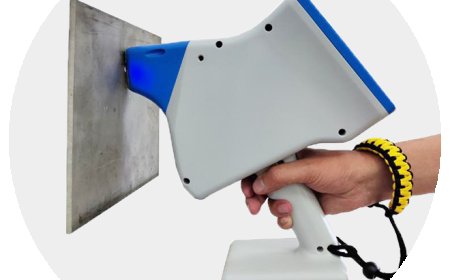

























Portable LIBS Spectrometer LIS-02, Carbon detection spectrometer
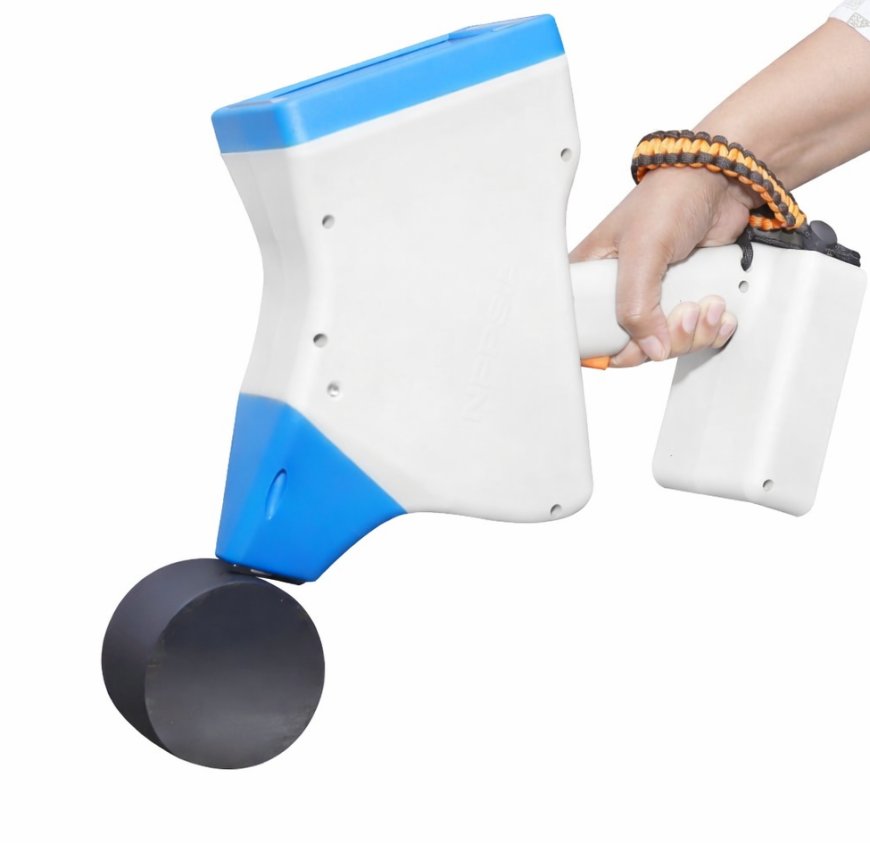
Portable LIBS Spectrometer LIS-02 deducts the carbon without use of argon gas in one second. It is Fast, precise metal analyzer.

Portable LIBS Spectrometer for Marine and Shipbuilding Applications
A ship's hull plate sits in saltwater for decades, and the alloy underneath determines whether it corrodes gracefully or fails early. Shipbuilders and marine surveyors work with steel and alloy specifications chosen specifically to resist that environment, which makes material verification a genuine safety concern, not just a paperwork formality. A portable LIBS spectrometer gives marine inspectors a way to confirm that chemistry directly at the yard or on board, without pulling samples for lab analysis.
This article looks at how LIBS testing applies to shipbuilding and marine inspection work, where corrosion-resistant alloy verification matters most, and where the method fits alongside established maritime inspection practices.
Why Material Verification Matters So Much in Marine Environments
Seawater is an aggressive environment, and the steel grades used in hull construction, ballast tanks, and offshore structures are selected specifically for their corrosion resistance and strength characteristics. Classification societies set detailed material requirements precisely because a substitution — even one that looks identical on delivery — can lead to accelerated corrosion or structural weakness years into a vessel's service life.
This is why marine classification rules place such emphasis on material traceability, requiring documented verification that the steel, welding consumables, and fittings used in construction match their certified specification.
Where Portable LIBS Fits Into Shipbuilding and Marine Work
Incoming Plate and Structural Steel Verification
Before hull plate or structural steel enters fabrication, confirming its grade against the mill certificate catches supplier errors before the material is cut, formed, and welded into the hull structure.
Weld Procedure Qualification Support
Verifying base metal chemistry supports correct welding procedure selection, particularly for carbon equivalent calculations that influence preheat requirements on thick hull sections.
Corrosion-Resistant Alloy Confirmation
Ballast tanks, piping systems, and fittings exposed to seawater often specify stainless or duplex stainless grades. Confirming chromium, molybdenum, and nickel content helps verify these components match their intended corrosion-resistant specification rather than a standard grade substitute.
In-Service Survey and Repair Verification
During drydocking or repair work, verifying replacement plate or fitting material supports classification society survey requirements and protects against using incorrect material during repairs.
Why Carbon Content Still Matters in Marine Steel
Shipbuilding steel grades, much like structural steel on land, are differentiated significantly by carbon content, which affects both strength and weldability. Getting this wrong on thick hull sections, where weld quality is critical to structural integrity, creates real risk.
Handheld XRF, sometimes used for quick checks in shipyards, cannot reliably detect carbon, leaving a gap for exactly the element that often matters most for weld planning. The Portable LIBS Spectrometer LIS-02 closes this gap by measuring carbon directly in ambient air, without requiring gas purging, and delivering results in about one second — practical for a yard environment where material moves quickly through fabrication.
A Practical Verification Routine for Marine Work
- Confirm which materials require verification based on classification society requirements and the vessel's build specification.
- Prepare the test spot by cleaning through mill scale, primer, or coatings to reach bare metal.
- Take multiple readings, particularly on larger plate sections where composition can show minor variation.
- Compare against the mill certificate and classification requirement for that specific grade.
- Document with photos and readings, supporting the build's material traceability file required by classification societies.
- Route discrepancies through the yard's quality and classification society liaison process rather than making an independent acceptance decision.
Benefits Specific to Shipbuilding and Marine Applications
Catching Errors Before They're Welded Into the Hull
Once plate is cut and welded into a hull section, correction becomes extremely costly. Verification at receiving catches problems while the material is still easy to reject or replace.
Supporting Classification Society Documentation
Vessels built and surveyed under classification society rules require demonstrable material traceability. LIBS readings add a practical verification layer to that documentation trail.
Fitting Into Fast-Paced Yard Schedules
Shipyards move large volumes of steel through fabrication quickly. A one-second field reading fits into that pace without creating a bottleneck at receiving inspection.
Supporting Repair and Survey Work
During drydocking, fast verification of replacement material helps keep repair schedules on track without waiting on external lab turnaround.
Where LIBS Testing Has Limits in Marine Applications
Marine environments and shipbuilding practices bring specific considerations:
- Classification society certification requirements typically still rely on mill certificates and established material traceability documentation as the primary record, with LIBS supporting verification rather than replacing that paperwork.
- Coated and primed steel is common in shipyards, requiring surface preparation before a reliable reading is possible.
- Thick plate sections may show some compositional variation that single-point testing won't fully capture, making multiple readings important.
- Underwater or submerged components obviously can't be tested with LIBS directly; verification needs to happen before installation or during drydock access.
Fitting LIBS Into a Shipyard Quality Program
Shipyards operating under classification society oversight can incorporate LIBS verification as a defined checkpoint within existing quality procedures:
- Identify which plate, fittings, and components require individual verification versus certificate-only acceptance
- Integrate LIBS records into the vessel's material traceability file required for classification
- Train quality inspectors on test locations appropriate for different hull and structural components
- Coordinate with classification society surveyors on how field verification supports their documentation requirements
Frequently Asked Questions
Can a portable LIBS spectrometer verify shipbuilding steel grades accurately?
Yes, for confirming that delivered plate or structural steel matches its mill certificate, supporting the broader material traceability required under classification society rules.
Why does carbon content matter for hull steel specifically?
Carbon content affects both strength and weldability, including preheat requirements for welding thick hull sections, making it an important property to verify beyond heavier alloying elements.
Does LIBS testing replace classification society material certification?
No. It supports verification within an existing traceability program but doesn't replace documented mill certificates and classification society requirements.
Can LIBS verify corrosion-resistant alloys used in ballast tanks and piping?
Yes, it can confirm chromium, molybdenum, and nickel content relevant to stainless and duplex stainless grades used in these corrosion-prone applications.
Is LIBS testing practical during drydock repair work?
Yes, its fast reading time suits the tight schedules typical of drydocking, allowing verification of replacement material without significant delay.
Final Thought
A wrong alloy in a ship's hull or ballast system is a mistake that the sea will eventually expose, often far from any shipyard that could have caught it earlier. A portable LIBS spectrometer gives shipbuilders and marine inspectors a fast, practical way to confirm material matches specification while it's still on the receiving dock, protecting the vessel long before it ever touches water.
What's Your Reaction?