
































Phoenix AZ Real Estate Guide: Comparing Urban, Suburban, and Master-Planned Communities
Explore the differences between urban, suburban, and master-planned communities in Phoenix. Learn which neighborhood type best fits your lifestyle, budget, and home buying goals.


Phoenix is one of the most diverse housing markets in the Southwest, offering buyers a wide range of lifestyle options. Whether you prefer the energy of an urban neighborhood, the comfort of a suburban setting, or the organized design of a master-planned community, Phoenix provides opportunities for nearly every type of home buyer. Understanding the differences between these living environments is essential because the neighborhood you choose can influence your daily routine, long-term satisfaction, property maintenance responsibilities, and overall housing costs.
For buyers exploring Homes for Sale in Phoenix AZ, comparing urban, suburban, and master-planned communities can help narrow the search and make the home buying process more focused. While property features and pricing matter, the surrounding environment often plays an equally important role in determining whether a home is the right fit.
Understanding the Phoenix Housing Landscape
Phoenix has experienced significant growth over the years, leading to the development of many distinct residential areas. Some neighborhoods were established decades ago and continue to attract buyers seeking character and convenience. Others were built more recently to accommodate population growth and changing lifestyle preferences.
As a result, buyers can choose from urban districts close to the city center, suburban communities designed around residential living, and large master-planned developments that combine housing, recreation, shopping, and community amenities within a single area.
Each option offers advantages and trade-offs. The right choice depends on your budget, lifestyle, work location, family needs, and long-term goals.
What Defines an Urban Community
Urban communities are generally located closer to central business districts, employment centers, cultural attractions, entertainment venues, and transportation corridors. These neighborhoods often attract buyers who value convenience and accessibility.
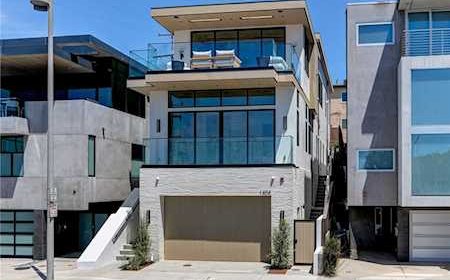
In Phoenix, urban living can include condominiums, townhomes, apartments, historic homes, renovated properties, and newer mixed-use developments. Residents often enjoy shorter commutes and easier access to restaurants, shopping, nightlife, museums, sporting events, and other city amenities.
One of the main advantages of urban living is the ability to remain connected to a wide range of services and activities. Buyers who prefer an active lifestyle often appreciate having many destinations within a relatively short distance.
Urban neighborhoods can also provide unique architectural styles and established community character that may not be found in newer developments.
Benefits of Urban Living in Phoenix
Urban communities offer several advantages for certain buyers. Convenience is often one of the biggest benefits. Living closer to employment centers can reduce commute times and make daily travel more efficient.
Urban areas also tend to provide greater access to cultural experiences, dining options, entertainment venues, and community events. Residents may enjoy having a variety of activities available without needing to travel long distances.
Another benefit is the diversity of housing options. Buyers can often choose between historic properties, renovated homes, condominiums, and modern developments depending on their preferences and budget.
For professionals, young couples, and buyers who prioritize accessibility, urban living can provide a practical and engaging lifestyle.
Challenges of Urban Living
While urban communities offer many advantages, buyers should also consider potential challenges. Property prices in desirable central locations can sometimes be higher than comparable homes farther from the city center.
Lot sizes may be smaller, parking can be more limited, and some neighborhoods may experience higher traffic levels. Buyers who prefer quiet surroundings and larger outdoor spaces may find urban environments less appealing.
Maintenance responsibilities can also vary depending on the property type. Condominiums and townhomes may include association fees that cover certain services but add to monthly expenses.
Understanding these factors can help buyers determine whether urban living aligns with their long-term priorities.
What Defines a Suburban Community
Suburban communities are typically located outside the most densely developed areas of the city. These neighborhoods are designed primarily for residential living and often attract buyers seeking additional space and a quieter environment.
Suburban neighborhoods throughout Phoenix offer a wide range of single-family homes, community parks, schools, shopping centers, and recreational facilities. Many buyers appreciate the balance between residential comfort and access to city services.
One of the defining characteristics of suburban living is the emphasis on space. Buyers can often find larger homes, bigger yards, and more separation between properties compared to urban areas.
This environment can be particularly attractive to families, remote workers, and buyers who prioritize privacy and outdoor space.
Benefits of Suburban Living
Suburban communities often provide a more relaxed atmosphere compared to urban neighborhoods. Streets may experience less traffic, and residential areas are frequently designed around long-term family living.
Buyers may have access to larger floor plans, additional storage space, larger lots, and expanded outdoor living areas. Many suburban communities also offer parks, walking paths, sports facilities, and local services that support everyday needs.
For households seeking a balance between convenience and residential comfort, suburban living can provide an attractive middle ground.
Many buyers searching for Homes for Sale in Phoenix AZ are drawn to suburban communities because they offer flexibility in terms of property size and lifestyle options.
Challenges of Suburban Living
Although suburban communities offer many advantages, buyers should also evaluate potential trade-offs. Commute times can sometimes be longer depending on work locations and transportation routes.
Access to certain entertainment venues, cultural attractions, and employment centers may require additional travel compared to urban neighborhoods.
Property maintenance can also increase with larger homes and larger lots. Landscaping, exterior upkeep, and general maintenance responsibilities may require more time and financial resources.
These considerations do not necessarily make suburban living less desirable, but they should be included in the decision-making process.
Understanding Master-Planned Communities
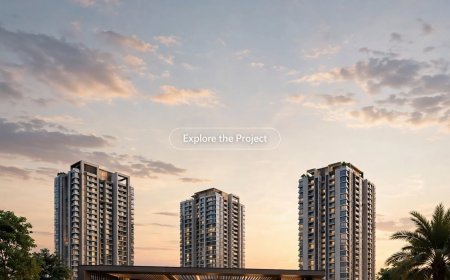
Master-planned communities represent a unique category within the Phoenix housing market. These developments are intentionally designed to create a complete residential experience by combining homes, parks, recreational facilities, shopping areas, schools, and community amenities within a single planned environment.
Unlike many traditional neighborhoods that evolved over time, master-planned communities are built according to a coordinated vision. Developers often focus on creating attractive public spaces, organized street layouts, and consistent architectural standards.
Many master-planned communities continue to attract buyers seeking convenience, amenities, and a strong sense of community.
Benefits of Master-Planned Communities
One of the biggest advantages of master-planned communities is the availability of amenities. Residents may have access to community pools, fitness centers, walking trails, parks, sports facilities, playgrounds, and gathering spaces.
These communities are often designed to encourage outdoor activity and neighborhood interaction. Many residents appreciate having recreational opportunities close to home.
Master-planned developments also tend to offer newer housing inventory with modern floor plans, updated features, and energy-efficient construction.
For buyers seeking a highly organized living environment, master-planned communities can provide a combination of convenience and predictability that is difficult to find elsewhere.
Challenges of Master-Planned Communities
Despite their popularity, master-planned communities may not be ideal for every buyer. Homeowners association fees are often a significant consideration because they help maintain community amenities and common areas.
Residents may also be subject to architectural guidelines, landscaping requirements, and other community regulations. While these rules help preserve the appearance of the neighborhood, some buyers may prefer greater flexibility.
Property prices within desirable master-planned communities can sometimes reflect the value of available amenities and services. Buyers should evaluate whether those benefits align with their lifestyle and priorities.
Comparing Costs Across Community Types
Housing costs vary widely depending on location, property type, neighborhood demand, and available amenities. Urban communities may command higher prices due to their proximity to employment centers and city attractions.
Suburban areas often provide opportunities for buyers seeking larger homes or larger lots within a similar budget. Master-planned communities may include additional costs associated with community amenities and association fees.
When comparing Homes for Sale in Phoenix AZ, buyers should calculate total ownership costs rather than focusing solely on the purchase price. Property taxes, insurance, utilities, maintenance, transportation expenses, and HOA fees can all affect affordability.
Choosing Based on Lifestyle Priorities
The best community type depends on how you want to live. Buyers who value convenience, entertainment, and accessibility may prefer urban neighborhoods. Those seeking additional space and a quieter environment may find suburban communities more appealing.
Master-planned communities can be attractive for buyers who prioritize organized amenities, recreational opportunities, and a structured neighborhood environment.
There is no universally correct choice. The goal is to identify which environment supports your daily routine, future plans, and financial goals.
Evaluating Long-Term Suitability
A home purchase should not only satisfy current needs but also support future plans. Consider how your lifestyle may evolve over the coming years.
Work arrangements, household size, recreational interests, and commuting requirements can all change. A neighborhood that works well today should ideally continue meeting your needs as circumstances evolve.
When evaluating urban, suburban, and master-planned communities, think about long-term practicality rather than focusing solely on immediate preferences.
Finding the Right Phoenix Community for Your Needs
The Phoenix real estate market offers remarkable variety, giving buyers the opportunity to choose a living environment that matches their priorities. Urban neighborhoods provide convenience and city access. Suburban communities offer space and residential comfort. Master-planned developments combine modern housing with extensive amenities and organized community design.
For buyers exploring Homes for Sale in Phoenix AZ, understanding these distinctions can simplify the search process and help narrow the available options. Instead of evaluating every property in the same way, focus on the type of community that best aligns with your lifestyle, budget, and future goals.
By comparing urban, suburban, and master-planned communities carefully, buyers can make more informed decisions and find a home that provides both immediate satisfaction and long-term value. The right neighborhood is not simply where you live. It is the foundation of your daily experience and one of the most important factors in a successful homeownership journey.
What's Your Reaction?