
































Mounjaro In Islamabad: Understanding Weight Plateaus After Initial Progress
Understand weight plateaus after initial progress with Mounjaro Injection in Islamabad, including possible causes, monitoring, lifestyle factors, and treatment review.

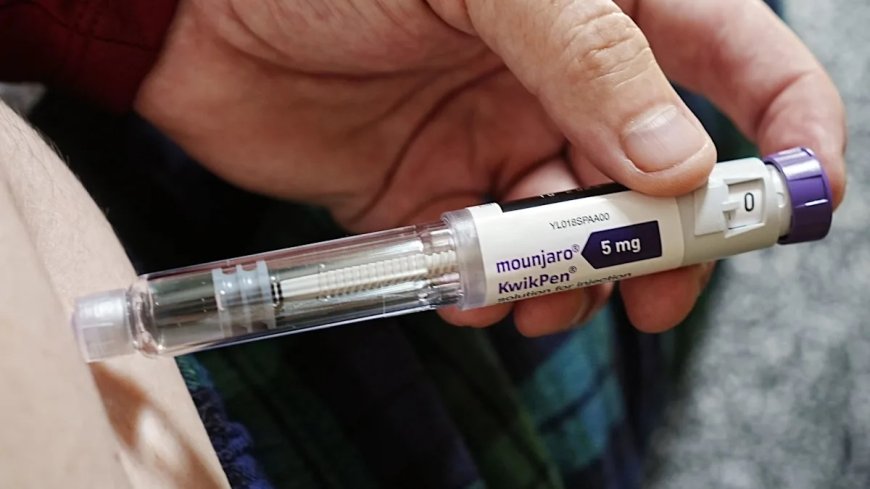
Seeing the number on the weighing scale go down can feel incredibly motivating. But after several weeks or months of progress, many people reach a point where their weight seems to stop changing. This is commonly described as a weight plateau, and it can happen even when someone is following their treatment plan carefully.
For people considering Mounjaro Injection in Islamabad, understanding this stage can help set more realistic expectations. A plateau does not automatically mean that Mounjaro has stopped working or that something has gone wrong. Weight management is a changing process, and the body can respond differently as treatment continues.
What Is a Weight Plateau?
A weight plateau generally means that body weight remains relatively stable for a period after an earlier period of weight loss. The exact length of a plateau can vary, so a few days of similar readings should not immediately be considered a true plateau.
Daily weight naturally fluctuates. Water retention, salt intake, meals, bowel movements, physical activity, and other factors can cause the scale to move up or down even when body-fat levels have not changed significantly.
A more meaningful plateau is usually identified by looking at the longer-term trend rather than comparing today's weight with yesterday's.
Why Can Weight Loss Slow After Initial Progress?
The body does not necessarily continue losing weight at the same rate throughout treatment. As weight decreases, energy requirements can change, while eating patterns and physical activity may also change over time.
In the SURMOUNT-1 trial, participants receiving tirzepatide experienced substantial weight reduction over 72 weeks, with the study reporting that participants reached a weight plateau with the 5 mg dose and near-plateaus with the 10 mg and 15 mg doses.
A slower rate of weight loss can therefore be part of the longer treatment journey rather than proof of treatment failure.
How Mounjaro May Influence Appetite During Treatment
Tirzepatide acts on GIP and GLP-1 receptors and can influence appetite and food intake. In clinical research, tirzepatide has produced substantial weight reduction when used alongside lifestyle intervention in appropriate patients.
However, appetite changes do not necessarily remain identical throughout treatment. Someone may initially notice a significant reduction in hunger or portion sizes and later find that their appetite feels somewhat different.
Individual responses vary, which is why treatment should be reviewed according to the person's actual progress rather than another patient's experience.
Mounjaro Injection in Islamabad: What Should Be Reviewed During a Plateau?
If someone reaches a prolonged plateau while receiving Mounjaro Injection in Islamabad, the next step should not automatically be increasing the dose or making other changes independently.
A healthcare professional may review several aspects of the person's treatment and lifestyle:
- Weight trend: Looking at several weeks or months instead of isolated scale readings.
- Appetite changes: Assessing hunger, cravings, portion sizes, and eating patterns.
- Dietary intake: Considering overall food quality, portions, protein, fiber, and calorie intake.
- Physical activity: Reviewing daily movement and exercise habits.
- Treatment adherence: Checking whether doses are being taken according to the prescribed schedule.
- Tolerability: Discussing gastrointestinal or other symptoms that may affect eating and daily routines.
- Medical factors: Considering other medications, health conditions, and relevant clinical measurements.
This broader review can help distinguish a normal slowdown from a situation that deserves further assessment.
A Plateau Does Not Necessarily Mean Treatment Has Failed
One of the most common misconceptions about weight-management medication is that the scale should continuously decrease from week to week. Real-world weight change is usually more complicated than a straight downward line.
A person can experience several weeks of little change and later see additional progress. Another person may reach a relatively stable weight and maintain it for a period.
Clinical research also demonstrates that substantial weight reduction can occur over a longer treatment period rather than only during the earliest weeks. In the three-year SURMOUNT-1 analysis involving participants with obesity and prediabetes, mean weight reductions remained substantial at 176 weeks among those receiving tirzepatide.
The important point is that individual results cannot be predicted simply from another person's timeline.
Could Eating Habits Contribute to a Plateau?
Medication can support appetite and weight management, but everyday eating habits remain relevant. As appetite changes, some people may gradually return to larger portions, more frequent snacking, or higher-calorie foods without realizing how much their overall intake has changed.
Small routine changes can accumulate over time. For Pakistani patients, this may involve foods such as parathas, naan, biryani, fried snacks, sweetened tea, desserts, or restaurant meals depending on individual eating patterns.
This does not mean these foods must automatically be eliminated. Instead, a healthcare professional or qualified nutrition professional can help create an eating pattern that fits the person's health needs, preferences, and treatment goals.
Does Exercise Matter During a Weight Plateau?
Physical activity is another part of a broader weight-management strategy. Someone who becomes less active because of a busy office routine, travel, fatigue, or lifestyle changes may notice a difference in their overall energy balance.
Consistency is generally more useful than extreme workouts. Walking, resistance training, and other suitable forms of activity can be incorporated according to a person's fitness level and medical circumstances.
Exercise should not be viewed simply as a way to force the scale downward. Maintaining muscle, improving fitness, supporting daily function, and developing sustainable habits are also important aspects of long-term health.
Should the Mounjaro Dose Be Increased?
A weight plateau can make people wonder whether they should move to a higher dose. However, dose changes should never be based solely on frustration with the weighing scale.
Tirzepatide treatment involves dose escalation according to prescribed schedules, and clinical trials have used structured dose-escalation periods rather than frequent self-directed changes.
A clinician may consider treatment response, tolerability, medical history, the reason for treatment, and other relevant factors before deciding whether a dose adjustment is appropriate.
Patients should not increase, decrease, skip, or stop their medication without professional guidance.
When Should a Plateau Be Discussed With a Doctor?
A plateau becomes particularly worth discussing when it persists despite consistent treatment and lifestyle habits or when it occurs alongside other changes.
The goal of a consultation is not simply to make the scale move faster. It is to understand why progress has changed and whether the current treatment strategy remains appropriate.
Unexpected weight changes, persistent gastrointestinal symptoms, significant abdominal pain, dehydration, or other concerning symptoms should also be medically assessed rather than attributed automatically to a normal plateau.
Setting Realistic Expectations for Long-Term Progress
Weight management works better when progress is viewed over months rather than judged by individual weigh-ins. A person's starting weight, health status, eating habits, physical activity, treatment response, and other factors can all influence the journey.
It is also important to separate weight loss from healthy weight management. Maintaining a lower weight after initial progress may itself represent meaningful progress, particularly when other health goals are being addressed.
For someone exploring Mounjaro Injection in Islamabad, having realistic expectations can make the treatment experience more manageable and reduce the temptation to make unsupervised changes.
Professional Monitoring Can Make a Difference
A weight plateau should be treated as information rather than an immediate reason for concern. Reviewing the longer-term pattern with a qualified healthcare professional can help determine whether the plateau reflects normal adaptation, lifestyle changes, treatment-related factors, or something else that needs attention.
For patients researching Mounjaro Injection in Islamabad, Dynamic Clinic PK provides professional care supported by clinical expertise, board-certified surgeons, and advanced techniques across its medical and aesthetic services, with treatment planning tailored to individual patient needs.
What's Your Reaction?