
































How Does Marine Fenders Maintenance Support Safe LNG Bunkering Operations?
The link between fender maintenance and bunkering safety is often underestimated. Well-maintained fenders ensure consistent energy absorption and vessel alignment, reducing stress on mooring lines and transfer equipment.
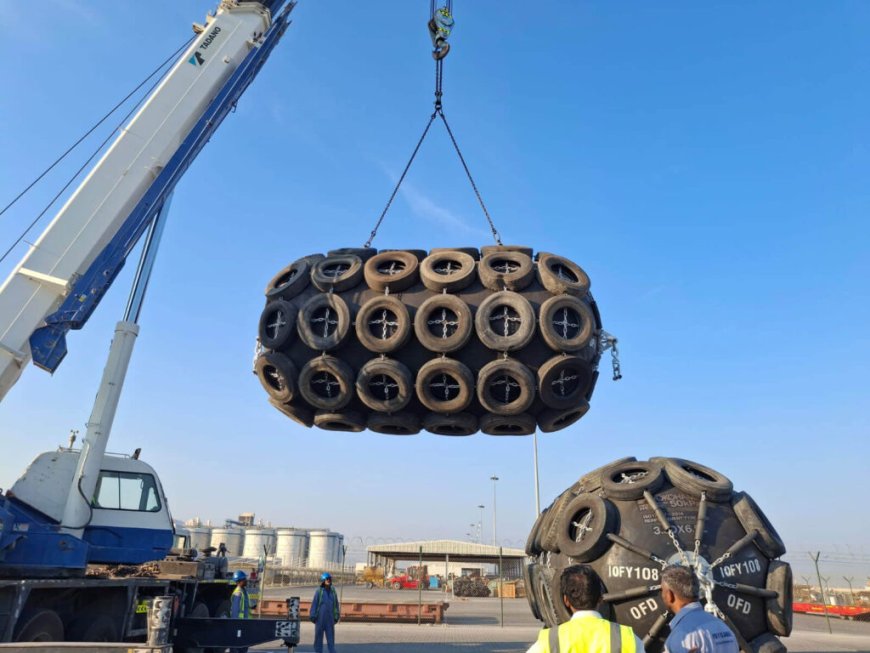
Maritime operations depend on precise coordination, safety measures, and reliable infrastructure. As global shipping moves toward cleaner fuels, LNG bunkering has become an essential process in modern ports. At the same time, safe berthing and mooring remain critical to prevent damage and operational disruption. Marine fenders maintenance plays a vital role in ensuring that vessels are properly protected during docking, particularly when sensitive activities such as fuel transfer are involved. Together, these systems contribute to safe, efficient, and compliant port operations.
Importance of Marine Fender Systems in Port Safety
Marine fenders act as a protective barrier between vessels and port structures. During berthing, vessels generate kinetic energy that must be absorbed to prevent damage to hulls, quays, and jetties. Properly functioning fenders reduce impact forces and maintain vessel stability alongside the berth.
Over time, fender systems are exposed to harsh marine environments, including saltwater, UV radiation, and repeated mechanical stress. Without regular inspection and upkeep, fenders may lose elasticity, suffer surface damage, or fail to perform as designed. Routine maintenance ensures that these systems remain effective and capable of handling operational loads.
Well-maintained fenders also improve operational confidence. Port operators and vessel crews can rely on consistent performance, reducing risks during complex maneuvers and minimizing downtime.
Role of Marine Fenders Maintenance in Operational Reliability
Regular maintenance involves inspection, cleaning, repair, and replacement of worn components. These activities help identify early signs of deterioration, such as cracks, corrosion, or misalignment. Addressing issues promptly prevents costly failures and extends the service life of fender systems.
Maintenance programs are often scheduled based on usage intensity and environmental conditions. High-traffic berths require more frequent inspections to ensure continued safety. Proper documentation of maintenance activities supports compliance with safety standards and operational audits.
By maintaining fender systems proactively, ports reduce unexpected interruptions and maintain smooth vessel traffic flow. This reliability is especially important when handling specialized operations that demand precise positioning and minimal movement.
Understanding LNG Bunkering Operations
LNG bunkering involves the transfer of liquefied natural gas from a supply source to a vessel. This process requires strict safety controls due to the cryogenic nature of LNG and the potential risks associated with fuel transfer. Stable vessel positioning and controlled movement are essential to ensure safe and efficient bunkering.
During bunkering, vessels must remain securely alongside the berth for extended periods. Any excessive movement can disrupt connections and increase safety risks. Fender systems help absorb minor vessel motions caused by wind, tides, or passing traffic, supporting stable conditions throughout the operation.
Ports implementing LNG bunkering must adhere to stringent regulations and safety protocols. These include monitoring systems, emergency response plans, and equipment readiness. Fender performance is an integral part of this safety framework.
Integration of Fender Maintenance With LNG Bunkering Safety
The link between fender maintenance and bunkering safety is often underestimated. Well-maintained fenders ensure consistent energy absorption and vessel alignment, reducing stress on mooring lines and transfer equipment. This stability is crucial during LNG transfer, where precision and control are required.
Regular maintenance also supports risk assessment and planning. Knowing that fender systems are in optimal condition allows operators to conduct bunkering operations with confidence. It reduces the likelihood of unexpected movement that could compromise safety.
Coordination between maintenance teams and bunkering planners enhances operational readiness. This integrated approach ensures that infrastructure supports specialized fuel operations without interruption.
Benefits of Proactive Maintenance Strategies
Proactive maintenance offers long-term advantages. It reduces emergency repairs, lowers lifecycle costs, and improves safety outcomes. Ports benefit from predictable performance and extended asset life.
In the context of LNG bunkering, proactive maintenance supports regulatory compliance and stakeholder confidence. Authorities and operators expect infrastructure to meet high safety standards, and well-maintained systems demonstrate commitment to best practices.
Safe and efficient maritime operations depend on reliable infrastructure and disciplined maintenance practices. Proper care of fender systems ensures vessel protection and operational stability, particularly during specialized activities. By maintaining critical equipment and integrating safety measures, ports can support modern fuel solutions while safeguarding assets, personnel, and the environment.
Additionally, consultancy involvement supports continuous improvement through post-operation reviews and performance analysis. These insights help refine procedures, strengthen safety culture, and enhance future transshipment efficiency while maintaining environmental responsibility and operational consistency across projects.
What's Your Reaction?