


































Service Scheduling Software and Field Service Scheduling Software: Reducing Delays Through Better Planning
plans, while field service scheduling software supports the additional complexities of managing employees who travel between customer locations.

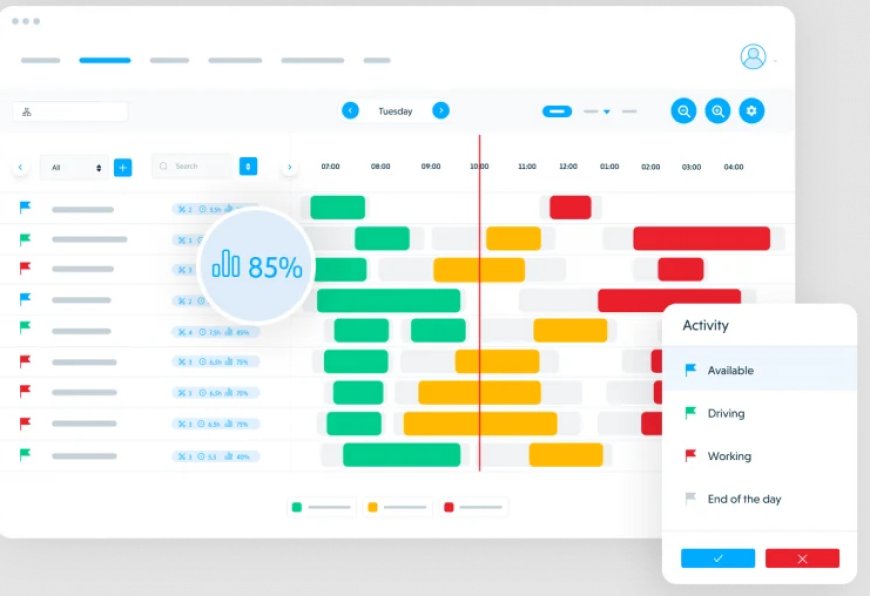
Late appointments rarely happen for just one reason. A technician may encounter heavy traffic, a previous job might take longer than expected, or an urgent assignment may interrupt the original schedule.
Although these situations are common, repeated delays can damage customer confidence and reduce employee productivity.
Service scheduling software helps organizations create more organized appointment plans, while field service scheduling software supports the additional complexities of managing employees who travel between customer locations.
Together, these approaches can help teams manage available working hours more effectively.
What Causes Scheduling Delays?
Understanding the reasons behind delays is the first step toward preventing them.
Some disruptions are unavoidable, but others result from recurring planning weaknesses.
For example, a dispatcher may schedule appointments based only on expected task duration without accounting for travel, preparation, or unpredictable working conditions.
Common Sources of Scheduling Inefficiency
Several factors frequently contribute to missed arrival windows:
- Unrealistic appointment durations
- Excessive travel between locations
- Overlapping technician assignments
- Poor visibility into employee availability
- Last-minute changes without clear communication
- Insufficient time for emergency requests
Reducing these issues requires realistic planning rather than simply increasing daily appointment targets.
Creating Realistic Schedules With Better Information
A dependable schedule reflects what employees can reasonably accomplish.
Service scheduling software can help organize appointments using information about availability, assigned responsibilities, and estimated working time.
However, accurate scheduling still depends on reliable inputs.
Estimating the Full Appointment Duration
Job estimates should consider the entire service process.
Travel, preparation, customer discussions, equipment inspection, task completion, and documentation all require time.
Organizations can review previous appointments to understand how long similar assignments usually take.
This historical perspective can improve future estimates.
How Field Service Scheduling Software Supports Route Planning
Travel creates a unique challenge for field-based workforces.
Two appointments may require similar technical effort but very different amounts of travel time.
Field service scheduling software can support geographic planning by helping dispatchers evaluate appointment locations alongside technician availability.
Grouping Nearby Appointments
Where operationally appropriate, assigning nearby locations to the same technician may reduce unnecessary travel.
However, geographic convenience must be balanced against job urgency, employee qualifications, and customer availability.
The shortest route is not always the most suitable schedule.
Preventing Overloaded Routes
Assigning too many appointments can create a chain of delays.
A single unexpected issue may affect every remaining customer.
Workloads should include reasonable allowances for travel and operational uncertainty.
Managing Emergency Appointments Without Losing Control
Urgent requests can disrupt even carefully organized schedules.
Organizations should establish clear procedures for determining which assignments require immediate attention.
Reserving Flexible Capacity
Depending on service demand, managers may choose to maintain available capacity for unexpected work.
Service scheduling software can help dispatchers review existing assignments when urgent tasks arise.
Rather than moving appointments without considering their consequences, teams can evaluate the wider schedule.
Communicating Revised Arrival Windows
Customers appreciate being informed when an appointment changes.
Prompt communication creates realistic expectations and reduces uncertainty.
Field service scheduling software can support coordination, but employees still need clear procedures for communicating schedule adjustments.
Evaluating Whether Scheduling Is Improving
Organizations should measure the results of scheduling changes rather than relying on assumptions.
Relevant indicators include appointment punctuality, technician utilization, travel time, and the frequency of rescheduled visits.
Reviewing Delays by Category
Managers can classify delays according to causes such as travel, missing information, extended tasks, or unavailable resources.
This helps distinguish between planning problems and unavoidable disruptions.
Regular reviews encourage informed adjustments.
Conclusion
Reducing service delays requires realistic expectations, reliable information, and consistent communication. Service scheduling software helps establish more organized appointment workflows, while field service scheduling software addresses the complexities of technician movement and changing workloads.
Neither effective planning nor successful execution happens automatically. Organizations must review appointment durations, understand recurring disruptions, and involve employees in scheduling improvements. With a disciplined approach, field teams can reduce avoidable delays, protect customer confidence, and maintain more manageable working days.
What's Your Reaction?