



































Fatty Liver Treatment in Dubai: Improve Liver Function

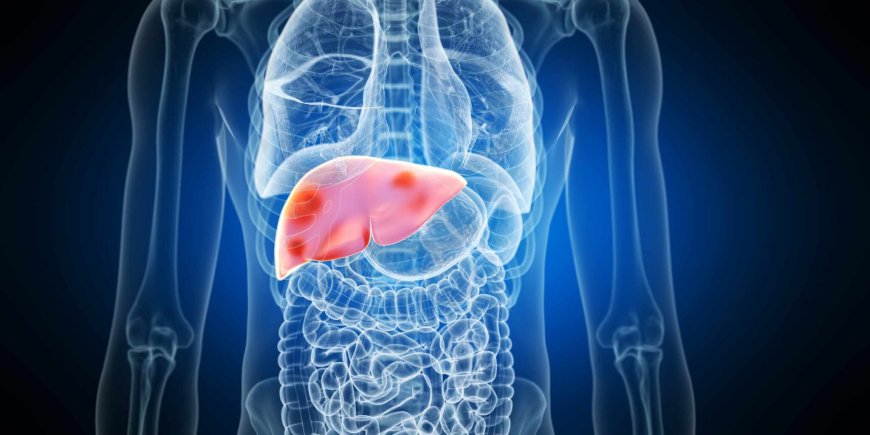
The liver is one of the most important organs in the body. It helps remove toxins, supports digestion, stores nutrients, and plays a major role in maintaining overall health. When excess fat starts building up in the liver, it can lead to a condition known as fatty liver disease.
Today, many people are looking for fatty liver treatment in dubai because this condition has become increasingly common due to unhealthy eating habits, obesity, diabetes, and lack of physical activity. The good news is that fatty liver disease can often be managed and even reversed when diagnosed early and treated properly.
This article explains fatty liver disease, its causes, symptoms, diagnosis, treatment options, and ways to improve liver function for long-term health.
What Is Fatty Liver Disease?
Fatty liver disease occurs when too much fat accumulates inside liver cells. A small amount of fat in the liver is normal, but when fat makes up more than 5% to 10% of the liver's weight, it becomes a medical concern.
There are two main types of fatty liver disease:
Non-Alcoholic Fatty Liver Disease (NAFLD)
This type occurs in people who drink little or no alcohol. It is commonly linked to obesity, insulin resistance, diabetes, and metabolic syndrome.
Alcohol-Related Fatty Liver Disease
This type develops due to excessive alcohol consumption. Long-term alcohol use can damage liver cells and increase fat accumulation.
If left untreated, both forms can progress to more serious liver conditions, including inflammation, scarring, and liver failure.
Why Is Fatty Liver Disease Becoming More Common?
Modern lifestyles have contributed significantly to the rise in fatty liver disease. Many people consume processed foods, sugary drinks, and high-calorie meals while engaging in limited physical activity.
Several factors increase the risk of developing fatty liver disease:
- Obesity
- Type 2 diabetes
- High cholesterol
- High triglycerides
- Insulin resistance
- High blood pressure
- Sedentary lifestyle
- Excessive alcohol intake
- Poor dietary habits
- Rapid weight gain
Because many of these risk factors are common, fatty liver disease affects people of different ages and backgrounds.
Common Symptoms of Fatty Liver Disease
One challenge with fatty liver disease is that it often causes no symptoms during its early stages. Many people discover the condition only during routine health screenings.
When symptoms do occur, they may include:
- Constant tiredness
- Weakness
- Discomfort in the upper right side of the abdomen
- Unexplained weight changes
- Loss of appetite
- Difficulty concentrating
- General feeling of illness
As liver damage progresses, more serious symptoms may develop, including:
- Swelling in the abdomen
- Swelling in the legs
- Yellowing of the skin and eyes
- Easy bruising
- Severe fatigue
Seeking medical attention early can help prevent complications.
How Fatty Liver Disease Affects Liver Function
The liver performs hundreds of essential functions every day. When fat builds up excessively, liver cells can become inflamed and damaged.
Over time, untreated fatty liver disease may lead to:
Liver Inflammation
Inflammation causes irritation and damage to healthy liver tissue.
Fibrosis
Repeated inflammation can lead to scar tissue formation.
Cirrhosis
Severe scarring can permanently affect liver function and increase the risk of liver failure.
Liver Cancer
Advanced liver disease may increase the likelihood of developing liver cancer.
Protecting liver function through proper treatment and lifestyle changes is important for preventing these complications.
How Is Fatty Liver Disease Diagnosed?
Doctors use several methods to diagnose fatty liver disease and evaluate liver health.
Medical History
The doctor reviews symptoms, lifestyle habits, alcohol consumption, and medical conditions.
Physical Examination
A physical examination may reveal signs of liver enlargement or related health issues.
Blood Tests
Blood tests help assess liver enzyme levels and identify signs of liver inflammation.
Ultrasound
Ultrasound is commonly used to detect excess fat in the liver.
FibroScan
FibroScan is a non-invasive test that measures liver stiffness and helps evaluate scarring.
CT Scan or MRI
Advanced imaging may provide a detailed view of liver health.
Liver Biopsy
In some cases, a liver biopsy may be recommended to determine the extent of liver damage.
Early diagnosis allows treatment to begin before serious complications develop.
Goals of Fatty Liver Treatment
The primary goals of treatment are:
- Reduce liver fat
- Improve liver function
- Prevent inflammation
- Avoid liver scarring
- Manage underlying conditions
- Improve overall health
Treatment plans are usually tailored to the patient's specific condition and risk factors.
Lifestyle Changes for Fatty Liver Treatment
Lifestyle modification remains one of the most effective ways to treat fatty liver disease.
Achieve a Healthy Weight
Weight loss can significantly reduce liver fat and inflammation.
Even losing 5% to 10% of body weight may improve liver health.
Safe and gradual weight loss is generally recommended because rapid weight loss can sometimes worsen liver problems.
Follow a Healthy Diet
A balanced diet supports liver recovery and overall wellness.
Recommended foods include:
- Fresh fruits
- Vegetables
- Whole grains
- Lean proteins
- Fish
- Nuts
- Seeds
- Healthy fats
Foods to limit include:
- Sugary beverages
- Processed foods
- Fried foods
- Refined carbohydrates
- Excessive saturated fats
A nutritious eating plan can help reduce liver fat and improve metabolic health.
Increase Physical Activity
Regular exercise helps burn excess fat and improves insulin sensitivity.
Activities may include:
- Walking
- Cycling
- Swimming
- Jogging
- Strength training
Experts often recommend at least 150 minutes of moderate exercise each week.
Limit Alcohol Consumption
Alcohol can worsen liver damage. Individuals with fatty liver disease are often advised to avoid or significantly reduce alcohol intake.
Medical Management of Fatty Liver Disease
In addition to lifestyle changes, medical management may be necessary for some patients.
Managing Diabetes
Good blood sugar control helps reduce liver stress and improve overall health.
Treating High Cholesterol
Managing cholesterol and triglyceride levels may help slow disease progression.
Controlling Blood Pressure
Maintaining healthy blood pressure supports both liver and cardiovascular health.
Monitoring Liver Health
Regular follow-up appointments allow doctors to track improvements and adjust treatment plans when needed.
Can Fatty Liver Disease Be Reversed?
In many cases, yes.
Early-stage fatty liver disease can often be reversed through:
- Weight management
- Healthy eating
- Regular exercise
- Controlling diabetes
- Reducing alcohol intake
The earlier treatment begins, the better the chances of restoring normal liver function.
However, advanced liver scarring may not be fully reversible, making early intervention especially important.
Foods That Support Liver Health
Certain foods may help improve liver function when included as part of a balanced diet.
Leafy Green Vegetables
Spinach, kale, and other leafy greens contain nutrients that support liver health.
Fatty Fish
Fish rich in omega-3 fatty acids may help reduce inflammation.
Whole Grains
Whole grains provide fiber and help maintain stable blood sugar levels.
Nuts
Nuts contain healthy fats and antioxidants that may support liver function.
Fruits
Many fruits provide vitamins, minerals, and antioxidants that contribute to overall health.
Coffee
Research suggests that moderate coffee consumption may have protective effects on the liver in some individuals.
Foods to Avoid
Certain foods can contribute to fat accumulation and liver damage.
These include:
- Sugary snacks
- Soft drinks
- White bread
- Pastries
- Deep-fried foods
- Fast food
- Processed meats
- Excess alcohol
Reducing these foods can support treatment outcomes.
Importance of Regular Health Screenings
Many people with fatty liver disease feel completely healthy and experience no symptoms.
Routine health screenings can help identify liver problems before complications develop.
People with the following conditions should consider regular liver evaluations:
- Obesity
- Diabetes
- High cholesterol
- Metabolic syndrome
- Family history of liver disease
Early detection often leads to better treatment results.
Benefits of Early Fatty Liver Treatment
Starting treatment early offers several advantages:
Better Liver Function
Reducing liver fat helps the organ perform its functions more effectively.
Reduced Risk of Complications
Early intervention lowers the risk of fibrosis, cirrhosis, and liver failure.
Improved Energy Levels
Many patients notice increased energy and reduced fatigue after making lifestyle changes.
Better Metabolic Health
Treatment often improves blood sugar levels, cholesterol, and overall cardiovascular health.
Enhanced Quality of Life
Improved liver health contributes to better overall well-being and long-term health outcomes.
Tips for Maintaining a Healthy Liver
Protecting liver health requires ongoing attention and healthy habits.
Consider these simple tips:
- Maintain a healthy body weight
- Eat balanced meals
- Exercise regularly
- Stay hydrated
- Avoid excessive alcohol
- Manage diabetes effectively
- Monitor cholesterol levels
- Get regular health checkups
- Take medications only as directed
- Avoid smoking
These habits can help support liver function throughout life.
When to See a Liver Specialist
Medical evaluation is important if you experience:
- Persistent fatigue
- Unexplained abdominal discomfort
- Elevated liver enzymes
- Unexplained weight changes
- Risk factors such as obesity or diabetes
A specialist can perform appropriate testing and recommend a personalized treatment plan.
Conclusion
Fatty liver disease is a common but potentially serious condition that can affect overall health and liver function. Fortunately, early diagnosis and proper management can often stop disease progression and even reverse liver fat accumulation. Individuals seeking fatty liver treatment in dubai can benefit from comprehensive evaluation, lifestyle guidance, ongoing monitoring, and personalized treatment strategies designed to improve liver health.
For expert assessment and individualized liver care, consulting experienced specialists such as Dr. Neil Philip Galletly can help patients understand their condition and take effective steps toward better liver function and long-term wellness.
What's Your Reaction?