






























Famous Bird Sanctuary in Rajasthan and Other Birding Spots
Discover a famous bird sanctuary in Rajasthan and other birding destinations, with tips on wildlife, seasons, responsible tourism and trip planning.
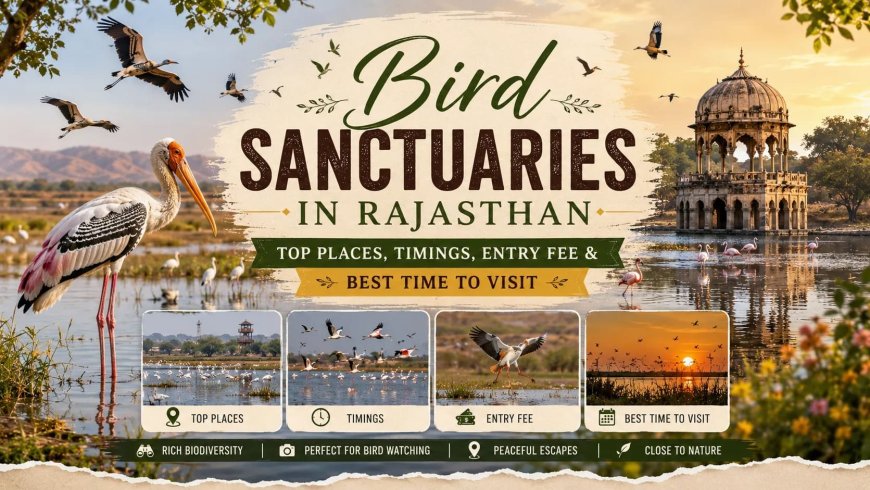
Rajasthan is often associated with magnificent palaces, historic forts, colorful cities and the Thar Desert. Yet beyond its cultural attractions, the state has a fascinating natural side. Wetlands, grasslands, lakes and desert habitats provide shelter and food for many resident and migratory birds.
For travelers who enjoy wildlife and photography, a visit to a famous bird sanctuary in Rajasthan can offer a peaceful change from busy tourist attractions. Bird watching can also be combined easily with cultural sightseeing, making it suitable for families, photographers, nature lovers and international visitors.
Rajasthan's Different Bird Habitats
The birdlife of Rajasthan is closely connected with the variety of landscapes found across the state.
Bharatpur is known for its wetland ecosystem, while Tal Chhapar provides open grassland habitat. Around Bikaner and Jaisalmer, dry landscapes support species suited to desert and semi-arid conditions.
The Rajasthan Tourism Department lists several wildlife areas where birds form an important part of the local ecosystem, including Keoladeo Ghana National Park, Tal Chhapar, Sorsan, Gajner and Band Baretha.
This variety gives travelers the opportunity to experience different types of bird watching within one state.
Keoladeo: The Famous Bird Sanctuary in Rajasthan
Keoladeo National Park in Bharatpur is perhaps the most prominent birding destination in Rajasthan. Formerly called Bharatpur Bird Sanctuary, the park is recognized as a UNESCO World Heritage Site and is an important breeding and feeding ground for birds.
The park covers a relatively compact area but supports a large range of bird species. Rajasthan Tourism records more than 370 bird species, including resident and migratory birds.
During the winter season, the wetlands become particularly attractive to bird watchers. Ducks, geese, waders, cranes, raptors and flycatchers are among the groups associated with the park.
Visitors can explore the park by walking, cycling or using cycle-rickshaws. Local guides can make the visit more informative by helping identify birds and explaining the ecosystem.
Tal Chhapar: Grasslands Full of Wildlife
Tal Chhapar Sanctuary offers a completely different bird-watching environment.
Located in Churu district, the sanctuary is known for its open grasslands and blackbuck population. Its landscape resembles a natural savannah, with scattered trees across wide stretches of grassland.
Bird watchers may find species such as eastern imperial eagle, black ibis, demoiselle cranes, skylarks and ring doves.
The open terrain is particularly interesting for visitors who enjoy watching birds of prey. Rajasthan Tourism also describes Tal Chhapar as a bird-watching destination where wildlife and grassland scenery come together.
Sorsan Grasslands Near Kota
Sorsan Wildlife Sanctuary is another destination worth considering for travelers interested in less crowded wildlife experiences.
Located in Baran district, Sorsan is known for its grasslands, scrub vegetation and water bodies. Rajasthan Tourism describes the area as a bird sanctuary supporting a variety of birds and animals.
Sorsan can be included in a broader itinerary covering Kota and nearby destinations. It is particularly suitable for travelers who want to explore Rajasthan beyond the major tourist circuit.
Gajner Near Bikaner
Gajner Wildlife Sanctuary is located around 32 kilometers from Bikaner, according to Rajasthan Tourism. The sanctuary includes green areas and water habitats surrounded by the dry landscape of western Rajasthan.
Visitors can find wildlife such as nilgai, chinkara and blackbuck, along with birds including imperial sand grouse and migratory species.
The location also makes Gajner a convenient nature stop for people exploring Bikaner. A trip can combine wildlife observation with visits to the city's historic attractions.
Desert National Park and Desert Birds
Bird watching in Rajasthan is not limited to wetlands and grasslands. The desert ecosystem also supports important wildlife.
Desert National Park stretches across the Jaisalmer and Barmer region and represents the unique environment of the Thar Desert. The protected area includes sand dunes, rocky areas and other desert habitats. Rajasthan's official wildlife information identifies the Great Indian Bustard among its important wildlife.
For travelers visiting Jaisalmer, exploring the desert ecosystem can provide a different perspective on Rajasthan's natural heritage.
Band Baretha in Bharatpur
Band Baretha is another wildlife area in the Bharatpur region. It was historically associated with the rulers of Bharatpur and is now administered by the Forest Department.
The Rajasthan State Biodiversity Board identifies resident and migratory birds among the wildlife of the area.
Its water resources and surrounding habitat make it an interesting option for travelers who want to explore more than the better-known attractions around Bharatpur.
When Should You Plan a Bird-Watching Trip?
Winter is generally an important period for bird watching in Rajasthan, particularly at wetland locations.
Keoladeo attracts migratory waterfowl during winter, and the season is popular among bird watchers and ornithologists.
However, the ideal time can vary depending on the destination and the species you hope to see. Before traveling, it is sensible to confirm current weather conditions, sanctuary opening arrangements and local wildlife regulations.
A Simple Bird-Watching Checklist
A little preparation can make a major difference during a wildlife visit.
Binoculars:
Useful for observing birds that remain at a distance.
Camera:
A camera with a suitable zoom lens can help capture birds without approaching too closely.
Notebook or Bird Guide:
Beginners can record sightings and learn to recognize different species.
Comfortable Footwear:
Some birding locations require walking, so comfortable shoes are useful.
Sun Protection:
Hat, sunglasses and sunscreen can be helpful, particularly in open grassland and desert areas.
Patience:
Bird watching is not about rushing from one location to another. Spending time quietly in a suitable habitat can lead to better observations.
Responsible Bird Watching
Wildlife tourism works best when visitors respect the natural environment.
Do not chase birds for photographs, play loud music, throw objects or disturb nesting areas. Avoid leaving plastic or other waste behind.
Visitors should also follow the instructions of forest officials and local guides. Protected areas exist to conserve habitats and wildlife, so responsible tourism helps protect these places for future generations.
Bird Watching for Families and Beginners
Bird sanctuaries can be excellent destinations for families because they combine outdoor activity with learning.
Children can learn how different birds live in wetlands, grasslands and desert environments. Parents can introduce them to basic bird identification and wildlife photography.
Keoladeo can be particularly accessible because visitors have options to explore its routes by bicycle, on foot or by cycle-rickshaw.
Beginners do not need extensive knowledge of birds before visiting. A local guide, binoculars and a little patience are often enough to make the experience enjoyable.
Creating a Rajasthan Wildlife Itinerary
A bird-watching holiday does not have to be separate from a normal Rajasthan tour.
A Bharatpur itinerary can combine Keoladeo with the city's historical attractions. Rajasthan Tourism highlights Bharatpur Palace, Lohagarh Fort and other heritage sites as places to explore in the region.
A Bikaner trip can include Gajner along with forts and traditional attractions. Similarly, visitors to Jaisalmer can add desert wildlife experiences to their sightseeing plans.
This flexibility makes Rajasthan suitable for travelers who want a combination of culture, history and nature.
Plan Your Rajasthan Nature Experience With Nisha Prime Travels
Choosing the right destinations and arranging transportation can make a bird-watching journey more convenient. Nisha Prime Travels can help travelers plan customized Rajasthan trips based on their interests, schedule and preferred travel experience.
From Bharatpur's wetlands to Tal Chhapar's grasslands and the desert habitats of western Rajasthan, travelers can explore different sides of the state through a thoughtfully designed itinerary.
A customized trip can also combine bird watching with heritage sightseeing, local experiences and comfortable stays.
Conclusion
Rajasthan provides an impressive variety of habitats for bird watching. Keoladeo National Park is the state's best-known birding destination, while Tal Chhapar, Sorsan, Gajner, Band Baretha and Desert National Park offer additional opportunities to explore birdlife in very different environments.
Whether you are an experienced bird watcher or simply want to spend time in nature, exploring a famous bird sanctuary in Rajasthan can add a memorable dimension to your Rajasthan holiday. With suitable planning, bird watching can easily become part of a wider journey covering the state's heritage, landscapes and local culture.
What's Your Reaction?