
































Exterior Painting Services What Homeowners Should Expect
Learn what homeowners should expect from exterior painting, including surface preparation, paint coatings, weather exposure, and final checks.

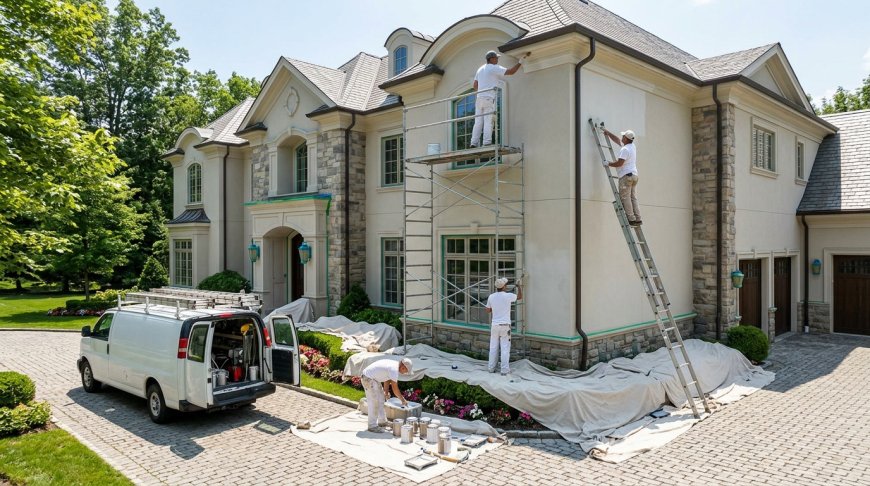
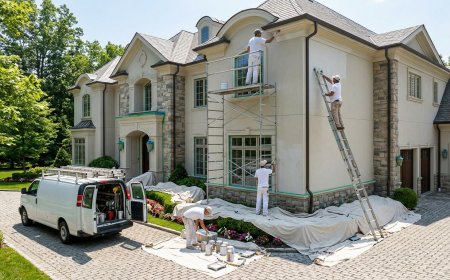
Exterior painting usually involves more than applying a fresh colour to outside walls. The work starts with checking the existing surface, preparing it properly, choosing suitable paint, and applying it with care. Exterior Painting Services can cover these stages from initial preparation through the final inspection.
Homeowners often want to know what will happen before work begins and what affects the finished result. Exterior surfaces face rain, sunlight, dirt, and changing temperatures. Because of this, preparation and coating choices matter. Understanding each stage makes the process easier to follow and helps set realistic expectations.
What Happens Before Exterior Painting Begins
The first stage involves looking closely at the surfaces that need painting. Walls may have dirt, peeling areas, cracks, old coatings, or uneven patches. These conditions need attention before fresh paint is applied. Exterior house painting therefore starts with checking the condition of the existing finish rather than moving straight to the colour application.
Exterior Painting Services may cover several parts of a home, depending on the project. Walls, trim, doors, and other outside surfaces can have different conditions and preparation needs. The areas being painted should be identified clearly before work starts. This gives homeowners a better idea of what the project includes and which surfaces require extra preparation.
How Exterior Surfaces Are Prepared For Painting
Surface preparation has a major effect on the final appearance. Exterior wall painting works better when loose paint, dirt, and other surface problems are dealt with first. Depending on the existing condition, preparation may involve cleaning, smoothing rough areas, or addressing sections where the old coating has started to fail.
Exterior painting services with surface preparation focus on creating a suitable base for new paint. Preparation should not be treated as an afterthought because visible surface problems can remain noticeable after painting. A clean and properly prepared surface gives the new coating a more even appearance and creates a better starting point for the next stage.
Checking Walls Before Fresh Paint Is Applied
A close inspection can reveal problems that are difficult to see from a distance. Peeling paint, rough sections, stains, and small damaged areas may become more noticeable once a new colour is applied. Checking these areas first helps determine how much preparation is needed.
Exterior surface preparation should match the condition of each section. Some walls may need more attention than others. A homeowner may therefore notice different preparation steps across the same property. The purpose remains the same: create a cleaner and more suitable surface before the new coating is added.
Preparing Different Outside Surfaces
Not every exterior surface behaves in the same way. Walls, trim, doors, and other painted areas may have different textures and existing finishes. Preparation needs to account for those differences rather than treating the entire exterior as one identical surface.
This becomes especially relevant during exterior home painting where several parts of the property are included. Areas with older paint may require more work, while surfaces in better condition may need less. Checking each area first keeps the preparation focused and avoids unnecessary work.
What Homeowners Should Know About Paint Coatings
The coating used on an exterior surface needs to suit the conditions it will face. Outside walls are exposed to weather, sunlight, dirt, and changes in temperature. Exterior paint coatings therefore form an important part of the overall process. The surface beneath them still needs proper preparation, but the coating also affects the finished appearance.
Exterior Painting Services for exterior walls may involve different coating requirements depending on the existing surface and project. Homeowners should understand what areas are being coated and what finish is expected. The aim is to create an even result that suits the property's exterior while taking normal outdoor exposure into account.
Why Weather Exposure Matters During Painting
Weather can affect exterior painting work because outside surfaces are exposed throughout the year. Rain, strong sunlight, moisture, and changing temperatures can all affect the working conditions. Exterior painting services for weather exposure therefore require attention to the condition of the surface and the environment during the project.
Timing also matters because paint needs suitable conditions during application and as it settles. If the surface is affected by moisture or other outdoor conditions, the work may need to be planned around them. The exact approach depends on the property and the condition of the areas being painted.
Understanding The Finished Exterior Look
A fresh exterior finish can change how a home looks without altering its structure. Colour, coverage, edges, and surface texture all contribute to the final appearance. Small details can stand out on large exterior walls, so consistent application matters.
Homeowners may also notice differences between surfaces because existing textures and conditions are not always identical. A properly prepared surface gives the coating a more even base. Looking at the whole exterior rather than one small section gives a better sense of the finished appearance.
How Exterior Painting Fits Home Updates
Painting is often considered when the outside of a home needs a visual update. Faded colours, worn surfaces, or an outdated appearance can make the exterior look tired. Exterior painting services for home updates can focus on refreshing the existing appearance while working within the current structure of the property.
The scope of the project still matters. A small update may involve selected exterior areas, while a larger project may cover most visible surfaces. Homeowners should know which sections are included before work starts. This keeps expectations clear and makes the final inspection easier because the completed areas can be checked against the planned work.
Planning A Consistent Exterior Finish
A consistent finish depends on preparation and careful application. Large walls can make uneven coverage easier to notice, while edges and smaller sections need careful attention too. Working across the exterior with a clear plan helps keep the appearance more uniform.
Exterior home painting can also involve several connected surfaces. If only some areas are being painted, the relationship between the new and existing finishes becomes more noticeable. Planning the work around those areas can create a more balanced result and reduce obvious differences between sections.
Checking The Work After Painting
A final inspection gives homeowners an opportunity to review the completed areas. Walls, edges, trim, and other painted sections can be checked from different positions and under normal light. This may reveal small areas that need another look.
The inspection should focus on the agreed scope of work. It is easier to discuss concerns while the project is still active than after everything has been packed away. A careful final check also confirms that the painted areas have been covered consistently and that the exterior looks as expected.
Conclusion
A successful exterior painting project involves several connected stages. The existing surfaces need inspection, preparation must be handled properly, and suitable coatings need to be applied with care. Weather exposure and surface condition also affect how the work is planned. Exterior Painting Services can therefore involve much more preparation than homeowners may expect.
The finished result depends on the condition of the surface as well as the paint itself. Taking time to prepare exterior walls, work carefully across different surfaces, and inspect the completed areas creates a more controlled process. Homeowners who understand these stages can approach an exterior update with clearer expectations.
Frequently Asked Questions
How should an exterior surface be prepared before painting?
The surface should be checked for dirt, loose paint, rough areas, stains, and other visible problems. The preparation required depends on the condition of each section.
Why does exterior weather exposure matter?
Outside surfaces face rain, sunlight, moisture, and changing temperatures. These conditions can affect the working environment and the way exterior coatings are applied.
Does every part of a home's exterior need the same preparation?
No. Different surfaces may have different textures, existing finishes, or levels of wear. Preparation should reflect the condition of each area.
What should homeowners check after painting is finished?
Check the painted walls, edges, trim, and other included surfaces from different positions. Look for uneven coverage or areas that may need additional attention.
Can exterior painting be part of a home update?
Yes. A fresh exterior finish can update the visible appearance of a property. The project may focus on selected areas or cover a larger part of the exterior.
What's Your Reaction?