

































Choosing Equipment for Civil Engineering Testing
Discover how to select the right civil engineering lab equipment in the UAE. From Superpave asphalt testing to compression machines, learn best practices for setup, calibration, and standards compliance.

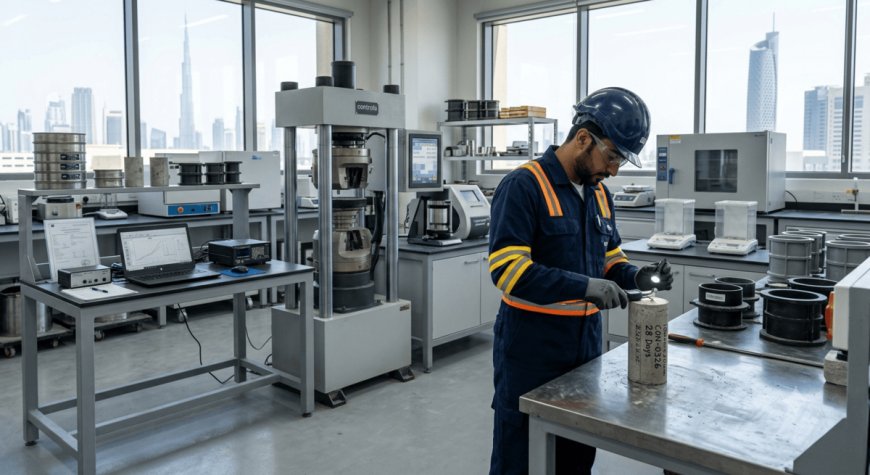
A civil engineering laboratory needs equipment that matches its actual test methods. The choice depends on the materials being examined, sample sizes, expected workload, and applicable standards. When reviewing civil engineering lab equipment UAE, laboratories should look at the complete testing process rather than choosing instruments by category alone.
Concrete, asphalt, soil, and aggregate tests all have different requirements. An instrument that works well for one procedure may not suit another. Sample preparation, measurement range, temperature control, and calibration can all affect the final result.
Understanding Compression Testing
Compression testing shows how a material responds when technicians apply a controlled load. Concrete provides a common example. Engineers use the resulting strength value to assess material performance against specified requirements.
A Compression Machine applies load to a prepared specimen until it reaches the required failure point. The operator records the maximum load and uses the specimen dimensions to determine compressive strength.
The machine's capacity must suit the specimens being tested. Loading rate matters too. So do specimen preparation and curing. Even small variations in these steps can affect the result.
For that reason, the machine should form part of a complete testing setup. Molds, curing facilities, measuring tools, and documented procedures all contribute to consistent results. Regular calibration and equipment checks provide another layer of control.
Asphalt Testing and Pavement Design
Asphalt laboratories examine several properties, including binder characteristics, aggregate properties, air voids, and mixture performance. The specific equipment depends on the test method and the type of mixture under study.
Superpave asphalt testing equipment Dubai may support laboratories working with Superpave mixture-design procedures. These procedures consider aggregate structure, binder selection, and mixture properties when evaluating asphalt performance.
A laboratory may need several instruments rather than one machine. Mixers, compactors, ovens, balances, molds, and measurement devices can each support different stages of the testing process.
Temperature control deserves particular attention in Dubai. Asphalt materials respond strongly to temperature changes. Laboratories therefore need procedures that keep test conditions within the range required by the relevant method.
When comparing Superpave asphalt testing equipment Dubai, review the specifications against the actual procedure. Temperature range, sample capacity, measurement accuracy, control functions, and documentation all deserve attention.
Planning a Practical Laboratory Setup
Equipment selection becomes easier when laboratories map each test to the instruments it requires. Before purchasing civil engineering lab equipment UAE, consider sample volume, testing frequency, available space, utilities, maintenance, and operator training.
The Compression Machine, for example, should have a load range that matches the specimens and tests performed in the laboratory. A machine with unsuitable capacity can restrict the work even when its basic function appears appropriate.
Calibration records should form part of routine laboratory documentation. Operators should also perform the checks specified by the equipment manufacturer and relevant test method before beginning work.
Safety is equally important. High-load machines require appropriate safeguards. Heating equipment requires controlled operating procedures and suitable handling practices. Training should cover both normal operation and the response to equipment problems.
Burgan UAE operates in the laboratory and construction-testing equipment sector. In an independent article, however, the broader principle matters more: laboratories should select instruments according to the test method, technical requirements, and working conditions.
The goal is not to assemble the largest equipment list. It is to create a setup in which each instrument has a clear purpose and supports a reliable testing process.
What's Your Reaction?