



































BMI Calculator: Calculate and Understand Your Body Mass Index
Use a BMI calculator to estimate your body mass index, understand adult BMI categories, learn BMI limitations, and explore healthy weight management guidance.

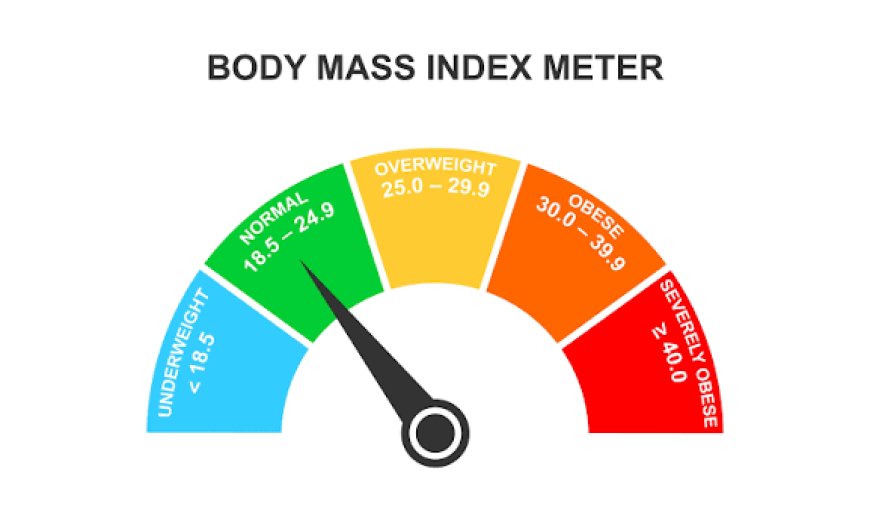
A BMI calculator is a simple tool that estimates body mass index using your height and weight. It can help adults understand their general weight category and provide a starting point for conversations about nutrition, fitness, and weight management.
While BMI is widely used as a screening measure, it does not provide a complete picture of an individual's health. Body composition, muscle mass, waist circumference, lifestyle, and medical history can all provide important additional context.
What Is BMI?
BMI stands for body mass index. It is a numerical value calculated using a person's weight and height.
For adults, BMI is commonly grouped into these categories:
- Underweight: Below 18.5
- Healthy weight: 18.5 to 24.9
- Overweight: 25.0 to 29.9
- Obesity: 30.0 or higher
These categories are used for general screening and should not be considered a diagnosis on their own.
How Does a BMI Calculator Work?
A BMI calculator uses your height and weight to calculate an estimated BMI.
Using kilograms and meters, the standard formula is:
BMI = Weight (kg) ÷ Height (m)²
For example, an adult who weighs 70 kilograms and is 1.75 meters tall would have a BMI of approximately 22.9.
An online calculator makes the process easier by performing the calculation automatically after you enter your measurements.
Why Is BMI Used?
BMI can give healthcare professionals a quick way to identify adults who may benefit from a more detailed evaluation of weight-related health risks.
However, BMI is most useful when considered alongside other health information, such as:
- Blood pressure
- Blood glucose
- Cholesterol
- Waist circumference
- Physical activity
- Nutrition
- Family medical history
- Existing health conditions
Looking at several factors can provide a more complete understanding of overall health.
What Does BMI Not Measure?
BMI does not directly measure body fat or distinguish between muscle, bone, and fat. This means a person with substantial muscle mass may have a higher BMI without having excessive body fat.
BMI also does not show where fat is distributed throughout the body.
For these reasons, a BMI result should be viewed as one screening measurement rather than a complete assessment of health.
Can a BMI Calculator Help With Weight Management?
A BMI calculator can be a useful starting point for understanding your current weight category. However, healthy weight management involves more than reaching a specific BMI number.
A sustainable approach may include:
- Eating balanced, nutrient-rich meals
- Staying physically active
- Maintaining muscle strength
- Getting adequate sleep
- Managing stress
- Monitoring relevant health measurements
- Setting realistic health goals
Individual weight goals should take personal health circumstances into account.
When Should You Talk to a Healthcare Provider?
Consider discussing your BMI with a healthcare professional if you are concerned about your weight, experience unexplained weight changes, or have difficulty managing your weight.
A provider can consider your BMI together with your medical history, lifestyle, body composition, and other health measurements to provide more personalized guidance.
Final Thoughts
A BMI calculator offers a convenient way to estimate body mass index using height and weight. It can be helpful for general screening, but BMI alone cannot determine whether someone is healthy.
For a more complete assessment, consider your BMI alongside other health indicators and personal circumstances. Professional medical guidance can help you understand your results and determine appropriate goals for long-term health and wellness.
What's Your Reaction?