




























Auto Maintenance Services: A Smarter Way to Keep Fleet Vehicles Reliable
A smart fleet maintenance solution that uses fleet predictive maintenance to reduce downtime, optimize performance, and ensure reliable, data-driven vehicle operations.
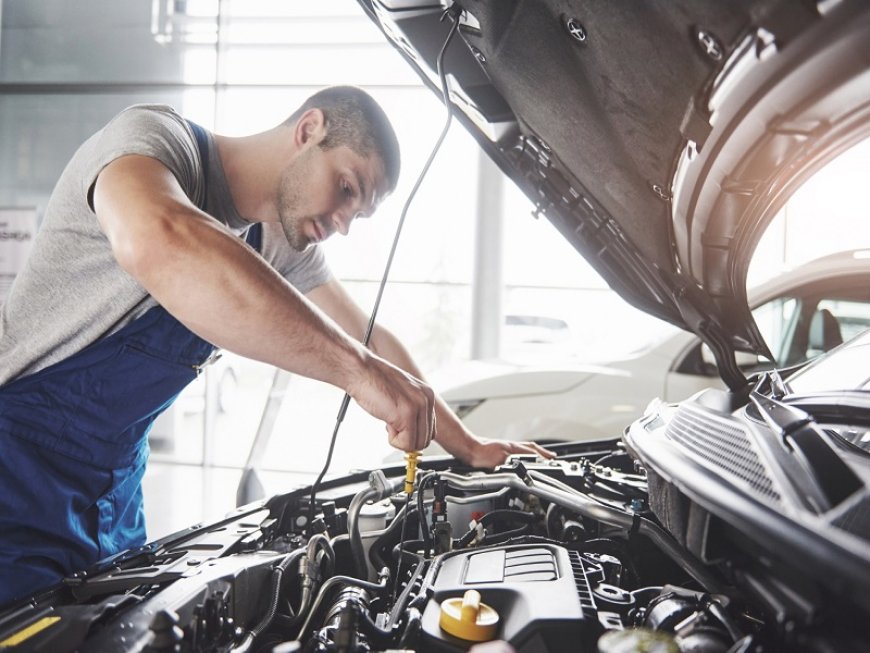
For any business that depends on vehicles, keeping them in good working condition is essential. Delivery companies, logistics providers, service businesses, construction firms, and transportation operators all rely on reliable vehicles to complete daily work. When a vehicle breaks down unexpectedly, it can delay deliveries, affect customer service, increase repair expenses, and reduce overall productivity.
This is why professional auto maintenance services are an important part of successful fleet operations. Regular servicing helps businesses keep vehicles safe, efficient, and ready for the road. Instead of waiting for a major mechanical issue to occur, fleet managers can identify small problems early and take action before they become expensive repairs.
Why Auto Maintenance Services Matter
Auto maintenance services include regular inspections, oil changes, tire checks, brake servicing, fluid replacement, battery testing, engine diagnostics, and filter changes. These tasks may seem routine, but they play a major role in extending vehicle life and preventing avoidable breakdowns.
A well-maintained vehicle usually performs better, uses fuel more efficiently, and requires fewer emergency repairs. For a business fleet, these benefits can make a noticeable difference in operating costs over time.
Regular maintenance also supports driver safety. Worn brakes, low tire pressure, damaged suspension components, and engine issues can all create risks on the road. Scheduled maintenance allows businesses to keep vehicles in safer condition while meeting internal safety standards and operational requirements.
The Importance of a Fleet Maintenance Solution
Managing maintenance for multiple vehicles can become difficult without the right process. Each vehicle may have different mileage, service history, repair needs, and usage patterns. A reliable fleet maintenance solution helps businesses organize this information in one place.
With a structured maintenance approach, fleet managers can schedule service appointments, track completed work, monitor repair costs, and maintain accurate vehicle records. This improves planning and reduces the chance of missed service intervals.
A fleet maintenance solution can also help businesses understand which vehicles require frequent repairs. If one vehicle continues to have engine, brake, or electrical problems, managers can review its repair history and decide whether continued maintenance is cost-effective.
By using maintenance records and service schedules, businesses can make better decisions about vehicle replacement, repair budgets, and fleet performance.
Auto Repair Should Not Be Delayed
Even with regular servicing, vehicles may still need professional auto repair. Parts wear out, road conditions affect vehicle components, and unexpected mechanical issues can occur at any time.
Common auto repair needs include engine problems, brake repairs, transmission issues, cooling system failures, electrical faults, tire damage, and suspension repairs. Ignoring these issues can lead to more serious damage and longer vehicle downtime.
For example, a small coolant leak may seem minor at first, but if it is not repaired, it can cause engine overheating and expensive engine damage. Similarly, worn brake pads can damage brake rotors if they are not replaced on time.
Fast and accurate auto repair helps businesses return vehicles to service sooner. It also prevents minor faults from becoming major mechanical failures.
Fleet Predictive Maintenance Reduces Unexpected Downtime
Traditional maintenance schedules are often based on time or mileage. While this approach is useful, it does not always identify issues that develop between scheduled services. This is where fleet predictive maintenance becomes valuable.
Fleet predictive maintenance uses vehicle data, diagnostic information, service history, and performance trends to identify possible issues before a breakdown happens. Instead of reacting after a vehicle fails, businesses can schedule maintenance when early warning signs appear.
For example, unusual engine temperature readings, declining battery performance, repeated brake warnings, or changes in fuel consumption may indicate that a vehicle needs attention. Predictive maintenance helps managers act early and reduce the risk of costly emergency repairs.
This approach can improve vehicle uptime, reduce maintenance costs, and support better planning. It also allows businesses to schedule repairs during less busy periods instead of dealing with unexpected roadside breakdowns.
How Bayanat Smart Systems Supports Smarter Fleet Maintenance
Bayanat Smart Systems helps businesses improve vehicle maintenance planning through intelligent fleet management solutions. By supporting maintenance tracking, vehicle monitoring, service reminders, and operational reporting, the platform helps fleet managers stay informed about vehicle condition and maintenance requirements.
Businesses can use these insights to plan auto maintenance services more effectively, reduce unnecessary downtime, and improve the performance of their fleet. A data-driven maintenance process gives managers more control over repair decisions, service schedules, and long-term fleet costs.
Conclusion
Reliable auto maintenance services are essential for businesses that depend on vehicles every day. Regular servicing, timely auto repair, and a well-organized fleet maintenance solution can reduce costs, improve safety, and keep vehicles operating efficiently.
Fleet predictive maintenance adds another layer of value by helping businesses identify potential problems before they lead to breakdowns. With a proactive maintenance strategy and the right technology, fleet operators can improve vehicle reliability, protect their investment, and maintain smoother daily operations.
What's Your Reaction?