



























The One-Year Test: A Simple Calculator for Keep, Sell or Replace
Use this simple one-year calculator to decide whether to keep, sell or replace your car, and see where cash for cars calgary fits the result.

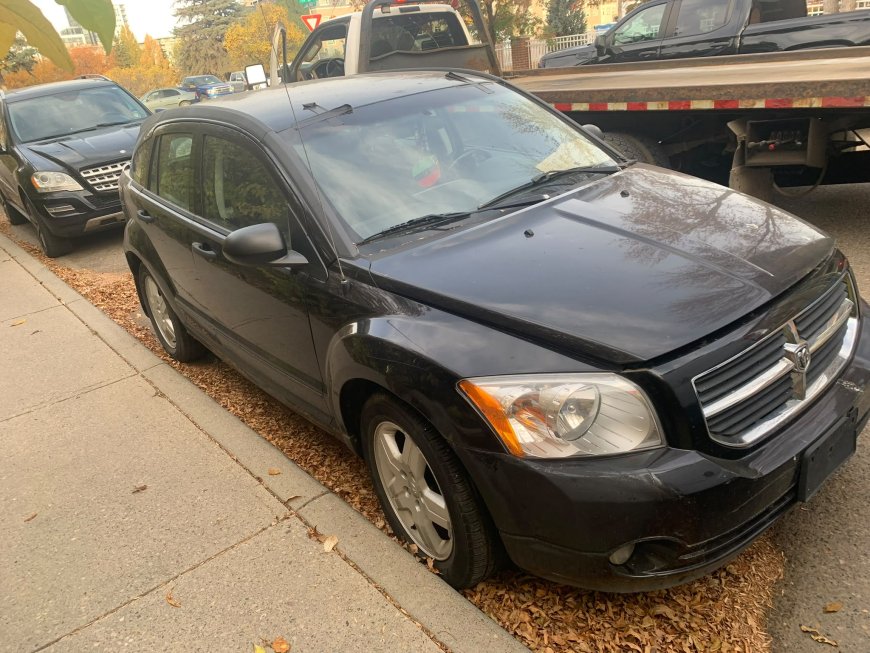
Every owner of an aging car eventually asks the same question: should I keep driving this, fix it, or let it go? Most people answer with a mood. The car broke down yesterday, so it feels like time to sell. The car started fine this morning, so it feels okay to wait. Moods are a poor way to make a decision worth thousands of dollars.
The One-Year Test replaces the mood with a method. You will estimate what the next twelve months will cost under each path, compare the totals, and read a clear verdict. It takes about ten minutes, needs only a pen, and works for almost any older vehicle. If the result points toward selling, you will also see how cash for cars calgary buyers fit into the plan.
Why a One-Year Window?
Twelve months works for three reasons.
• It covers a full cycle. One year includes winter, summer, hail season, insurance renewals, and registration.
• It is short enough to estimate. Predicting five years of repairs is guesswork. One year is manageable.
• It matches how budgets work. Most people think about money in yearly terms.
The Three Paths
You are comparing three possible futures.
Path A: Keep and repair. You hold on to the car and pay to keep it running.
Path B: Sell now, go without. You sell the car and use alternatives such as transit, rides, rentals, or car sharing.
Path C: Sell now, replace. You sell the car and buy or lease a more reliable vehicle.
Let's price each path.
Step 1: Price Path A (Keep and Repair)
Fill in realistic numbers for the next twelve months.
1. Known repairs. The estimates you already have.
2. Likely repairs. Ask a mechanic what else is close to failing, such as tires, brakes, battery, belts, or suspension.
3. Routine maintenance. Oil changes, fluids, filters.
4. Insurance. The full year.
5. Registration. The annual fee.
6. Fuel. A realistic estimate based on how much you drive.
7. Seasonal costs. Winter tires, windshield repair, rust protection.
8. Depreciation. How much value the car is likely to lose over the year.
9. Breakdown costs. A cushion for towing, rentals, or missed work.
Add them up. This is your Path A total.
Step 2: Price Path B (Sell Now, Go Without)
1. Sale value. What a buyer would pay today. Get a real quote.
2. Transportation replacement. Transit passes, rideshares, car-sharing memberships, rentals, or taxis for a year.
3. Savings. Insurance, registration, fuel, maintenance, and parking you will no longer pay.
Your Path B total is the replacement transportation cost, minus the sale value, minus the savings.
Step 3: Price Path C (Sell Now, Replace)
1. Sale value of your current car.
2. Cost of the replacement, such as the price or yearly lease cost.
3. Insurance and registration on the replacement.
4. Fuel and maintenance on the replacement. A newer car usually costs less to maintain.
5. Depreciation on the replacement.
Your Path C total is the replacement cost for the year, minus the sale value of your current car.
Step 4: Compare the Three Totals
Write the three numbers side by side.
|
Path |
What it means |
Your total |
|
A |
Keep and repair |
|
|
B |
Sell and go without |
|
|
C |
Sell and replace |
|
The lowest number is usually the best financial choice, but read the next section before you decide, because money is not the only factor.
Step 5: Adjust for Real Life
Numbers do not capture everything. Ask yourself:
• Reliability. Can I afford to be stranded? Do I depend on this car for work, family, or health appointments?
• Safety. Are there brake, steering, rust, or frame concerns?
• Lifestyle. Does Path B actually work for how I live in Calgary, with its distances and winters?
• Stress. How much does worry about the car cost me?
• Timing. Is the car about to need something big, such as a transmission or a major rust repair?
If Path A is only slightly cheaper than C but the car is unreliable, C probably wins.
The Verdict Guide
If A is much lower than B and C:
Keep the car. Schedule the repairs, keep your receipts, and revisit the test next year.
If A and C are close:
Lean toward C, especially if the car is old or unreliable. A more dependable vehicle often justifies a small cost difference.
If B is the lowest:
You may not need a car. Test your alternative for a month before you sell, if possible.
If A is higher than the car's sale value:
You are spending more to keep the car than it is worth. Selling usually wins.
A Worked Example (Illustrative Numbers Only)
To show how the test works, imagine an older sedan. These figures are made up for demonstration and are not real quotes.
• Path A totals a large yearly figure, because tires, brakes, and a battery are due, and the car loses more value.
• The car would sell for a modest amount today.
• Path C costs somewhat more per year than Path A, but with far fewer repairs and more reliable winter starts.
• Path B costs less than both, but would mean a longer commute by transit.
The owner decides that Path C gives the best balance. Selling the old car now funds part of the replacement and stops the repair bills.
Quick Tips for Better Estimates
• Get written repair estimates. Ask the shop to itemize them.
• Check real sale values. Request quotes instead of guessing.
• Ask a mechanic what is next. "What will fail in the next twelve months?" is a powerful question.
• Be honest about driving habits. Use real kilometres, not what you wish you drove.
• Include the unpleasant numbers. Optimism makes the test useless.
If the Test Says Sell
If Path B or C wins, the next step is straightforward.
1. Gather the basics. Year, make, model, mileage if known, and an honest description.
2. Request quotes. Services such as cash for junk cars buyers take vehicles in any condition.
3. Compare offers. A short comparison can add real money.
4. Confirm pickup, fees, and payment. Get the details in writing.
5. Prepare your documents. Have registration and ID ready, and ask your lender for a payout amount if there is a lien.
6. Keep a record of the sale. A bill of sale documents the deal.
7. Handle plates and insurance as Alberta requires.
Why Cash for Cars Calgary Services Work Well After the Test
A cash for cars calgary buyer suits the decision the test is likely to produce.
• They buy cars as they are. No repairs needed.
• Pickup is usually arranged for you. A car that does not run is not a problem.
• Quotes come quickly. Fast action stops the yearly cost sooner.
• No strangers and no haggling. You avoid listings, messages, and no-shows.
• Guided paperwork. The process is explained step by step.
Selling quickly also protects the car's value, because older cars tend to lose worth as problems pile up.
How to Get the Best Offer
• Compare more than one quote.
• Be honest about condition. Accurate details lead to firm quotes that do not change at pickup.
• Mention good features. New tires or a recent battery can raise the offer.
• Do not strip the car.
• Skip unnecessary repairs.
• Ask about fees.
• Clear out your belongings.
Common Mistakes
Deciding on a mood. One bad day should not decide a financial question.
Ignoring likely repairs. The cost of what has not yet broken is still a cost.
Forgetting depreciation. It belongs in every yearly total.
Choosing Path B without testing it. Try the alternative before you commit.
Waiting for a final breakdown. Emergencies cost more and can lower offers.
Frequently Asked Questions
How accurate is the One-Year Test?
It is a decision aid, not a guarantee. Its accuracy depends on the quality of your estimates, so use real quotes where you can.
What if my car is paid off?
Paid-off cars still cost money. The test works the same way, and the lack of a loan payment simply lowers Path A.
Can I sell a car that does not run?
Often yes. Many cash for cars calgary buyers purchase non-running vehicles and arrange towing.
Should I sell before or after buying a replacement?
It depends on whether you can manage without a car for a few days. Many people line the two up closely.
The Bottom Line
You do not need a feeling to decide whether to keep, sell, or replace an old car. You need three totals and a bit of honesty. The One-Year Test turns a vague worry into a clear comparison, and it usually points toward the decision that saves the most money and stress.
If your answer is to sell, reach out for a quote, describe the car honestly, and compare your offer. A cash for cars calgary service can collect the vehicle, pay you for it, and let you start your next year with a plan instead of a worry.
What's Your Reaction?