































Signs Your Sewer Line Needs Repair (And What to Do About It)
A single slow drain is usually a local clog. When multiple fixtures drain slowly at once, such as the shower, sink, and toilet, the problem is likely in your main sewer line.

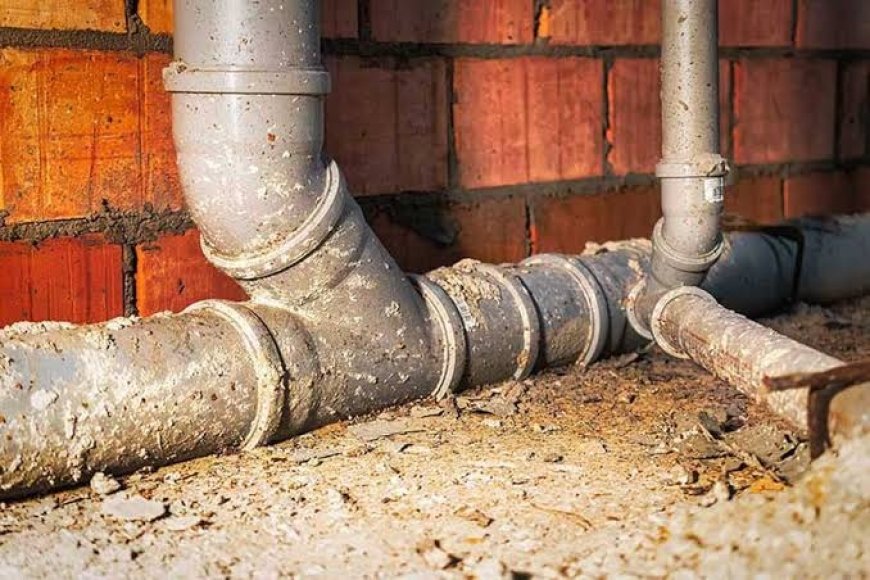
When wastewater stops flowing properly, most homeowners assume it’s a simple clog. In reality, recurring backups and slow drains often point to a damaged sewer line underneath your property. Modern solutions like cipp lining let you repair cracked, corroded, or root-infested pipes without tearing up your lawn, driveway, or landscaping. Knowing the warning signs early can save you thousands of dollars and prevent serious water damage to your home.
Common Signs of a Damaged Sewer Line
Slow Drains Throughout the House
A single slow drain is usually a local clog. When multiple fixtures drain slowly at once, such as the shower, sink, and toilet, the problem is likely in your main sewer line. Blockages, collapsed sections, or buildup deep in the pipe restrict flow and cause repeated slowdowns.
Foul Odors Inside or Outside Your Home
Sewer gas should never be smelled in your home or yard. Persistent rotten-egg or sewage smells often mean a crack or break is letting gases escape. Check around floor drains, basements, and the area above your main line.
Gurgling Sounds and Frequent Backups
Gurgling toilets and drains signal trapped air caused by a blockage. If wastewater backs up into tubs, showers, or floor drains, your sewer line needs immediate professional attention.
Soggy Spots, Sinkholes, or Unusually Green Patches in the Yard
Leaking sewage acts as fertilizer, producing lush, green patches over the pipe’s path. Wet areas, pooling water, or small sinkholes may indicate a broken or collapsed line below.
Mold, Pests, and Foundation Cracks
Constant moisture from a leaking pipe encourages mold growth, attracts rodents and insects, and can weaken your foundation over time. Rats entering through cracked pipes are a particularly strong warning sign.
What Causes Sewer Line Damage?
Tree Root Intrusion
Roots seek out moisture and nutrients, and even tiny pipe joints are enough for them to enter. Over time, they grow into dense masses that block flow and crack the pipe.
Aging and Corroded Pipes
Older homes often have clay, cast iron, or Orangeburg pipes that deteriorate with age. Corrosion, scaling, and joint separation are common in pipes that are 50 years or older.
Ground Shifting and Heavy Loads
Soil movement, freeze-thaw cycles, and heavy surface loads can crush or misalign pipes. Construction nearby can also stress an aging line.
Grease, Debris, and Non-Flushable Items
Grease buildup, “flushable” wipes, and other debris accumulate and harden inside the pipe, creating stubborn blockages that strain the entire system.
How Sewer Lines Are Diagnosed
Camera Inspection
A video camera inspection is the most accurate way to see what’s happening underground. A technician feeds a waterproof camera through the pipe, locating cracks, root intrusion, bellies (sagging sections), and collapses without any digging.
Locating and Mapping the Line
Once the problem is identified, locating equipment pinpoints its depth and position, helping determine the best repair strategy and keeping costs predictable.
Repair Options: Traditional vs. Trenchless
Traditional Excavation
Open-trench digging involves removing soil, landscaping, and sometimes concrete to expose the pipe. It’s effective but disruptive, time-consuming, and expensive when restoration is included.
Trenchless Pipe Lining
Trenchless methods repair or replace pipes through small access points. A resin-saturated liner is inserted into the damaged pipe and cured in place, creating a durable new pipe within the old one. It’s faster, cleaner, and typically less costly overall than digging.
Pipe Bursting
When a pipe is too damaged to line, pipe bursting breaks the old pipe apart while pulling a new one into place, again with minimal surface disruption.
Benefits of Trenchless Repair
- Minimal damage to lawns, driveways, and gardens
- Faster completion, often in a day or two
- Long-lasting results, with many liners lasting 50 years or more
- Seamless, joint-free pipes that resist root intrusion
- Lower restoration costs compared to excavation
Conclusion
Ignoring the warning signs of a failing sewer line almost always leads to bigger repairs, property damage, and health risks. Scheduling a camera inspection at the first sign of trouble lets you choose the right repair method before a small crack becomes a full collapse. If your pipes are beyond lining, professional trenchless sewer line replacement toronto services can install a brand-new pipe with minimal digging, protecting your property while restoring full drainage performance.
Whether you’re dealing with recurring clogs, tree root problems, or an aging pipe system, acting early and choosing a trusted, experienced contractor is the best way to protect your home and your budget.
Frequently Asked Questions (FAQs)
1. How do I know if my sewer line is damaged?
Common signs include multiple slow drains, gurgling noises, sewage odors, frequent backups, and wet or sunken spots in your yard. A camera inspection confirms the exact issue.
2. How long does trenchless sewer repair take?
Most residential trenchless repairs are completed in one to three days, depending on pipe length, condition, and access.
3. Is trenchless sewer repair more expensive than digging?
The upfront cost can be similar, but trenchless repair usually saves money overall by avoiding landscaping, driveway, and hardscape restoration.
4. How long does a pipe liner last?
A properly installed liner can last 50 years or longer, offering a long-term, maintenance-friendly solution.
5. Can tree roots be stopped from returning?
Yes. Lining creates a smooth, sealed pipe with no joints for roots to enter, greatly reducing the chance of regrowth.
6. Does homeowners insurance cover sewer line repair?
Coverage varies by policy. Many standard policies exclude wear and tear, so check with your insurer about sewer line or water backup endorsements.
What's Your Reaction?