






























Proptech Is Transforming How We Find, Finance, and Manage Property
Proptech, short for property technology, describes digital tools and services used across the real estate industry. It includes platforms for searching homes, software for managing buildings, technologies for construction, and systems that help people buy, sell, rent, or invest in property.

What Proptech Means
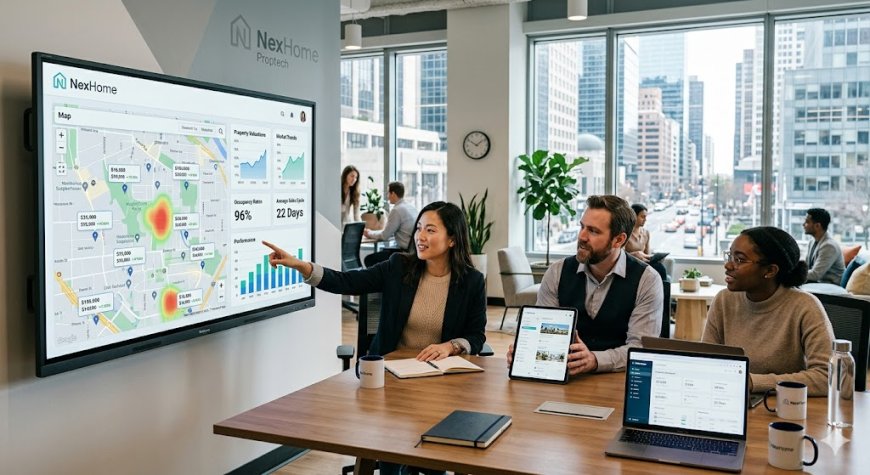
Proptech, short for property technology, describes digital tools and services used across the real estate industry. It includes platforms for searching homes, software for managing buildings, technologies for construction, and systems that help people buy, sell, rent, or invest in property. Some proptech products are designed for consumers, such as virtual tours and online rental applications. Others support professionals, including property managers, developers, brokers, and investors. The field also includes smart-building systems that monitor energy use, security, maintenance, and occupancy. Proptech is not one single technology; it is a broad category connecting real estate with software, data, automation, and connected devices. Its purpose is to make property processes more accessible, efficient, and informed. As digital services become part of everyday life, proptech is changing how people interact with buildings and real estate businesses.
How Proptech Improves Property Searches
Online property platforms have made it easier to explore homes and commercial spaces. Users can filter listings by location, price, size, and features, then compare options without visiting every property in person. High-quality photographs, floor plans, maps, and virtual tours provide additional context before a viewing. Some platforms use data tools to estimate property values or highlight nearby services, helping users prepare questions and narrow their choices. For agents and owners, digital listings can reach a wider audience and simplify communication with prospective buyers or tenants. However, online information may be incomplete, outdated, or presented in ways that emphasize a property’s strengths. A virtual tour cannot always reveal noise, odors, building conditions, or the feel of a neighborhood. Digital search tools are most useful when treated as a starting point, supported by careful verification and, whenever possible, an in-person visit.
Digital Transactions and Property Management
Proptech can simplify many steps involved in renting, buying, and managing property. Digital applications allow prospective tenants to submit documents online, while electronic signatures can reduce paperwork and speed up agreements. Payment platforms help residents pay rent and fees, and property management software can organize maintenance requests, inspections, communications, and records. Owners and managers may use dashboards to track building operations or identify recurring repair issues. These tools can improve convenience, but they do not remove the need for clear policies, human support, and secure handling of personal information. Users should understand what data a service collects, who can access it, and how long it is retained. Digital processes should also offer accessible alternatives for people who lack reliable internet access or feel uncomfortable using online systems. Technology works best when it makes essential services easier without creating new barriers.
Smart Buildings and Sustainability
Smart-building technology connects equipment such as heating systems, lighting, meters, sensors, and security devices. Building operators can use this information to monitor conditions, respond to faults, and adjust energy use. For residents, connected controls may make it easier to manage temperature, lighting, or access. Sensors can also help identify leaks or unusual equipment performance before problems become more serious. These systems may support sustainability goals by reducing wasted energy and improving operational efficiency, but results depend on thoughtful design, reliable maintenance, and appropriate use of data. Installing devices alone does not guarantee lower emissions or better comfort. Building owners should consider compatibility, cybersecurity, privacy, repairability, and the needs of occupants. Effective smart-building projects begin with a clear problem to solve, such as high energy consumption or slow maintenance response, and measure whether the technology delivers a meaningful improvement.
Benefits, Risks, and the Road Ahead
Proptech can save time, expand access to information, and help property businesses coordinate complex work. Data tools may support planning, while digital services can make transactions and building operations more convenient. Yet the sector also faces challenges. Poor-quality data can lead to misleading estimates; automated systems may reproduce bias; and connected devices can create privacy or cybersecurity risks. Rapid innovation can leave users dependent on platforms that are difficult to understand or replace. Responsible adoption requires transparent practices, strong security, accessible design, and human oversight for important decisions. Buyers, renters, and property professionals should compare services carefully and avoid assuming that a digital tool is automatically accurate or fair. Proptech’s long-term value will depend not on novelty alone, but on whether it solves real problems and benefits the people who use and live in properties. Done thoughtfully, it can help create a more responsive and efficient real estate industry.
What's Your Reaction?