





















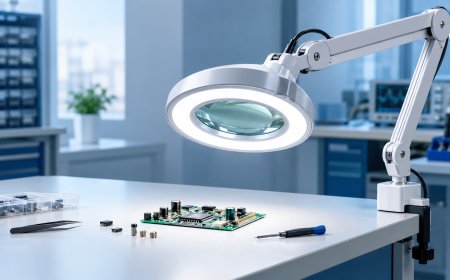






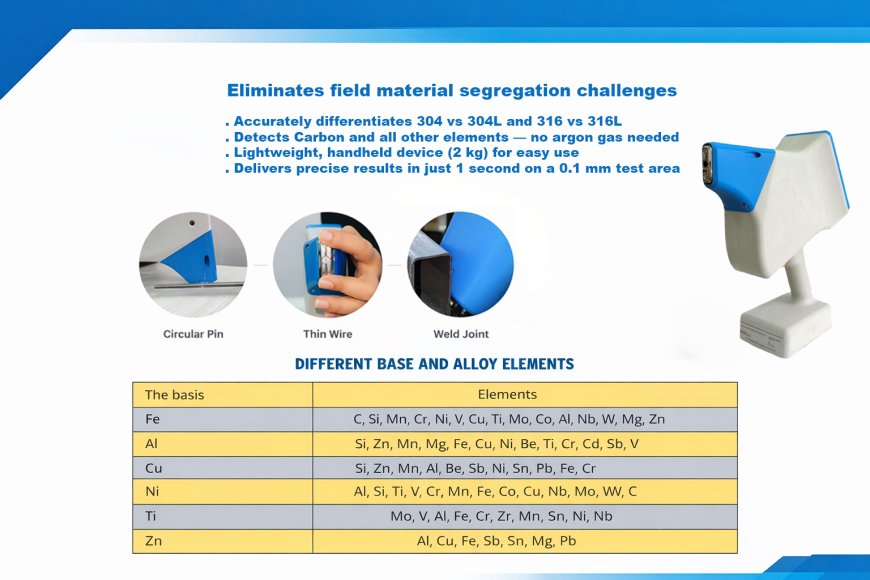
Portable LIBS Spectrometer LIS-02, Carbon detection spectrometer
Portable LIBS Spectrometer LIS-02 deducts the carbon without use of argon gas in one second. It is Fast, precise metal analyzer.

How to Buy a Portable LIBS Spectrometer: A Complete Buyer's Guide
Investing in a Portable LIBS Spectrometer is a significant decision for any metal industry, aerospace, or automotive business — one that affects daily quality control, testing accuracy, and long-term operating costs. With multiple brands, specifications, and price points in the market, knowing exactly what to look for before you buy can save you from costly mistakes and ensure you get equipment that actually fits your operation.
At NPP Strukturnaya Diagnostika Pvt. Ltd. (NPPSD), we've guided metal producers, aerospace manufacturers, and automotive suppliers through this exact buying process for years. This guide walks you through everything you need to evaluate before purchasing a portable LIBS spectrometer, using our LIS-02 as a practical reference point throughout.
Step 1: Define What You're Actually Testing
Before comparing devices, get clear on your specific testing needs. Ask yourself:
- Are you primarily testing steel and need accurate carbon detection?
- Do you need full elemental composition analysis, or just alloy grade sorting?
- Will the device be used indoors on a shop floor, or outdoors in the field?
- How many samples will you test per day or per shift?
A high-volume steel mill sorting scrap has very different needs than an aerospace inspector doing occasional spot-checks on finished components. Matching the device to your actual workflow — not just the spec sheet — is the first and most important step.
Step 2: Understand the Core Specifications That Matter
Not all portable LIBS spectrometers are built the same. When comparing options, pay close attention to these technical factors:
Measurement Speed
Look for a device that delivers results in seconds, not minutes. The LIS-02, for example, completes a full analysis in approximately one second — a meaningful difference when you're testing dozens or hundreds of samples in a shift.
Carbon Detection Capability
This is where many buyers get caught off guard. Some LIBS devices require argon gas purging to get accurate carbon readings, adding cost and complexity to every test. The LIS-02 measures carbon concentration in steels directly in ambient air, with no gas cylinder required — a detail worth confirming with any vendor you're considering.
Spectral Resolution and Range
Higher resolution means more precise differentiation between elements with similar spectral signatures. The LIS-02 offers 0.01 nm resolution across a 177–380 nm range, which supports reliable identification even for closely related alloy compositions.
Built-In Grade Library
A device with a pre-loaded database of steel and alloy grades saves significant time by automatically matching results to known material standards, rather than requiring manual interpretation of raw spectral data.
Durability and Environmental Rating
If the device will be used outside a controlled lab environment, check its rated operating temperature range and physical build quality. Field-ready devices should tolerate temperature swings and rough handling without performance loss.
Step 3: Consider Total Cost of Ownership, Not Just Purchase Price
The upfront price tag is only part of the equation. Before buying, calculate the realistic long-term cost, including:
- Consumables: Does the device require argon gas or other recurring materials for testing?
- Source or component replacement: Some analyzer types (like XRF) require replacing a radioactive source periodically — a cost LIBS devices avoid entirely.
- Battery and accessories: Confirm whether replacement batteries, protective cases, and other accessories are readily available and reasonably priced.
- Software or firmware updates: Ask whether updates are free or come with ongoing subscription costs.
A device with a slightly higher upfront cost but no gas requirements and a longer operational lifespan often works out cheaper over a 3–5 year period than a lower-priced alternative with higher running costs.
Step 4: Check What's Included in the Delivery Package
A complete, ready-to-use package matters more than buyers often realize. Before purchasing, confirm exactly what's included. For reference, the LIS-02 delivery set includes:
- Portable LIBS Spectrometer unit
- Thermoprinter
- Batteries
- Transport case
- Protective cover
- Reference samples
Missing accessories can mean delays and unexpected extra costs after purchase, so get a full itemized list from any vendor before finalizing your decision.
Step 5: Evaluate Vendor Support and Training
A portable LIBS spectrometer is only as effective as the person operating it. Before buying, ask potential vendors:
- Do they offer hands-on or certification-based training?
- Is technical support available locally, or only through overseas channels?
- How quickly can they provide calibration support or troubleshooting if an issue arises?
NPPSD provides certification-based training alongside every LIS-02 purchase, ensuring your technical team understands calibration, result interpretation, and best practices from day one — not just how to power on the device.
Step 6: Request a Live Demonstration
Never buy a portable LIBS spectrometer based on spec sheets alone. Request a live demonstration using materials similar to what you'll actually be testing in your facility. This lets you evaluate:
- Real-world measurement speed and accuracy
- Ease of use for operators with varying experience levels
- Screen readability and interface intuitiveness
- How the device performs on your specific alloy types
A demonstration also gives you the opportunity to ask vendor representatives detailed technical questions before committing to a purchase.
Step 7: Compare Compliance and Safety Requirements
If you're weighing LIBS against alternatives like XRF, factor in regulatory compliance. XRF devices typically require radiation safety licensing due to their radioactive source or X-ray tube, along with periodic regulatory inspections. LIBS analyzers, including the LIS-02, use a laser rather than ionizing radiation, which generally simplifies compliance and reduces administrative overhead.
Common Buying Mistakes to Avoid
- Focusing only on price without evaluating total cost of ownership
- Ignoring carbon detection capability for steel-focused applications
- Skipping vendor training options, leading to inconsistent results across operators
- Not requesting a live demo before purchase
- Overlooking after-sales support availability in your region
Why Businesses Choose NPPSD
NPP Strukturnaya Diagnostika Pvt. Ltd. combines precision-engineered equipment with practical, industry-specific support. Our Portable LIBS Spectrometer LIS-02 is backed by a complete accessory package, responsive technical support, and certification-based training — giving buyers confidence not just in the device, but in the full ownership experience.
Conclusion
Buying a Portable LIBS Spectrometer is about more than comparing specs on a page — it's about matching the right technology to your real-world testing needs, understanding total cost of ownership, and choosing a vendor who supports you well beyond the initial purchase. By evaluating speed, carbon detection capability, durability, and available training, you can make a confident, long-term investment decision.
Ready to explore the right LIBS spectrometer for your operation? Contact NPP Strukturnaya Diagnostika Pvt. Ltd. at sales@nppsd.co.in or call +91 92899 24641 to request a live demonstration of the LIS-02 or to discuss our certification training programs.
FAQs
1. What should I check first before buying a Portable LIBS Spectrometer?
Start by defining your testing needs — whether you require carbon detection, full elemental analysis, or alloy grade sorting — since this determines which device specifications matter most.
2. Does every LIBS spectrometer measure carbon accurately?
No. Some devices require argon gas purging for accurate carbon readings, while others, like the LIS-02, can measure carbon directly in ambient air without additional gas.
3. Is the purchase price the only cost to consider?
No. Total cost of ownership includes consumables, replacement parts, accessories, and any recurring software or calibration costs, which can significantly affect long-term value.
4. Should I request a demonstration before purchasing?
Yes. A live demonstration using your own material samples is the best way to evaluate real-world speed, accuracy, and ease of use before committing to a purchase.
5. Does NPPSD provide training after purchasing the LIS-02?
Yes, NPPSD includes certification-based training with the LIS-02 to ensure operators can use the device correctly and interpret results accurately.
What's Your Reaction?