






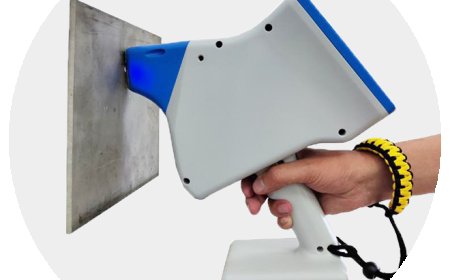






















Portable LIBS Spectrometer LIS-02, Carbon detection spectrometer
Portable LIBS Spectrometer LIS-02 deducts the carbon without use of argon gas in one second. It is Fast, precise metal analyzer.

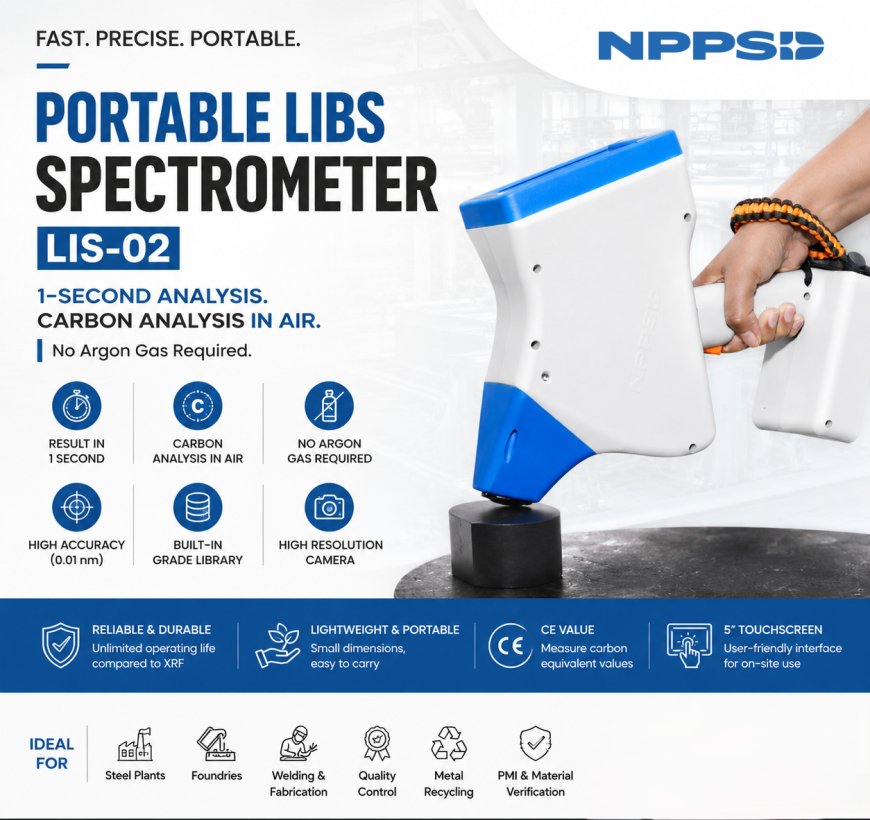
Portable LIBS Spectrometer for Research and Educational
Institutions
Industrial quality control isn't the only setting where fast, reliable elemental analysis matters. Research labs studying material science, engineering programs teaching metallurgy, and technical institutes running hands-on coursework all benefit from a Portable LIBS Spectrometer in ways that look somewhat different from a factory floor, but are just as practical.
NPPSD's LIS-02 has found use in research and educational settings alongside its industrial applications, and it's worth looking at why the same core technology serves both contexts well.
Why Portability Matters in a Research Setting
Traditional bench-mounted spectroscopy equipment ties analysis to a fixed lab station, which works fine for controlled experiments but becomes limiting when researchers need to test samples in the field, across multiple lab locations, or as part of a mobile research project. A Portable LIBS Spectrometer LIS-02 removes that constraint, letting elemental analysis happen wherever the sample or research activity actually is.
This flexibility particularly benefits field-based material science research, archaeological metallurgy studies, or any research context where bringing samples back to a fixed lab isn't always practical or desirable.
Supporting Hands-On Engineering and Metallurgy Education
A Tangible Way to Teach Spectroscopy Concepts
Explaining laser-induced breakdown spectroscopy in a lecture is one thing; letting students run an actual test and see a real-time elemental reading is a different, more effective kind of learning. A Portable LIBS Spectrometer gives engineering and materials science programs a hands-on tool that makes abstract spectroscopy concepts concrete.
Practical Exposure to Industry-Relevant Technology
Students entering materials science, metallurgy, or quality engineering careers benefit from familiarity with the actual tools used in industrial settings. Exposure to a Portable LIBS Spectrometer during coursework gives students a practical head start on technology they're likely to encounter directly in their careers.
Supporting Independent Student Research Projects
Undergraduate and graduate research projects involving material analysis often face equipment access constraints, since bench-mounted lab equipment is typically shared across many competing demands. A dedicated portable device gives a research group more flexible, independent access for ongoing project work.
Research Applications Beyond the Classroom
Material Science Studies
Researchers studying alloy behavior, corrosion resistance, or material degradation benefit from fast, non-destructive elemental verification that doesn't consume valuable research samples, allowing repeated testing on the same specimen over time.
Archaeometallurgy and Historical Material Analysis
Non-destructive testing is particularly valuable when working with historical or archaeological metal artifacts, where damaging or consuming sample material for testing isn't acceptable. A Portable LIBS Spectrometer's microscopic testing footprint makes this kind of analysis possible without compromising valuable specimens.
Environmental and Geological Sampling
Field-based environmental or geological research involving metal content analysis benefits from the same portability advantages that serve industrial field verification — testing happens where the sample is, without requiring transport back to a fixed lab.
What Institutions Should Consider Before Adopting
Grade Library Relevance to Research Needs
Institutions should confirm that a device's built-in alloy grade library, or its ability to work with custom reference standards, actually supports the specific materials their research or coursework involves, since research applications sometimes involve less common material types than typical industrial testing.
Training and Curriculum Integration
Getting real educational value from the device means integrating it thoughtfully into curriculum or research training, rather than treating it as a standalone tool students encounter without context for how the underlying technology works.
Budget and Shared Access Planning
For institutions with multiple research groups or course sections potentially wanting access, planning how the device gets shared, scheduled, and maintained across users prevents the kind of access conflicts that can undermine its value.
A Practical Comparison for Institutional Use
| Use Case | Key Benefit of Portable LIBS Testing |
|---|---|
| Classroom demonstration | Makes spectroscopy concepts tangible and hands-on |
| Student research projects | Provides independent access without competing for shared lab equipment |
| Material science research | Non-destructive testing preserves valuable samples for repeated analysis |
| Archaeometallurgy | Minimal testing footprint suits historical or fragile specimens |
| Field-based research | Removes dependency on returning samples to a fixed lab station |
The Bottom Line
A Portable LIBS Spectrometer serves research and educational institutions in ways that parallel its industrial value — fast, non-destructive, field-capable elemental analysis — while opening up specific benefits for hands-on teaching, independent student research, and specialized applications like archaeometallurgy. The LIS-02 supports these academic and research use cases alongside its role in industrial quality control.
Considering a Portable LIBS Spectrometer for your institution's research or teaching program? Contact NPPSD to discuss your specific research needs and how the LIS-02 could support your program.
FAQs
1. Can a Portable LIBS Spectrometer be used for educational purposes? Yes, it provides a hands-on way to teach spectroscopy concepts and gives engineering or materials science students practical exposure to industry-relevant technology.
2. Is portable LIBS testing suitable for archaeological or historical metal analysis? Yes, its non-destructive, microscopic testing footprint makes it particularly suitable for analyzing valuable or fragile historical specimens without damaging them.
3. How does a Portable LIBS Spectrometer support independent student research? It provides research groups with dedicated, flexible access to elemental analysis without competing for time on shared bench-mounted lab equipment.
4. What should institutions check before adopting the device for research use? Confirm the grade library or reference standard options actually support the specific materials involved in your research or coursework needs.
5. Can a Portable LIBS Spectrometer be used in field-based research? Yes, its portability allows testing to happen directly where samples are located, without requiring transport back to a fixed laboratory setting.
What's Your Reaction?