





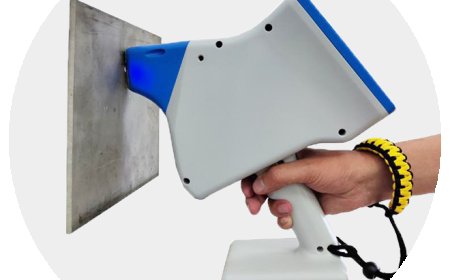

























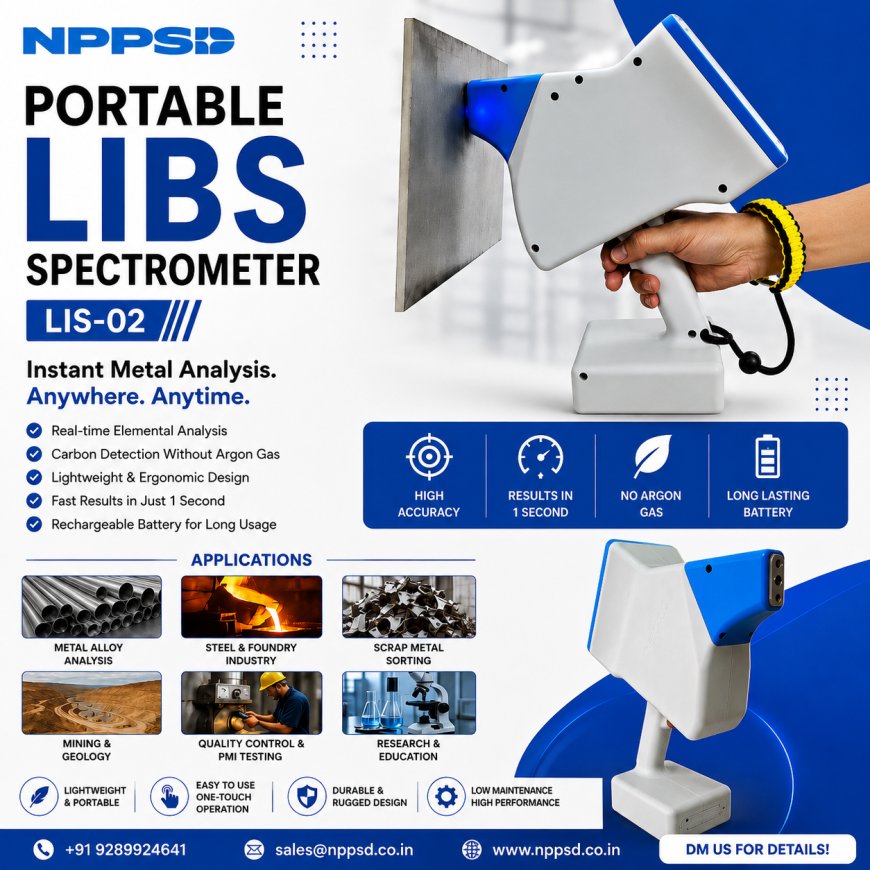
Portable LIBS Spectrometer LIS-02, Carbon detection spectrometer
Portable LIBS Spectrometer LIS-02 deducts the carbon without use of argon gas in one second. It is Fast, precise metal analyzer.

Building the Business Case for a Portable LIBS Spectrometer:
A Guide for Quality Managers
Knowing a Portable LIBS Spectrometer would improve your quality process is one thing. Getting budget approval from leadership is a different challenge entirely. Quality managers often understand the operational value clearly but struggle to translate that into a business case that resonates with finance or executive stakeholders who think primarily in terms of cost, risk, and return.
NPPSD works with quality teams navigating exactly this internal process, and a few practical approaches consistently make the difference between a proposal that gets approved and one that stalls.
Start With the Problem, Not the Product
Leadership rarely gets excited about a new piece of equipment on its own merits. They respond to a clearly articulated problem and a credible solution. Before talking about the Portable LIBS Spectrometer LIS-02 itself, frame the actual operational issue: turnaround delays from lab testing, recurring costs that compound over a year, or risk exposure from material verification gaps in your current process.
This framing shifts the conversation from "should we buy new equipment" to "how do we solve a problem that's already costing us something," which is a much easier case to make.
Quantify the Current Cost, Even Roughly
Executives respond to numbers, even imperfect ones. Pull together your facility's actual testing volume and current lab costs, including shipping and any rush fees. If you don't have exact figures, a reasonable estimate based on recent invoices is far more persuasive than a purely qualitative argument about speed and convenience.
Presenting this as an annual figure, rather than a per-test cost, tends to land more effectively — a monthly cost that seems modest in isolation often looks quite different once summed across a full year.
Translate Speed Into Business Terms
"Faster testing" isn't inherently compelling to a non-technical stakeholder. Translate speed into terms that map to business outcomes: reduced production delays, faster response to supplier disputes, less inventory sitting idle awaiting verification. These are the kinds of outcomes that resonate with operations and finance leadership specifically.
Address Risk Reduction Directly
Beyond cost and speed, a Portable LIBS Spectrometer reduces the risk of a material error reaching production or a customer undetected. This is worth quantifying where possible — even a rough estimate of what a single missed material issue has cost your facility in the past, whether in rework, a customer dispute, or a quality investigation, strengthens the case considerably.
If your facility hasn't experienced a costly material error recently, framing this as risk mitigation rather than a guaranteed cost avoidance is more credible and easier to defend under scrutiny.
Build a Simple Comparison Leadership Can Follow
| Element | Current Process | With a Portable LIBS Spectrometer |
|---|---|---|
| Annual testing cost | Recurring lab fees and shipping | One-time device cost, minimal upkeep |
| Turnaround time | Days per test | About one second per test |
| Risk exposure | Delayed detection of material issues | Immediate verification at point of inspection |
| Operational flexibility | Testing tied to lab schedule | Testing available wherever material is |
A table like this gives non-technical stakeholders a clear, scannable summary without requiring them to read through detailed technical justification first.
Anticipate the Likely Objections
"Can we just keep using the lab?"
Acknowledge that lab testing remains necessary for specific certifications and trace-level analysis, positioning the device as a complement that handles routine testing more efficiently, not a wholesale replacement.
"How do we know operators will use it correctly?"
Point to the device's straightforward operation and built-in grade library, which doesn't require specialist training, addressing concerns about adoption friction before they're raised.
"What if it doesn't perform as expected?"
Reference vendor demonstration options and warranty terms directly, showing that the investment carries reasonable protection rather than being a leap of faith.
Present a Clear Recommendation, Not Just Information
A business case that simply lays out information without a clear recommendation puts the burden of decision-making entirely on leadership. Instead, state your recommendation directly — which use case to start with, expected payback timeframe based on your own numbers, and a suggested next step, such as a live demonstration.
The Bottom Line
Getting a Portable LIBS Spectrometer approved internally depends less on the device's technical merits alone and more on how clearly those merits get translated into cost, risk, and operational terms that resonate with leadership. Framing the problem clearly, quantifying current costs, and anticipating objections consistently turns a good operational idea into an approved budget line.
Need supporting materials for your internal proposal? Contact NPPSD for a technical specification sheet, demonstration options, and pricing information to help build your business case for the LIS-02.
https://www.nppsd.co.in/portable-libs-spectrometer/
FAQs
1. How should I frame a Portable LIBS Spectrometer proposal to leadership? Start with the operational problem it solves — turnaround delays, recurring lab costs, or risk exposure — rather than leading with the device itself.
2. What numbers should I include in a business case for leadership? Current annual testing costs, estimated turnaround delay impact, and a rough payback timeframe based on your facility's actual testing volume.
3. How do I address the objection that we already use a lab? Position the device as a complement to lab testing for routine verification, not a replacement, since certain certifications still require accredited lab work.
4. What objections should I anticipate when proposing this investment? Common concerns include continued lab necessity, operator training requirements, and performance risk, all of which can be addressed directly in your proposal.
5. Should a business case include a specific recommendation? Yes, stating a clear recommendation, expected payback timeframe, and suggested next step makes the proposal easier for leadership to act on.
What's Your Reaction?