






























Liquid Ring Vacuum Pump: Reliable Vacuum Performance for Industrial Applications
Available space, piping arrangements, ventilation, noise requirements, and access for maintenance should be considered before installation.

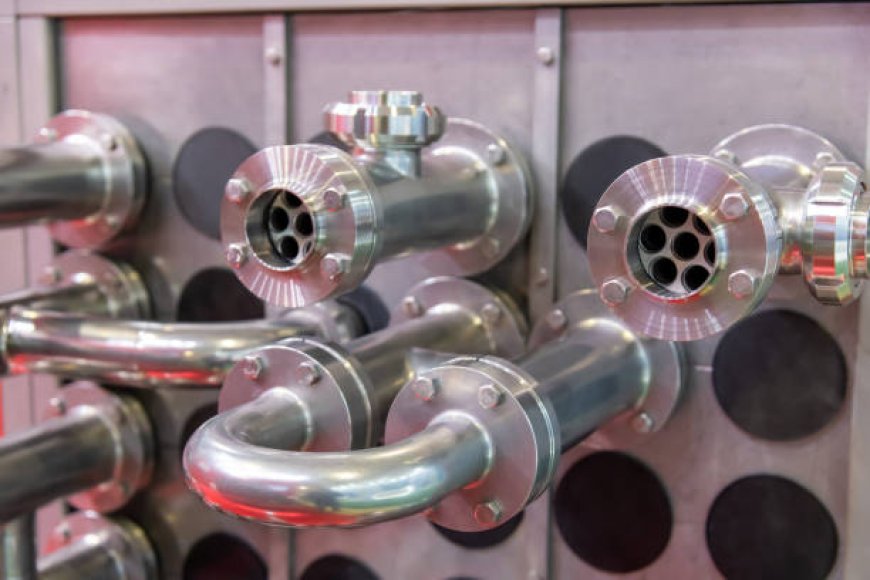
Vacuum technology plays an important role in many industrial processes, including chemical manufacturing, food processing, wastewater treatment, and packaging. These operations often require controlled pressure conditions to maintain product quality, improve process consistency, and support reliable equipment performance. Selecting the right vacuum system is therefore essential for smooth industrial operations.
A liquid ring vacuum pump is designed to create vacuum by using a rotating liquid ring to remove gases from a system. Its operating principle makes it suitable for applications involving wet gases, vapor handling, and certain demanding industrial conditions. When properly selected and maintained, this type of pump can provide dependable vacuum performance across a range of processes.
Understanding how liquid ring vacuum pumps work, their advantages, applications, and maintenance requirements can help businesses choose equipment that meets their operational needs.
What Is a Liquid Ring Vacuum Pump?
A liquid ring vacuum pump is a mechanical device used to remove gases from an enclosed system and create a vacuum. It uses a rotating impeller inside a casing that contains a sealing liquid, commonly water or another compatible fluid.
As the impeller rotates, centrifugal force moves the liquid toward the casing wall, forming a ring. Because the impeller is positioned eccentrically, the spaces between the impeller blades and the liquid ring expand and contract during rotation. This movement allows the pump to draw in gas, compress it, and discharge it from the system.
The sealing liquid also helps manage heat generated during compression. Water is commonly used, but the appropriate liquid depends on the gas composition, process conditions, and equipment manufacturer's recommendations.
How Does a Liquid Ring Vacuum Pump Work?
The operation of a liquid ring vacuum pump involves several stages.
1. Gas Intake
As the impeller rotates, the spaces between its blades expand on the inlet side. This expansion reduces pressure and draws gas or vapor into the pump.
2. Gas Compression
The impeller continues rotating, causing the liquid ring and the blade spaces to interact. As the available space decreases, the trapped gas is compressed.
3. Gas Discharge
When the compressed gas reaches the discharge port, it exits the pump. The process repeats continuously while the pump operates.
4. Sealing Liquid Circulation
The sealing liquid creates the liquid ring, supports gas compression, and absorbs heat. Depending on the system design, the liquid may be recirculated, partially recirculated, or discharged with the gas stream.
This operating principle allows liquid ring vacuum pumps to handle many applications where moisture or condensable vapors are present.

Key Benefits of Liquid Ring Vacuum Pumps
Reliable Operation
Liquid ring vacuum pumps are widely used in industrial environments because their operating principle supports continuous vacuum generation. With suitable installation and maintenance, they can provide dependable performance under the conditions for which they are designed.
Handling Wet Gases and Vapors
Some industrial processes produce gases containing moisture or condensable vapors. Liquid ring vacuum pumps can be suitable for these conditions because the sealing liquid helps manage heat during compression.
However, the pump must be selected according to the gas composition, vapor load, and required operating pressure.
Temperature Management
The sealing liquid absorbs heat generated during compression. This can help control operating temperatures and reduce thermal stress under appropriate conditions.
The temperature and flow of the sealing liquid remain important factors in achieving the required performance.
Durable Construction
Many liquid ring vacuum pumps have relatively few moving parts compared with some alternative vacuum technologies. Their construction can support dependable operation in suitable applications, although bearings, seals, and other components still require regular inspection.
Versatile Industrial Use
Liquid ring vacuum pumps are used in a range of industries where controlled vacuum conditions are necessary. The correct model depends on the required vacuum level, gas load, operating environment, and process requirements.
Industrial Applications of Liquid Ring Vacuum Pumps
Chemical Processing
Chemical plants use vacuum systems for processes such as distillation, drying, filtration, and vapor handling. A liquid ring vacuum pump may be suitable when its materials and operating limits are compatible with the process gases and chemicals.
Food and Beverage Production
Vacuum equipment is used in selected food processing applications, including vacuum packaging, evaporation, and drying. Appropriate materials, hygiene requirements, and process compatibility must be considered before choosing a pump.
Paper and Pulp Manufacturing
Paper production can involve vacuum requirements for dewatering, forming, and other process stages. Liquid ring vacuum pumps may be used where their vacuum capacity and gas-handling characteristics match the application.
Wastewater Treatment
Industrial wastewater treatment facilities may use vacuum equipment in selected processes involving gas extraction or liquid handling. Pump selection depends on the specific process, gas composition, and operating requirements.
Power Generation
Some power generation systems use liquid ring vacuum pumps for applications such as condenser air removal. In these systems, maintaining suitable vacuum conditions can support plant performance and operating efficiency.
Factors to Consider When Selecting a Liquid Ring Vacuum Pump
Choosing the right pump requires a detailed review of the process requirements.
Required Vacuum Level
Determine the operating pressure needed for the application. The selected pump must be capable of reaching and maintaining the required vacuum under actual operating conditions.
Gas Composition
The composition of the gas stream affects material selection and pump suitability. Moisture, condensable vapors, corrosive compounds, and other contaminants should be identified before selecting equipment.
Pumping Capacity
Pumping capacity refers to the amount of gas the pump can handle over a given period at a specified operating pressure. The required capacity should account for normal process demand and expected variations.
Sealing Liquid Requirements
The sealing liquid affects pump performance and operating temperature. Its type, temperature, flow rate, and quality should follow the equipment manufacturer's recommendations.
Energy Consumption
Power requirements depend on pump size, operating pressure, gas load, and system configuration. Evaluating energy use alongside performance can help businesses select an appropriate vacuum solution.
Installation and Maintenance
Available space, piping arrangements, ventilation, noise requirements, and access for maintenance should be considered before installation.
Maintenance Tips for Reliable Performance
Routine maintenance helps liquid ring vacuum pumps maintain their performance and reduces the risk of unexpected downtime.
-
Check the sealing liquid level, temperature, and flow rate.
-
Inspect bearings, seals, and connections for signs of wear or leakage.
-
Monitor vacuum pressure and pumping capacity during operation.
-
Check for unusual noise, vibration, or excessive heat.
-
Inspect strainers and associated piping for restrictions.
-
Follow the manufacturer's recommended inspection and service schedule.
-
Record operating data to identify changes in performance over time.
The sealing liquid should be compatible with the process and maintained at the recommended operating conditions. Any cleaning, adjustment, or repair should follow the manufacturer's technical guidance.
Common Problems and Their Causes
A liquid ring vacuum pump may experience reduced vacuum performance when the sealing liquid temperature becomes too high. Excessive temperature can reduce the pump's effective vacuum capability.
Insufficient sealing liquid, restricted piping, worn components, or air leaks can also affect performance. Incorrect pump sizing and changes in gas load may prevent the system from reaching the required operating pressure.
When a problem occurs, operators should check the sealing liquid supply, inlet conditions, vacuum readings, and connected piping. Identifying the underlying cause helps prevent unnecessary repairs and supports more reliable operation.
Choosing Industrial Vacuum Equipment with Courtney & Nye
Selecting vacuum equipment requires an understanding of the process, operating pressure, gas composition, pumping capacity, and maintenance requirements. Comparing these factors helps businesses identify equipment suited to their operating conditions.
Courtney & Nye works with industrial customers seeking heat exchangers, pumps, and process equipment for a variety of industrial requirements. When evaluating a liquid ring vacuum pump, businesses should review the application's technical details and confirm that the selected model meets the manufacturer's specifications.
Providing accurate information about gas flow, required vacuum level, sealing liquid conditions, and operating environment can help support a more informed equipment selection process.
Conclusion
A liquid ring vacuum pump provides a practical vacuum-generation method for many industrial applications, particularly those involving wet gases and condensable vapors. Its performance depends on suitable pump selection, compatible sealing liquid, correct installation, and regular maintenance. Experienced heat exchanger suppliers can also help industries identify suitable heat transfer equipment for temperature control and process cooling. Selecting compatible equipment based on operating conditions and system requirements supports efficient performance and reliable industrial operations.
By monitoring vacuum levels, checking sealing liquid conditions, and addressing performance changes promptly, industrial facilities can support reliable operation and reduce avoidable interruptions. Reviewing the process requirements and manufacturer's specifications before selecting equipment is an important step toward maintaining an effective industrial vacuum system.
What's Your Reaction?