






























How to Make Your Home Look Luxurious Without Overdesigning It
Making your home look luxurious does not require filling every corner with expensive furniture or elaborate decoration. It is about selecting the right elements, using quality materials thoughtfully, maintaining a balanced colour palette, and creating spaces that feel comfortable and well organised.

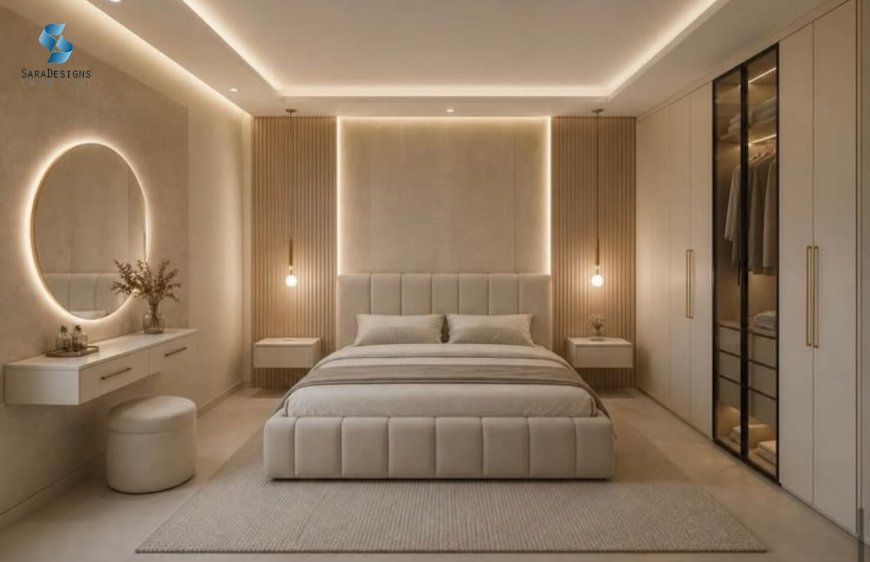
A luxurious home is not always about expensive furniture, imported materials, or grand decorations. True luxury comes from the way a space feels, how comfortably it functions, and how beautifully every element works together. A well-designed home can look elegant and premium without being overloaded with decorative items or unnecessary features.
In a city like Gurgaon, where modern apartments, spacious residences, and premium high-rise homes are increasingly popular, homeowners often look for interiors that reflect their lifestyle while maintaining simplicity. The right colours, thoughtful lighting, quality materials, and carefully selected furniture can make a significant difference.
Working with an experienced Interior Designer in Gurgaon can help you achieve this balance by creating a home that feels sophisticated, comfortable, and timeless rather than excessively decorated.
1. Choose a Simple and Consistent Colour Palette
One of the easiest ways to make your home look luxurious is to maintain a consistent colour scheme throughout the space. Too many colours, contrasting finishes, and decorative patterns can make even an expensive interior look visually crowded.
Start with neutral shades such as warm white, beige, ivory, taupe, or soft grey. These colours create a calm foundation and allow furniture, lighting, and architectural details to stand out naturally.
You can introduce depth through muted green, walnut brown, champagne gold, or other subtle accent colours. For example, a beige living room with wooden furniture, soft curtains, and a few carefully chosen accessories can look more premium than a room filled with competing colours.
An experienced Interior Designer in Gurgaon can help you select a palette that complements your home's natural light, flooring, furniture, and overall architectural style.
Design tip: Follow a simple colour scheme with a dominant neutral shade, a complementary secondary colour, and one or two restrained accents. Consistency is more important than adding more colours.
2. Invest in Quality Materials Instead of Excessive Decoration
Luxury is often visible in the materials used throughout a home. You do not need marble on every surface or expensive finishes in every corner. Instead, focus on selecting materials that look good, feel durable, and work well together.
Consider these options:
-
Wood and wood finishes: Add warmth and character to wardrobes, wall panels, furniture, and cabinets.
-
Natural stone or quality stone-look surfaces: Create a refined appearance in selected areas, such as countertops or feature walls.
-
Premium laminates: Offer attractive finishes for wardrobes and modular kitchens without necessarily requiring a high budget.
-
Textured wall finishes: Add subtle depth without relying on multiple decorative elements.
-
Quality fabrics: Well-made curtains, upholstery, and cushions can instantly improve the overall appearance of a room.
The key is to use these materials strategically. A beautiful wooden TV unit or a well-finished kitchen can become a focal point without requiring additional decorative panels everywhere.
Many homeowners consult Luxury Interior Designers in Gurgaon to understand where premium materials will make the greatest visual impact and where practical alternatives can deliver a similar effect.
3. Keep Furniture Proportions Balanced
Furniture plays a major role in how luxurious a home looks. Oversized sofas, bulky coffee tables, and too many chairs can make a room feel cramped, even when the furniture itself is expensive.
Choose furniture according to the size and layout of your space. A compact living room may benefit from a streamlined sofa, a simple centre table, and a carefully positioned accent chair. A larger living room can accommodate a generous seating arrangement, provided there is enough space to move comfortably.
Pay attention to the shape, height, and visual weight of each piece. Furniture with clean lines and balanced proportions often looks more sophisticated than heavily carved or excessively detailed designs.
Professional Home Interior Designers in Gurgaon can plan furniture layouts around circulation space, room dimensions, and everyday requirements, ensuring that your home feels open rather than overcrowded.
Remember, every piece should have a purpose. If an item does not improve comfort, functionality, or the visual appeal of the room, you may not need it.
4. Use Lighting to Create a Premium Atmosphere
Lighting can completely change the mood of an interior. Even a beautifully furnished home may feel ordinary if the lighting is harsh, poorly positioned, or insufficient.
Instead of relying on a single bright ceiling light, combine different types of lighting to create depth and comfort.
Ambient lighting provides general illumination throughout the room. Task lighting supports activities such as reading, cooking, or working. Accent lighting highlights selected architectural details, artwork, shelving, or textured walls.
Warm or neutral-white lighting can work beautifully in living rooms and bedrooms, depending on the materials and atmosphere you want to create. Pendant lights, concealed LED strips, wall lights, and table lamps can add character when used thoughtfully.
Avoid installing decorative lights in every corner. Too many fixtures can distract from the interior rather than enhance it.
A skilled Interior Designer in Gurgaon can plan lighting according to ceiling height, room function, natural light, and furniture placement so that each fixture contributes to the overall design.
5. Create One or Two Statement Features
A luxurious home does not need an elaborate feature wall in every room. In fact, choosing one or two standout elements can make the interior feel more intentional and refined.
Depending on your home's layout, a statement feature could be:
-
A beautifully designed TV wall with subtle textures.
-
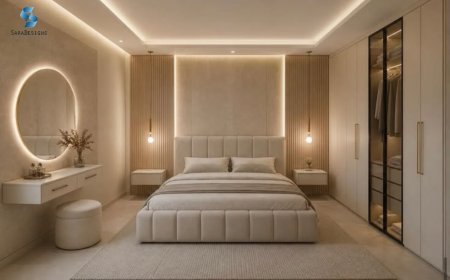
A well-crafted headboard behind the bed.
-
A dining area with an elegant pendant light.
-
A carefully selected artwork in the living room.
-
A stylish entrance console with a mirror.
-
A distinctive piece of furniture that complements the room.
The important thing is to let these features stand out without competing with each other.
For example, if your living room already has a detailed TV wall, keep the remaining walls relatively simple. If the bedroom has a striking upholstered headboard, avoid adding several decorative wall treatments around it.
This restrained approach is one reason many Luxury Interior Designers in Gurgaon favour carefully planned focal points over excessive ornamentation.
6. Keep Storage Smart and Clutter Under Control
Clutter is one of the biggest reasons a well-designed home can lose its premium appearance. Open shelves filled with miscellaneous objects, visible cables, overcrowded countertops, and poorly organised wardrobes can make a space feel unfinished.
Plan storage before selecting decorative elements. Built-in wardrobes, concealed cabinets, under-bed storage, and well-designed kitchen units can help keep everyday belongings organised without taking up unnecessary space.
In living rooms, closed storage can hide remote controls, chargers, documents, and other items that are used regularly. In bedrooms, a practical wardrobe layout can make daily routines easier while keeping the space visually calm.
However, concealed storage should not come at the cost of accessibility. The best solution makes frequently used items easy to reach while keeping less attractive essentials out of sight.
Experienced Home Interior Designers in Gurgaon can design storage around your family's habits, available space, and long-term needs.
A clean and organised home often looks more luxurious than one filled with expensive but unnecessary accessories.
7. Pay Attention to Curtains, Rugs, and Soft Furnishings
Soft furnishings may seem like small details, but they have a significant impact on how a room looks and feels.
Well-fitted curtains, a correctly sized rug, comfortable upholstery, and a few coordinated cushions can bring an entire room together.
For a refined appearance, consider full-length curtains in neutral shades, simple patterns, and fabrics that fall naturally. Where suitable, mounting the curtain track close to the ceiling can help create a greater sense of height.
Rugs should be proportionate to the furniture arrangement. A rug that is too small can make a living room feel disconnected, while a suitably sized one helps define the seating area.
Choose cushions and throws that complement the main colour palette rather than introducing too many unrelated patterns. Texture can provide interest without making the space look busy.
When selecting soft furnishings, focus on fabric quality, proportions, and coordination instead of simply buying more decorative pieces.
8. Make Your Home Look Spacious With Better Planning
A spacious-looking home is not necessarily a large home. The way furniture, lighting, storage, and movement are planned can make a significant difference to how open a room feels.
Avoid blocking windows with bulky furniture, and allow natural light to reach as much of the room as possible. Mirrors can help reflect light and create a greater sense of depth when positioned thoughtfully.
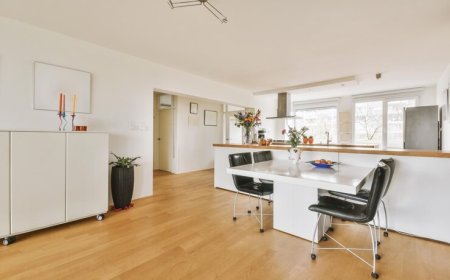
Choose furniture that suits the available floor area, and maintain clear pathways between seating, dining, and circulation zones. In compact apartments, multi-functional furniture and wall-mounted storage can help reduce visual clutter.
An experienced Interior Designer in Gurgaon can identify underused areas and suggest practical layouts that improve both functionality and appearance.
Rather than adding more furniture or decorative panels to fill empty spaces, consider whether the room would benefit from leaving some areas open. Empty space can be an important part of good interior design because it allows the eye to rest and gives key elements room to stand out.
9. Choose Accessories Carefully
Accessories help make a home feel personal, but using too many can create visual noise. Instead of decorating every shelf and table, select a few items that have meaning or complement the overall design.
A ceramic vase, a framed photograph, a sculptural table lamp, a carefully chosen artwork, or a small collection of books can add personality without overwhelming the room.
Group objects in a balanced way and leave some surfaces uncluttered. Consider the scale of each accessory in relation to the furniture around it.
Plants can also introduce freshness and texture, provided they suit the lighting conditions and can be maintained comfortably.
You do not need to purchase everything at once. Start with the essentials, live in the space for a while, and add accessories only when you understand what is missing.
This approach allows the home to develop naturally rather than looking like a showroom filled with unrelated decorative items.
10. Focus on Functionality Along With Appearance
A beautiful home should support the way you actually live. A designer-looking kitchen that lacks practical storage, a bedroom with insufficient lighting, or a living room with uncomfortable seating may look impressive in photographs but fail in everyday use.
Before finalising your interiors, consider your family's routines, cleaning requirements, storage needs, preferred activities, and future plans.
For example, a family that enjoys entertaining guests may need a flexible living and dining arrangement. Someone who works from home may benefit from a dedicated workstation with appropriate lighting and concealed cable management.
Similarly, a family with children may prioritise durable finishes, rounded furniture edges, and easy-to-maintain surfaces.
The best Home Interior Designers in Gurgaon consider these practical requirements alongside aesthetics, ensuring that the finished home feels beautiful without becoming difficult to maintain.
11. Avoid Common Interior Design Mistakes
When trying to create a luxurious home, it is easy to assume that more decoration automatically means a better result. In reality, excessive design can make interiors feel crowded and less timeless.
Here are some common mistakes to avoid:
-
Using too many contrasting colours and finishes.
-
Installing elaborate false ceilings in every room.
-
Combining several competing feature walls.
-
Choosing furniture that is too large for the space.
-
Overusing glossy surfaces and decorative metallic accents.
-
Buying accessories without considering the overall design.
-
Ignoring lighting, storage, and everyday functionality.
-
Following trends without considering long-term maintenance.
Instead, create a clear design direction and make decisions that support it. A simple, well-executed interior will often remain attractive for longer than a space dominated by short-lived trends.
If you are searching for an Interior Designer near me, look for a professional who understands proportion, material selection, practical planning, and execution—not just visual styling.
12. Work With the Right Interior Design Team
Achieving a luxurious yet understated home requires coordination between design, material selection, furniture planning, lighting, and on-site execution. Even a good concept can lose its impact if finishes are inconsistent or important details are overlooked during installation.
This is where professional guidance can be valuable. The right design team can help you prioritise spending, compare suitable materials, coordinate vendors, and maintain consistency across different rooms.
Sara Designs Interior focuses on creating thoughtfully planned interiors that balance aesthetics, functionality, and individual lifestyle requirements. Whether you are designing a new apartment or renovating an existing home, a clear design plan can help you avoid unnecessary expenses and achieve a more cohesive result.
When comparing Luxury Interior Designers in Gurgaon, review their completed projects, understand their design and execution process, and clarify the scope of work, material specifications, timelines, and costs before making a decision.
A professional team should be able to explain not only how your home will look but also how the design will work in everyday life.
Conclusion: Luxury Is About Balance, Not Excess
Making your home look luxurious does not require filling every corner with expensive furniture or elaborate decoration. It is about selecting the right elements, using quality materials thoughtfully, maintaining a balanced colour palette, and creating spaces that feel comfortable and well organised.
Start with the essentials: good lighting, proportionate furniture, practical storage, coordinated textures, and a few meaningful design features. These decisions can transform the appearance of your home without making it feel overdesigned.
If you are planning a new home or considering a renovation, working with an experienced Interior Designer in Gurgaon can help you turn these ideas into a cohesive design that suits your space, lifestyle, and budget.
With thoughtful planning and careful execution, your home can feel elegant, welcoming, and genuinely luxurious—without needing to do too much.
Planning your home interiors in Gurgaon? Connect with Sara Designs Interior to discuss your requirements and explore design solutions tailored to your home.
What's Your Reaction?