


































How to File a Personal Injury Claim After a Road Accident
Need to file a personal injury claim? Follow our simple UK guide to securing the road accident injury compensation you deserve after a collision.

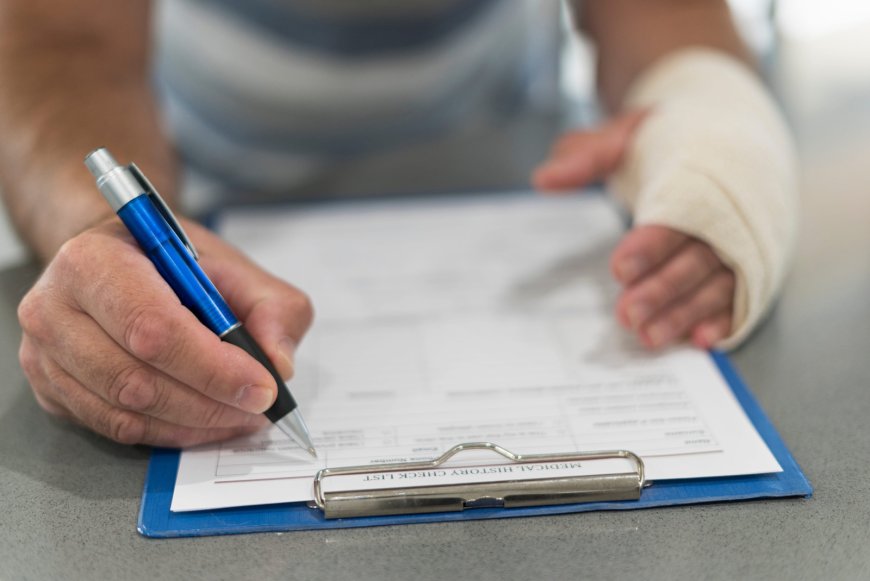
Filing a personal injury claim is the most effective way to secure justice and financial support after a non-fault road traffic incident. Navigating the road accident injury compensation system can feel daunting, but a structured approach simplifies the entire process significantly. This guide helps you understand the essential steps, from gathering initial evidence to reaching a final settlement. Whether you are dealing with minor soft tissue damage or more complex medical issues, knowing your rights is vital. Follow these professional steps to protect your interests and ensure you receive the correct amount of damages.
1. Prioritise Your Safety and Immediate Medical Needs
Your health remains the absolute priority immediately following any road traffic collision in the UK. Even if you feel fine, you must seek medical attention to document any potential underlying injuries. A formal medical report serves as the foundation for your personal injury claim later on. Failing to get checked out can weaken your case if you later develop delayed symptoms. Keep detailed records of all doctor visits, prescriptions, and any ongoing treatment plans.
2. Gather Essential Evidence at the Scene
Collecting high-quality evidence at the scene provides the proof needed to establish clear liability. Take clear photographs of the vehicle damage, road signage, and the overall positioning of all cars. If witnesses are present, kindly ask for their names and contact details for your records. This information becomes critical if the other driver disputes their involvement or denies their liability. A solid evidence base makes the accident injury settlement process much faster for your legal team.
3. Reporting the Incident to Your Insurer
You must notify your insurance provider about the accident as soon as practically possible. Be honest and factual when describing the incident without admitting any personal fault at the scene. Request a formal reference number from your insurer to track your report and future communications. This report officially starts the chain of communication required for any future financial recovery. Reliable documentation here prevents common administrative delays that often plague the insurance claims process.
4. Understanding the Whiplash Injury Claim UK Guidelines
Many road accidents result in soft tissue injuries, commonly known as whiplash, which require specific handling. Under current UK regulations, a whiplash injury claim uk process often involves using the official government portal. Your solicitor will help you navigate these specific rules to ensure you meet all legal requirements. These guidelines aim to speed up the process for smaller claims while maintaining fairness for victims. Always consult with a qualified legal expert to ensure your medical evidence meets these standards.
5. Navigating the Accident Injury Settlement Process
The journey toward a settlement involves several clear stages managed by your appointed legal representative.
|
Stage of Claim |
Actions Taken by Your Solicitor |
|
Initial Review |
Assessing your evidence to confirm the strength of your legal case. |
|
Liability Check |
Sending a formal letter to the other party to confirm fault. |
|
Medical Evidence |
Arranging an examination to document the impact on your physical health. |
|
Damages Calculation |
Quantifying your losses, including vehicle repairs and lost earnings. |
|
Final Negotiation |
Agreeing on a fair amount for your road accident injury compensation. |
6. Calculating the Full Extent of Your Losses
Your settlement should cover more than just your physical pain and immediate suffering. You must document all "special damages," which include any out-of-pocket expenses resulting from the collision. This includes repair costs, taxi fares, lost wages, and any necessary home modifications during your recovery. Providing detailed receipts for every single expense helps justify the full value of your personal injury claim. Never rush this stage, as forgotten costs cannot be added once the settlement is signed.
7. Working With Experienced Legal Professionals
While you can manage a claim yourself, legal experts drastically improve your chances of success. They understand the complexities of UK law and can negotiate much better settlement figures. Most experts work on a "no win, no fee" basis, making professional support highly accessible. They take the stress out of dealing with insurance adjusters and aggressive third-party legal teams. Having an expert on your side ensures you do not accept an unfairly low offer.
Conclusion
Filing for compensation after a road accident is a journey that requires patience and careful planning. By following these steps, you protect your legal rights and secure the support needed for recovery. Remember to prioritise your medical health, collect strong evidence, and seek professional legal guidance early. Staying organised throughout the accident injury settlement process will drastically reduce your personal stress and anxiety. You deserve to be put back in the position you were in before your accident.
FAQs
1. How long do I have to file a personal injury claim?
In the UK, you generally have three years from the date of your accident to initiate legal proceedings. It is highly advisable to start your personal injury claim as early as possible, while the evidence is still fresh. Waiting too long can make it much harder to locate witnesses and obtain accurate medical records.
2. What is the average value of road accident injury compensation?
The value of your claim depends entirely on the severity of your injuries and your specific financial losses. Solicitors use historical data and judicial guidelines to calculate a fair figure for your road accident injury compensation. Every case is unique, so there is no single "average" amount that applies to every driver.
3. Do I have to go to court for my claim?
The vast majority of claims are settled through negotiations between solicitors long before a court hearing is required. Your legal representative will manage the accident injury settlement process to reach an agreement that avoids a trial. Court action is typically reserved for rare cases where liability is heavily disputed by both parties.
4. Can I claim if the other driver was uninsured?
Yes, you can still claim through the Motor Insurers' Bureau, which is designed to compensate victims of uninsured drivers. Your solicitor will handle this specific process to ensure you still receive your road accident injury compensation. This ensures that you are not left financially vulnerable due to another driver's illegal actions.
5. How long does the whiplash injury claim UK process take?
Simple cases often resolve within a few months, while more complex claims may take over a year to finish. The government portal for a whiplash injury claim in the UK is designed to keep these timelines as short as possible. Your solicitor will provide a realistic estimate based on the unique circumstances of your specific collision.
6. What counts as medical evidence for my claim?
Medical evidence includes formal reports from doctors, physiotherapists, and specialists who have treated your injuries. Your solicitor will arrange an independent examination to verify your personal injury claim's medical status. This evidence is the primary tool used to justify the amount of pain and suffering damages requested.
7. Is the personal injury claim process expensive?
Many legal firms offer "no win, no fee" agreements, meaning you pay nothing unless your claim is successful. This structure makes pursuing your road accident injury compensation financially risk-free for most honest victims. Always clarify the specific fee structure with your solicitor during your initial consultation.
8. What happens if the other driver blames me?
If liability is disputed, your solicitor will investigate all available evidence, including dashcam footage and witness statements. They will use this information to challenge the other side and protect your personal injury claim from being dismissed unfairly. Having professional representation is critical when the other driver refuses to accept their role.
9. Can I claim for loss of earnings?
Yes, you can include lost wages as part of your special damages if the injury prevented you from working. You will need to provide payslips or tax records to prove your road accident injury compensation loss accurately. Your solicitor will ensure this total is included in the final settlement request.
10. Do I have to use the solicitor my insurer recommends?
You have the absolute right to choose your own solicitor rather than using one mandated by your insurance firm. Using an independent expert can sometimes lead to better results for your personal injury claim settlement. Always compare your options to ensure you are represented by someone who truly puts your interests first.
What's Your Reaction?