

























GCC Health and Wellness Market 2026 | Growth, Trends, and Forecast by 2034
The GCC health and wellness market size increased from USD 76.6 Billion in 2025 to USD 82.5 Billion in 2026. Looking forward, IMARC Group expects the market to reach USD 131.6 Billion by 2034, exhibiting a growth rate (CAGR) of 6.01% during 2026-2034.

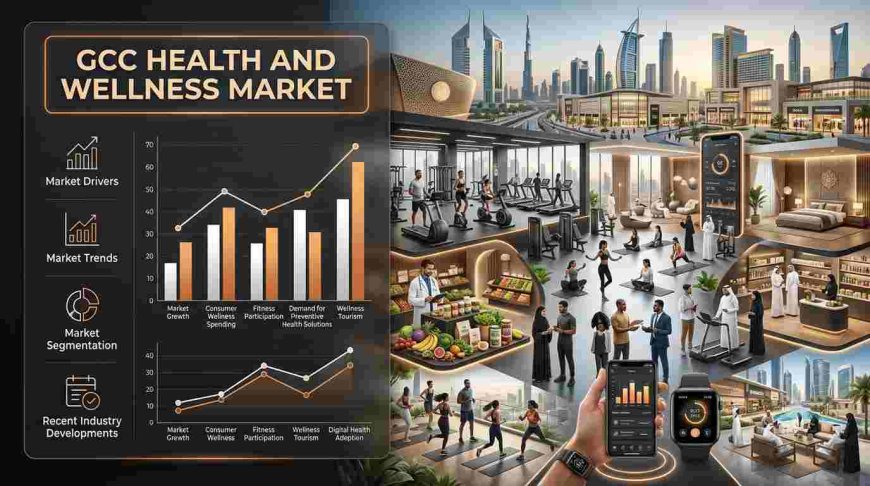
IMARC Group, a leading global market research and management consulting firm, has published its latest market intelligence report on the GCC health and wellness market. The GCC health and wellness market size increased from USD 76.6 Billion in 2025 to USD 82.5 Billion in 2026 and is projected to reach USD 131.6 Billion by 2034, exhibiting a CAGR of 6.01% during 2026-2034. Growth is being driven by the increasing adoption of digital health technologies, rising sedentary lifestyles pushing consumers toward preventive care, growing demand for wellness services, fitness centers, and mental health solutions, and the rapid innovation taking place across nutraceuticals and corporate wellness programs.
Health and wellness in the GCC has moved well beyond a lifestyle trend, evolving into a core pillar of national development agendas across the region. As Gulf governments push ahead with Vision-style programs that place preventive health, fitness, and quality of life at the center of economic diversification, demand for beauty and personal care products, functional foods and beverages, and preventive medicinal solutions is climbing steadily. These developments are creating strong opportunities across the GCC health and wellness products market, while wellness tourism destinations, city-wide fitness initiatives, and AI-enabled personalized health platforms are reshaping how consumers across Saudi Arabia, the UAE, and the wider GCC engage with their own wellbeing. Combined with strong government backing through national quality-of-life programs and public health campaigns, these forces are reshaping the competitive landscape and setting the stage for durable, long-term growth across Saudi Arabia, the UAE, Qatar, Bahrain, Kuwait, and Oman.
GCC Health and Wellness Market at a Glance:
- Market Size (2025): USD 76.6 Billion
- Market Size (2026): USD 82.5 Billion
- Market Forecast (2034): USD 131.6 Billion
- Growth Rate (2026-2034): CAGR of 6.01%
- Base Year: 2025 | Historical Period: 2020-2025 | Forecast Period: 2026-2034
- Leading Product Segment: Beauty and Personal Care Products, driven by strong regional emphasis on grooming and self-care
- Leading Functionality Segment: Skin Health, supported by rising demand for hydration, anti-aging, and dermatologically proven formulations
- Leading Country Market: Saudi Arabia, backed by its large, affluent population and Vision 2030 Quality of Life Program
How AI is Reshaping the Future of the GCC Health and Wellness Market
- AI-Powered Personalized Wellness Planning: AI-driven health assessment and wellness planning algorithms are increasingly being deployed across Saudi Arabia's wellness tourism and medical wellness destinations, enabling providers to build customized treatment programs and reportedly cutting recovery times by 30-40% in supporting facilities.
- Digital Fitness and Wearable Integration: Corporate wellness programs and consumer fitness platforms across the UAE and Saudi Arabia are increasingly built around wearables, app-based coaching, and AI-driven activity tracking, complementing physical gyms and studios with hybrid digital-first wellness models.
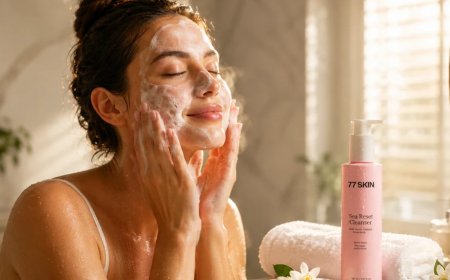
- AI-Driven Skincare and Beauty Personalization: Beauty and personal care brands operating across the GCC are introducing AI-enabled skin diagnostic tools and personalized formulation recommendations, aligning product development with the region's leading skin health functionality segment.
Grab a sample PDF of this report: https://www.imarcgroup.com/gcc-health-wellness-market/requestsample
GCC Health and Wellness Market Trends and Drivers:
Demand across the GCC health and wellness market is being underpinned by the rising prevalence of chronic diseases such as cardiovascular ailments, diabetes, and obesity, which is pushing consumers toward preventive lifestyle changes, specialized diets, and fitness regimes. Governments and healthcare providers are increasingly recognizing the economic burden of these conditions and are investing in health promotion and disease prevention strategies across the region.
The region's structural differentiator is its cultural and religious openness toward holistic wellbeing, with rising consumer preference for natural remedies, herbal supplements, and traditional practices such as Ayurveda gaining renewed popularity alongside modern nutraceutical innovation. This is complemented by the GCC's high disposable incomes, which are translating into stronger spending on fitness memberships, organic and health-centric food products, and wellness retreats.
A third driver is the deepening alignment between wellness demand and national quality-of-life and tourism agendas. Governments across the region are investing heavily in health infrastructure, city-wide fitness campaigns, and wellness tourism destinations, a dynamic that is set to intensify over the coming decade as preventive health becomes a core pillar of economic diversification.
Government Schemes and National Vision Initiatives Driving Demand:
- Saudi Vision 2030 Quality of Life Program: Launched in 2018 with a budget of USD 34.6 billion, the program promotes sports, arts, culture, and healthy living, positioning physical activity and preventive wellness as cornerstones of Saudi Arabia's development agenda.
- Saudi Public Health and Nutrition Policy: Saudi Arabia has implemented mandatory front-of-pack nutrition labeling and a 50% excise tax on sugar-sweetened beverages as part of a comprehensive strategy to combat obesity and promote healthier consumption habits.
- Dubai Fitness Challenge: Organized by the Dubai Department of Economy and Tourism and the Dubai Sports Council, this city-wide initiative encourages 30 minutes of daily physical activity for 30 days, reinforcing Dubai's positioning as a global fitness and wellness hub.
- Red Sea Global's AMAALA Wellness Destination: Positioned as the world's most comprehensive health and wellness destination under Saudi Arabia's giga-project pipeline, AMAALA has partnered with operators including Six Senses, Clinique La Prairie, Equinox Hotels, and Four Seasons to anchor medical and integrative wellness tourism.
- VIBE by LiveWell (Saudi Ministry of Health): Co-located within the Global Health Exhibition and aligned with the Vision 2030 Quality of Life Program, this platform spotlights Saudi Arabia's wellness economy, valued at approximately USD 19.8 billion, prioritizing preventive health, active lifestyles, and wellbeing.
GCC Health and Wellness Market Industry Segmentation:
The report has segmented the market into the following categories:
Breakup By Product Type:
- Functional Foods and Beverages
- Beauty and Personal Care Products
- Preventive and Personalized Medicinal Products
- Others
Beauty and personal care products represent the largest segment, propelled by a growing consumer base increasingly conscious of self-care and grooming, alongside rising demand for natural and organic formulations that align with broader health and wellness principles.
Breakup By Functionality:
- Nutrition & Weight Management
- Heart & Gut Health
- Immunity
- Bone Health
- Skin Health
- Others
Skin health accounts for the largest functionality share, driven by strong regional demand for hydration, protection from environmental stressors, and anti-aging formulations featuring natural and dermatologically proven ingredients.
Breakup By Country:
- Saudi Arabia
- UAE
- Qatar
- Oman
- Kuwait
- Bahrain
Saudi Arabia leads the regional market, supported by its large and affluent population, rising disposable incomes, and the government's Vision 2030 initiative, which places significant emphasis on improving public health through physical activity promotion and health infrastructure development.
Competitive Landscape:
Top companies operating in the GCC health and wellness market are investing significantly in research and development, introducing innovative products and services aligned with growing demand for holistic wellbeing. These companies are capitalizing on digitalization trends, leveraging virtual fitness classes, wellness apps, and online consultations to expand their market reach, while forming strategic partnerships with fitness influencers, nutrition experts, and healthcare providers to build comprehensive wellness ecosystems.
Market Concentration Analysis:
- The competitive field spans international beauty and personal care majors, regional nutraceutical players, and a fast-growing base of wellness tourism and fitness operators.
- Companies are increasingly competing on digital wellness ecosystems, combining product innovation with app-based platforms and virtual consultation services.
- Strategic collaborations with fitness influencers, healthcare providers, and wellness destinations are becoming a key differentiator as the market matures.
What Does The Full Report Cover?
- Historical, current, and forecast market size for the GCC health and wellness market from 2020 to 2034
- Market breakup by product type, functionality, and country
- Country-level analysis covering Saudi Arabia, UAE, Qatar, Oman, Kuwait, and Bahrain
- Key growth drivers, restraints, and opportunities shaping the market
- Porter's Five Forces analysis and value chain assessment
- Competitive landscape, market structure, and player positioning
- Detailed profiles of major regional and international health and wellness companies
Recent News and Developments in the GCC Health and Wellness Market
- October 2025: The VIBE platform, powered by LiveWell from Saudi Arabia's Ministry of Health, launched at the Global Health Exhibition 2025 in Riyadh, spotlighting the Kingdom's wellness economy and its alignment with the Vision 2030 Quality of Life Program.
- November 2025: Dubai marked the ninth edition of the Dubai Fitness Challenge, running from November 1 to 30, uniting residents, corporate teams, and wellness brands around a citywide commitment to daily physical activity.
- 2025: Bayn, Saudi Arabia's first women-only beach wellness retreat, opened on AlUqair beach, offering a mindful restoration program combining yoga and meditation.
- 2025: AMAALA, Red Sea Global's flagship wellness destination, welcomed its first guests, featuring partnerships with global wellness operators including Six Senses, Clinique La Prairie, and Equinox Hotels.
Note: If you require specific details, data, or insights that are not currently included in the scope of this report, we are happy to accommodate your request. As part of our customization service, we will gather and provide the additional information you need, tailored to your specific requirements. Please let us know your exact needs, and we will ensure the report is updated accordingly to meet your expectations.
Key Questions This Report Answers
- How big is the GCC health and wellness market and what is its growth outlook through 2034?
- What are the key growth drivers, restraints, and opportunities in the GCC health and wellness market?
- Which product type and functionality segments hold the largest share of the market?
- Which country leads the GCC health and wellness market, and why?
- How are government schemes and Vision-style national programs shaping regional wellness demand?
- Who are the key players in the GCC health and wellness market, and how is the competitive landscape evolving?
- What role is AI and digital health technology playing in the future of GCC wellness services?
About Us
IMARC Group is a global management consulting firm that helps the world's most ambitious changemakers to create a lasting impact. The company provides a comprehensive suite of market entry and expansion services. IMARC offerings include thorough market assessment, feasibility studies, company incorporation assistance, factory setup support, regulatory approvals and licensing navigation, branding, marketing and sales strategies, competitive landscape and benchmarking analyses, pricing and cost research, and procurement research.
Media and Sales Contact
IMARC Group
Email: sales@imarcgroup.com
United States: +1-201-971-6302
India: +91-120-433-0800
United Kingdom: +44-753-714-6104
What's Your Reaction?