





























Digital Food Licensing: Transforming the Future of Food Business Compliance
One of the most important developments in this area is the rise of food license online, which has simplified the way food businesses obtain approvals and maintain compliance.

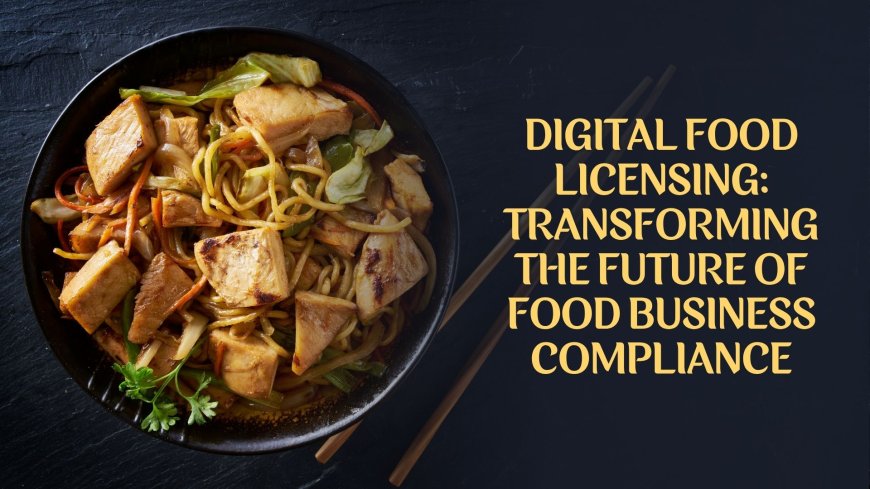
The food industry is evolving rapidly, driven by changing consumer expectations, technological advancements, and stricter safety requirements. As businesses increasingly embrace digital solutions, regulatory processes are also undergoing a significant transformation. One of the most important developments in this area is the rise of food license online, which has simplified the way food businesses obtain approvals and maintain compliance.
Digital food licensing has become an essential part of modern food regulation. By replacing traditional paperwork and lengthy approval procedures with efficient online systems, food businesses can now complete licensing requirements more quickly and conveniently. This shift not only benefits food entrepreneurs but also strengthens food safety oversight and regulatory transparency.
As the food sector continues to grow and diversify, online food licensing is emerging as a cornerstone of a smarter, more efficient regulatory framework.
The Need for Modern Food Regulation
Food safety is a critical concern for governments, businesses, and consumers alike. Every food establishment, whether it is a restaurant, food manufacturer, cloud kitchen, retailer, or street food vendor, has a responsibility to ensure that the food it serves is safe for consumption.
Traditionally, obtaining food licenses involved multiple visits to government offices, extensive paperwork, and long waiting periods. Businesses often faced delays in processing applications, document verification, and communication with authorities.
These challenges highlighted the need for a more efficient system capable of supporting a rapidly expanding food industry. The adoption of online food licensing addresses these concerns by making the regulatory process faster, more transparent, and easier to manage.
What Is Online Food Licensing?
Online food licensing refers to the digital process through which food businesses apply for, renew, modify, and manage their food licenses through internet-based platforms. Instead of relying on manual procedures, applicants can submit information electronically, upload documents, monitor application progress, and receive approvals through a centralized digital system.
This approach benefits both food business operators and regulatory authorities by reducing administrative burdens and improving communication.
Benefits of Online Food Licensing
Faster Processing and Approval
One of the most significant advantages of online licensing is the reduction in processing time. Digital platforms allow applications to be submitted instantly and reviewed more efficiently. Since documents can be uploaded electronically, authorities can access and verify information without delays associated with physical paperwork.
This streamlined process enables businesses to begin operations sooner and reduces disruptions caused by licensing delays.
Greater Convenience for Businesses
Online systems eliminate the need for repeated visits to government offices. Business owners can complete applications, update details, renew licenses, and track progress from any location with internet access. This convenience is especially valuable for entrepreneurs who must manage multiple operational responsibilities.
The ability to access licensing services at any time also improves flexibility and saves valuable time.
Improved Transparency
Transparency is essential for building trust between businesses and regulatory authorities. Digital licensing platforms provide real-time updates regarding application status, pending requirements, and approval timelines. Applicants can monitor every stage of the process without uncertainty.
This transparency reduces confusion, improves accountability, and helps businesses plan their operations more effectively.
Reduced Administrative Costs
Paper-based processes often involve printing, courier services, document storage, and travel expenses. Online licensing significantly lowers these costs by digitizing the entire workflow. Businesses can submit documents electronically, reducing paperwork and minimizing administrative expenses.
Regulatory agencies also benefit from lower operational costs through automation and improved resource management.
Better Record Management
Digital systems allow businesses to maintain organized records of licenses, certificates, and compliance documents. Important information can be stored securely and accessed whenever needed. This simplifies audits, inspections, and future renewals while reducing the risk of document loss or damage.
Efficient record management contributes to stronger compliance practices and smoother business operations.
Supporting Small Food Businesses
Small and medium-sized food enterprises often face greater challenges when navigating regulatory requirements.
Limited resources and lack of specialized compliance teams can make traditional licensing procedures difficult to manage. Online platforms help overcome these barriers by providing simple and user-friendly interfaces.
Benefits for small businesses include:
-
Simplified application procedures
-
Easy access to guidance materials
-
Reduced travel and paperwork costs
-
Faster communication with authorities
-
Improved understanding of compliance requirements
By making licensing more accessible, digital systems encourage greater participation in the formal food sector.
Enhancing Food Safety Compliance
Online licensing is not only about convenience; it also strengthens food safety regulation.
Digital platforms enable authorities to maintain centralized databases of registered food businesses. This improves monitoring, inspection planning, and enforcement activities.
Regulators can:
-
Track license validity
-
Identify non-compliant businesses
-
Monitor inspection schedules
-
Analyze industry trends
-
Improve risk assessment procedures
As a result, food safety management becomes more effective and responsive.
Integration with Emerging Technologies
The future of food regulation is closely linked to technological innovation.
Modern digital licensing systems are increasingly being integrated with advanced technologies that enhance regulatory efficiency.
Artificial Intelligence
AI-powered tools can assist in application screening, risk analysis, and compliance monitoring.
These technologies help authorities identify potential issues more quickly and allocate resources more effectively.
Data Analytics
Digital platforms generate valuable data that can be used to improve regulatory decision-making.
Authorities can analyze patterns related to licensing, inspections, and compliance to identify emerging risks and develop targeted interventions.
Cloud-Based Systems
Cloud technology enables secure storage and easy access to information from multiple locations.
This improves collaboration between regulatory agencies and enhances system reliability.
Mobile Accessibility
Many online licensing services are becoming mobile-friendly, allowing businesses to manage compliance activities directly from smartphones and tablets.
This increased accessibility supports broader adoption among entrepreneurs.
Encouraging a Culture of Compliance
One of the major advantages of online food licensing is its ability to promote voluntary compliance.
When regulatory processes are straightforward and accessible, businesses are more likely to fulfill their obligations promptly.
Digital platforms often provide:
-
Automated reminders for license renewals
-
Compliance alerts
-
Educational resources
-
Step-by-step application guidance
These features help businesses stay informed and maintain continuous compliance with food safety requirements.
Challenges in Digital Adoption
Although online food licensing offers numerous advantages, certain challenges remain.
Limited Digital Awareness
Some food business operators may have limited experience with online systems, making adoption more difficult.
Training programs and user support services can help address this issue.
Internet Connectivity Issues
Reliable internet access is still a challenge in some regions. Improving digital infrastructure is essential to ensure equal access to online services.
Cybersecurity Concerns
As more information is stored digitally, protecting sensitive business data becomes increasingly important.
Strong cybersecurity measures are necessary to safeguard user information and maintain confidence in digital platforms.
Steps to Apply for a Food License Online
The application process is generally simple and can be completed through the official licensing portal.
Step 1: Access the Registration Portal
Visit the official food licensing website and select the appropriate registration option.
Step 2: Complete the Application Form
Provide accurate information about your business, including operational details and food categories.
Step 3: Upload Supporting Documents
Submit the required documents based on your business type and licensing category.
Step 4: Review the Information
Carefully verify all details before final submission.
Step 5: Pay the Applicable Fee
Complete the online payment process according to the selected license type.
Step 6: Verification and Inspection
Authorities may review the application and conduct an inspection if required.
Step 7: Receive Approval
Upon successful verification, the license will be issued electronically and can be downloaded from the portal.
Step 8: Renew When Necessary
Businesses can also renew or modify their licenses through the same digital platform, ensuring uninterrupted compliance.
The Future of Food Regulation
As digital transformation continues to reshape industries, online food licensing is expected to become even more advanced and efficient.
Future developments may include:
-
Automated compliance monitoring
-
Real-time inspection reporting
-
Enhanced data analytics
-
Predictive risk assessment
-
Integration with national digital governance systems
These innovations will strengthen food safety oversight while reducing administrative burdens for businesses.
Note:- Now you can easily Renewal food license
Conclusion
Online food licensing represents a major advancement in food regulation. By simplifying compliance procedures, improving transparency, reducing costs, and strengthening food safety oversight, digital licensing systems provide substantial benefits for both businesses and regulators.
The move toward online licensing reflects the broader shift toward digital governance and modern regulatory practices. As technology continues to evolve, food businesses that embrace digital compliance solutions will be better positioned to operate efficiently, meet regulatory expectations, and build consumer trust.
In the years ahead, online food licensing will continue to play a crucial role in creating a safer, smarter, and more efficient food industry, making it an essential foundation for the future of food regulation.
What's Your Reaction?