































What Beginner Investors Need to Know About Digital Assets in 2026
Explore the basics of digital assets in 2026 with this beginner-friendly guide covering crypto trends, risk management, smart investing habits, and safer portfolio strategies.

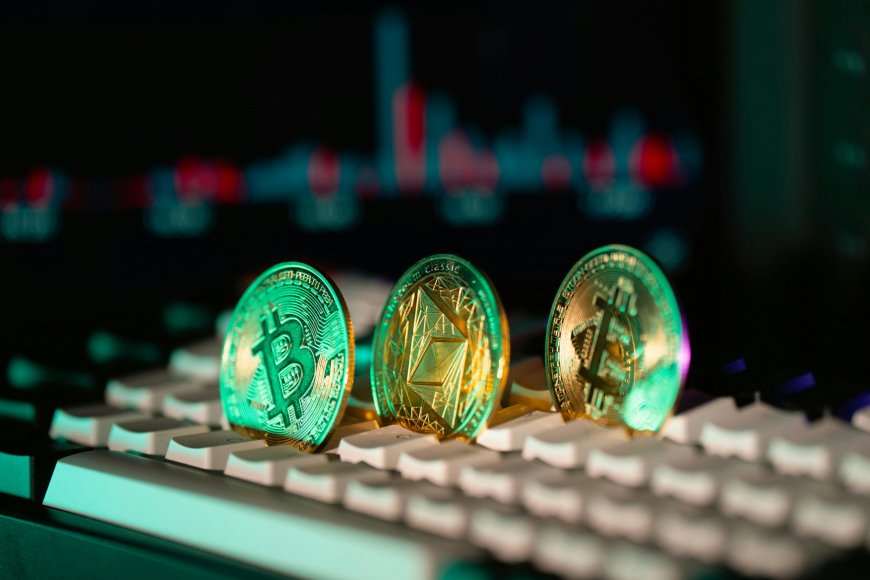
Welcome to 2026. If you are just starting your investment journey today, you are entering a market that is fundamentally different from the one your parents—or even your older siblings—navigated. Digital assets are no longer a "speculative side-hustle" for tech enthusiasts; they have become a foundational pillar of the global financial system.
By now, most major retail banks have integrated digital wallets directly into their mobile apps. The "Great Tokenization" has turned everything from real estate and fine art to carbon credits and loyalty points into tradeable digital assets. However, for a beginner, the sheer speed and complexity of this ecosystem can be overwhelming. This guide breaks down exactly what you need to move from a curious observer to a confident digital investor.
Filtering the Noise: The Truth About "Finance Gossips"
One of the hardest parts of being a beginner in 2026 is managing the firehose of information. We live in an age where social media algorithms are fine-tuned to trigger emotional responses. On any given day, you will be bombarded with headlines claiming a certain coin is "going to the moon" or that a market crash is "imminent."
A significant portion of what you hear in online communities and "fin-tok" circles is nothing more than finance gossips. These rumors often originate from people with a specific agenda—usually trying to "pump" an asset they already own. For a beginner, the most important skill is learning to ignore the chatter. Base your decisions on whitepapers, institutional reports, and actual utility rather than the latest whispers on a message board. If you find yourself making an investment because you’re afraid of missing out on a "secret" someone shared, you aren't investing; you are following a rumor mill.
Understanding the Asset Classes of 2026
In 2026, we don't just talk about "crypto." We talk about a diverse range of digital assets:
-
Store of Value (Digital Gold): Bitcoin remains the primary hedge against inflation, now widely held by pension funds and sovereign wealth funds.
-
Smart Contract Platforms: These are the "operating systems" of the new economy. Ethereum, Solana, and their successors allow for the creation of decentralized applications (dApps) that handle everything from insurance to gaming.
-
Real World Assets (RWAs): This is the biggest growth sector of 2026. You can now buy digital "shards" of a rental property in London or a vineyard in France. These assets provide the stability of physical property with the liquidity of a digital token.
-
Stablecoins: These are digital currencies pegged to a stable asset like the US Dollar or Euro. They are the "utility player" used for daily transactions and as a safe haven during market volatility.
The Professional Edge: Your Crypto Entry and Exit Strategy
The reason many beginners lost money in the early 2020s wasn't that they picked bad assets—it was that they didn't have a plan for when to buy or when to sell. They were driven by adrenaline, not strategy.
In 2026, the market moves with incredible precision. Successful investors utilize a disciplined crypto entry and exit strategy to protect their capital.
-
The Entry: Instead of "going all in" at once, modern beginners use automated Dollar Cost Averaging (DCA). You might set your app to buy $50 worth of an asset every Tuesday, regardless of the price. This lowers your average cost over time and prevents you from buying at a temporary "peak."
-
The Exit: This is where most beginners fail. You must decide before you buy at what point you will take profits. Will you sell 50% of your holdings if the price doubles? Will you exit entirely if the asset hits a specific price target? Having a predetermined crypto entry and exit strategy ensures that you walk away with realized gains rather than watching a "paper profit" vanish during a market correction.
Security in the Age of AI
While the technology behind digital assets has become more secure, the methods used by scammers have become more sophisticated. In 2026, AI-powered "deepfake" scams are common. You might see a video of a famous billionaire recommending a new token—only to find out it was a generated fake.
As a beginner, follow the "Triple-Check Rule":
-
Hardware First: If you own more than $1,000 in digital assets, move them to a physical hardware wallet. Never leave your life savings on an exchange.
-
Verify the Contract: Before clicking "swap" on a decentralized exchange, verify the contract address through a reputable blockchain explorer.
-
No DMs: No legitimate exchange or project lead will ever send you a direct message asking for your "seed phrase" or "private keys."
The Regulatory Landscape
Unlike the early days, 2026 is an era of relative regulatory clarity. Most countries have passed comprehensive digital asset laws (like the evolved MiCA framework in Europe). This is good news for beginners. It means that the platforms you use are now subject to audits and consumer protection laws. However, it also means that "tax season" is no longer optional for digital investors. Every trade is a reportable event, and modern tax software now links directly to your wallets to calculate your obligations automatically.
Frequently Asked Questions
1. Is it too late to start investing in digital assets in 2026?
Not at all. While the "overnight millionaire" era is largely over, we are currently in the "mass adoption" phase. Digital assets are becoming a standard part of a balanced portfolio, similar to stocks and bonds.
2. What is the minimum amount I need to start?
In 2026, most platforms allow you to buy "fractional" amounts. You can start with as little as $1 or $5. The key is consistency, not the starting amount.
3. Why should I care about "finance gossips" if I'm just a long-term holder?
Even long-term holders can be rattled by rumors. If you don't recognize finance gossips for what they are, you might be tempted to sell a perfectly good asset during a temporary dip caused by fake news.
4. How do I know when to sell?
This is why your crypto entry and exit strategy is vital. Most experts recommend taking "incremental profits." If your investment grows by 20%, sell a small portion to cover your initial cost. That way, you are playing with "house money."
5. Are "Meme Coins" a good investment for beginners?
Meme coins are high-risk gambling. While they occasionally produce huge returns, 99% of them eventually go to zero. For a beginner, it’s better to focus on assets with "intrinsic utility"—those that solve a real-world problem.
6. Do I have to pay taxes on my digital assets?
Yes. In 2026, tax authorities have sophisticated tools to track on-chain transactions. It is much easier (and cheaper) to report your gains accurately than to face an audit later.
7. What is a "Seed Phrase" and why is it so important?
A seed phrase is a series of 12 or 24 words that acts as the "master key" to your wallet. If you lose it, you lose your money. If someone else gets it, they can take your money. Never store it digitally; write it on paper and keep it in a safe.
8. What’s the difference between an Exchange and a Wallet?
An exchange (like Coinbase or Binance) is like a bank—they hold the assets for you. A wallet is like a physical purse—you have total control. In 2026, the saying "Not your keys, not your coins" is still the golden rule.
9. How do I stay updated without getting overwhelmed?
Pick three reputable news sources and ignore the rest. Avoid checking your portfolio multiple times a day; it only leads to emotional stress and poor decision-making.
10. What is "Staking"?
Staking is the digital asset version of earning interest. By "locking" your tokens to help secure a network, you earn a percentage return (usually 3-8% annually) in additional tokens.
Conclusion: The Long Game
Digital assets in 2026 are about more than just currency; they are about participating in a new, more transparent global economy. As a beginner, your biggest advantages are time and discipline.
By filtering out the
and adhering to a logical crypto entry and exit strategy, you place yourself ahead of the vast majority of investors who are still trying to "beat the market" with luck. The future of finance is digital, decentralized, and full of opportunity—provided you have the patience to learn and the plan to execute. Happy investing!
What's Your Reaction?