































Key Financial Habits Future Homeowners Should Develop in 2026
Discover essential financial habits for future homeowners in 2026. Learn how to save effectively, manage debt, improve credit scores, and plan for homeownership with confidence. Start building a strong financial foundation today.

The year 2026 is shaping up to be a transformative period for the real estate market. With interest rates finally stabilizing and a new wave of inventory hitting the streets, the dream of owning a home is moving from "maybe someday" to "actually happening" for millions. However, the path to the front door isn't just paved with good intentions; it’s built on a foundation of disciplined financial habits.
If you’re scrolling through the latest finance gossips on social media or lurking in community forums, you’ve likely heard the buzz: the rules for qualifying have changed, and the "old school" ways of saving might not be enough. To help you navigate this shifting landscape, we’ve broken down the essential financial habits every future homeowner should master this year.
1. The "Zero-Based" Budgeting Shift
In 2026, general "mental math" budgeting is out. High-performing future homeowners are turning to zero-based budgeting—where every single dollar has a job before the month begins. Whether it’s for rent, the "dream home" fund, or a Friday night out, allocating your income precisely helps you avoid the "leaky bucket" syndrome.
Small, unforced errors—like forgotten subscriptions or impulse delivery app orders—are the biggest obstacles to your down payment. By tracking every cent, you’re not just saving; you’re practicing the discipline required to manage a mortgage, property taxes, and unexpected maintenance.
2. Strategic Credit Optimization
While the minimum credit score for an FHA loan might still hover around 580, the real "golden ticket" in 2026 is a score of 740 or higher. The difference between a "good" and "excellent" score can save you tens of thousands of dollars in interest over the life of your loan.
Develop the habit of checking your credit report monthly—not just for the score, but for errors. With the rise of AI-driven credit reporting, glitches are more common than you’d think. Disputing an error now can take months, so starting today ensures your profile is pristine when you finally meet with a lender.
3. Conquering the Down Payment Mountain
One of the most talked-about finance gossips lately is the rising median down payment, which has reached a decades-long high. For many first-time buyers in 2026, the traditional 3% or 5% is being replaced by a target of 10% to 15% to stay competitive in multiple-offer situations.
The best habit to develop here is "Paying Yourself First." Set up an automated transfer that moves a portion of your paycheck into a high-yield savings account the moment it hits your bank. If you never see the money in your checking account, you won’t miss it.
4. Managing Your DTI (Debt-to-Income) Ratio
Lenders in 2026 are looking closely at your "financial bandwidth."If too much of your monthly income is tied up in car notes, student loans, or credit card balances, they may see you as a high-risk borrower.
Aim to keep your total debt payments under 36% of your gross income.A common strategy this year is the "Debt Avalanche" method—prioritizing the payoff of high-interest credit cards to free up monthly cash flow. This habit doesn't just improve your approval odds; it gives you more breathing room once you move in.
5. Tracking Your Best Homeownership Milestones
Homeownership isn't just about the day you get the keys; it’s a series of wins along the way. Successful buyers in 2026 are celebrating the
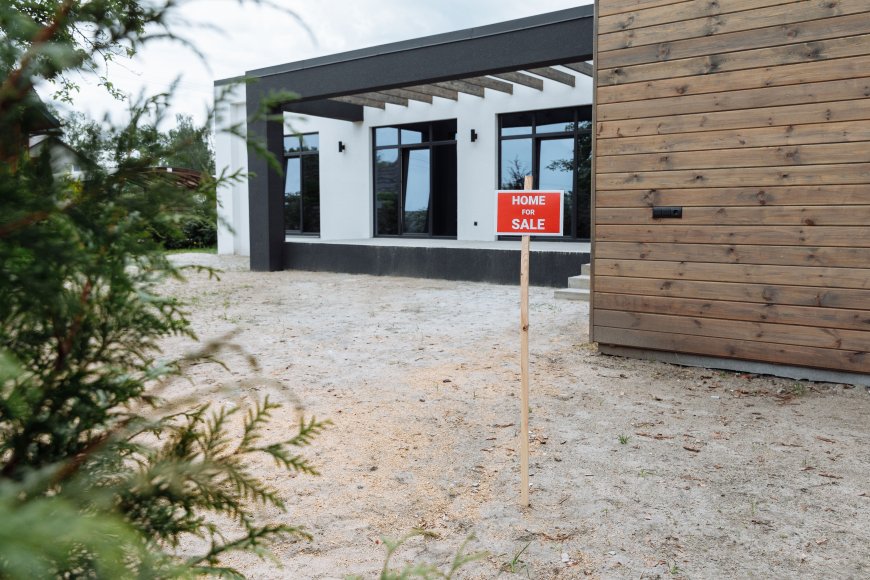
long before they sign a deed. These include:
-
The $10k Milestone: Saving your first $10,000 specifically for a home.
-
The Pre-Approval Victory: Getting that official letter from a lender.
-
The Debt-Free Milestone: Paying off a major loan to lower your DTI.
-
The Closing Day: The ultimate goal.
Recognizing these smaller wins keeps your motivation high during what can be a long and sometimes stressful journey.
10 FAQs for Future Homeowners
Q1: Is it still possible to buy a home with 3% down in 2026?
A: Yes! While many buyers are aiming higher to reduce monthly payments, FHA and some conventional programs still allow for low down payments. However, expect to pay Private Mortgage Insurance (PMI) until you reach 20% equity.
Q2: How much should I actually save for "hidden costs"?
A: Beyond the down payment, you should save an additional 2–5% of the home’s price for closing costs, inspections, and immediate repairs. Don't let a leaky faucet in week one break your bank!
Q3: Does my "side hustle" income count toward a mortgage?
A: Usually, yes—if you’ve been doing it for at least two years and have the tax returns to prove it. Lenders love consistency, so keep those receipts organized!
Q4: Should I pay off my car before applying for a mortgage?
A: It depends. If it significantly lowers your DTI, it could help. However, if it wipes out your down payment savings, it might hurt. Talk to a mortgage professional before making any massive payments.
Q5: What’s the "30% rule" I keep hearing about?
A: It’s a guideline suggesting your total housing costs (mortgage, insurance, taxes) shouldn't exceed 30% of your take-home pay.[3] It’s a great way to ensure you aren't "house poor."
Q6: Can I use my 401(k) for a down payment?
A: Many plans allow for a first-time homebuyer withdrawal or loan. While it's a quick way to get cash, remember you’re taking money away from your future retirement growth. Weigh the pros and cons carefully.
Q7: How long does the pre-approval process take in 2026?
A: Thanks to digital tools, you can often get a "soft" pre-approval in minutes. However, a full, verified pre-approval usually takes 2–5 business days as they review your documents.
Q8: Are interest rates expected to drop further this year?
A: Most finance gossips suggest stability rather than a massive drop. Waiting for a "perfect" rate can sometimes cost you more if home prices continue to rise in the meantime.
Q9: Do I really need a real estate agent, or can I just use Zillow?
A: In a shifting market, an agent is vital. They provide local insights, negotiation power, and access to "pocket listings" that aren't on the major apps yet. Plus, for buyers, the service is often free!
Q10: What happens if the home inspection fails?
A: It’s not necessarily a "fail," but rather a discovery process. You can ask the seller to make repairs, lower the price, or you can walk away if the issues are too severe. Always have an inspection contingency in your contract!
Final Thoughts
Preparing for homeownership in 2026 is as much about your mindset as it is about your bank account. By mastering these financial habits—and keeping an eye on the best homeownership milestones—you’ll be well-positioned to navigate the market with confidence. Start today, stay disciplined, and soon enough, you’ll be the one hosting the housewarming party!
What's Your Reaction?















