






























10 Symptoms of Clinical Depression in Adults
Through Instacare.pk, individuals can conveniently connect with qualified psychiatrists and psychologists across Pakistan for professional mental health evaluation, counseling, and treatment.

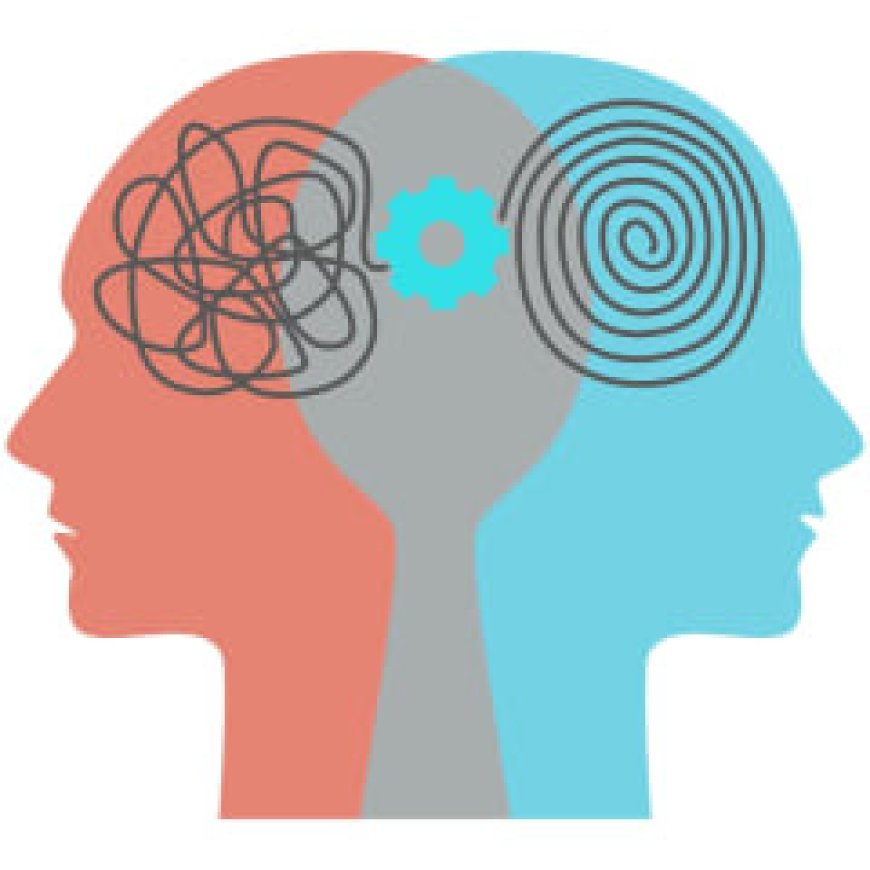
Clinical depression is more than feeling sad or having a bad day. It is a serious mental health condition that affects how a person thinks, feels, and behaves. Depression can interfere with daily activities, relationships, work performance, and physical health. According to mental health experts, clinical depression is one of the most common mental health disorders worldwide, affecting millions of adults regardless of age, gender, or background.
Recognizing the symptoms early is essential because timely diagnosis and treatment can significantly improve recovery. Many people delay seeking professional help because they mistake depression for stress, fatigue, or temporary emotional struggles. Understanding the warning signs can encourage individuals to seek appropriate care before symptoms worsen.
What Is Clinical Depression?
Clinical depression, also known as Major Depressive Disorder (MDD), is a medical condition characterized by persistent feelings of sadness, hopelessness, and loss of interest in activities that were once enjoyable. Unlike temporary emotional responses to life events, clinical depression lasts for at least two weeks and often requires professional treatment.
The condition can affect emotional, cognitive, physical, and social functioning. While the exact cause is not fully understood, depression is believed to result from a combination of genetic, biological, psychological, and environmental factors.
Why Early Recognition Matters
Depression often develops gradually, making it difficult for individuals to recognize the seriousness of their symptoms. Early diagnosis allows healthcare providers to recommend effective treatments such as psychotherapy, medication, lifestyle modifications, or a combination of these approaches.
Ignoring symptoms may increase the risk of worsening mental health, relationship difficulties, substance misuse, and other health complications. Recognizing the signs early can lead to faster recovery and improved quality of life.
1. Persistent Sadness or Low Mood
One of the most common symptoms of clinical depression is feeling persistently sad, empty, or hopeless. Unlike temporary sadness caused by stressful events, this low mood continues for most of the day, nearly every day, for at least two weeks.
Individuals may struggle to experience happiness even during positive situations and often feel emotionally numb or overwhelmed without a clear reason.
2. Loss of Interest in Daily Activities
People experiencing clinical depression frequently lose interest in hobbies, work, social gatherings, exercise, and activities they previously enjoyed.
This symptom, known as anhedonia, often causes individuals to withdraw from friends and family, making social isolation increasingly common.
3. Changes in Sleep Patterns
Depression commonly disrupts normal sleep habits. Some individuals experience insomnia, difficulty falling asleep, or frequent nighttime awakenings.
Others may develop hypersomnia, sleeping much longer than usual while still feeling tired throughout the day. Both insufficient and excessive sleep can worsen depressive symptoms.
4. Fatigue and Low Energy
Persistent tiredness is another hallmark symptom of depression. Even simple daily tasks such as showering, preparing meals, or going to work may feel physically exhausting.
This fatigue is not always relieved by rest because depression affects both mental and physical energy levels.
5. Changes in Appetite and Weight
Clinical depression may cause noticeable changes in eating habits. Some individuals lose interest in food and unintentionally lose weight.
Others may overeat, particularly comfort foods high in sugar and fat, resulting in significant weight gain. Both patterns can negatively impact overall health.
6. Difficulty Concentrating
Depression affects cognitive functioning, making it difficult to concentrate, remember information, or make decisions.
Individuals may find it challenging to complete work assignments, follow conversations, or stay focused while reading or watching television. These difficulties can reduce work performance and academic achievement.
7. Feelings of Worthlessness or Excessive Guilt
People with depression often develop negative thoughts about themselves. They may believe they are failures, burdens to others, or responsible for situations beyond their control.
Excessive guilt and low self-esteem frequently accompany depression and may persist despite reassurance from loved ones.
8. Restlessness or Slowed Movements
Some individuals become physically restless, pacing, fidgeting, or finding it difficult to sit still.
Others experience psychomotor slowing, where movements, speech, and thinking become noticeably slower than usual. Family members may recognize these changes before the affected individual does.
9. Social Withdrawal
Depression often causes people to avoid social interactions. Individuals may decline invitations, stop communicating with friends, or isolate themselves from family members.
This withdrawal can increase feelings of loneliness and make recovery more difficult without appropriate support.
10. Thoughts of Death or Suicide
One of the most serious symptoms of clinical depression involves recurring thoughts about death, self-harm, or suicide. Some individuals may feel life is no longer worth living or believe others would be better off without them.
These thoughts should always be treated as a medical emergency. Anyone experiencing suicidal thoughts should seek immediate help from a trusted family member, mental health professional, or emergency healthcare services.
What Causes Clinical Depression?
Several factors may contribute to the development of depression, including:
-
Family history of depression
-
Brain chemistry changes
-
Chronic medical conditions
-
Hormonal imbalances
-
Traumatic life experiences
-
Long-term stress
-
Substance misuse
-
Certain medications
Usually, depression develops through a combination of biological and environmental influences rather than a single cause.
How Is Clinical Depression Diagnosed?
Mental health professionals diagnose depression through comprehensive clinical evaluations. During the assessment, they discuss symptoms, medical history, family history, emotional well-being, and daily functioning.
In some cases, doctors may recommend laboratory tests to rule out medical conditions such as thyroid disorders or vitamin deficiencies that can produce similar symptoms.
Treatment Options
Clinical depression is highly treatable when diagnosed early. Treatment plans are individualized based on symptom severity and personal circumstances.
Common treatment options include:
-
Cognitive Behavioral Therapy (CBT)
-
Interpersonal Therapy (IPT)
-
Antidepressant medications
-
Lifestyle modifications
-
Regular exercise
-
Stress management techniques
-
Family support
-
Mindfulness practices
Many individuals benefit from combining psychotherapy with medication under professional supervision.
Lifestyle Habits That Support Recovery
Healthy daily habits can complement professional treatment and improve overall mental well-being.
Helpful lifestyle strategies include:
-
Maintaining regular sleep routines.
-
Eating balanced, nutritious meals.
-
Exercising regularly.
-
Limiting alcohol and recreational drugs.
-
Staying socially connected.
-
Practicing relaxation techniques.
-
Seeking emotional support from trusted individuals.
Although these habits may not replace professional treatment, they often improve recovery outcomes.
When Should You Seek Professional Help?
Anyone experiencing symptoms of depression lasting longer than two weeks should consult a qualified mental health professional. Early intervention can reduce symptom severity and prevent complications.
Immediate medical attention is essential if depression includes suicidal thoughts, self-harm behaviors, hallucinations, or inability to perform daily activities safely.
Access Mental Health Experts Through Instacare.pk
Finding qualified mental health support has become easier with Instacare.pk. The platform connects individuals with experienced psychiatrists, psychologists, and mental health specialists across Pakistan who provide comprehensive evaluation, counseling, psychotherapy, and medication management when needed. If you are looking for expert psychiatric care in Lahore, Dr. Arooj Fatima, an experienced psychiatrist available on Instacare.pk, offers professional assessment and evidence-based treatment for depression, anxiety, stress-related disorders, and other mental health conditions. Patients can compare specialist profiles, read verified patient reviews, schedule appointments online, and receive confidential mental healthcare tailored to their individual needs. Professional guidance helps individuals understand their symptoms, receive accurate diagnoses, and begin effective treatment plans that support long-term emotional well-being.
Conclusion
Clinical depression is a serious but highly treatable mental health condition that affects emotional, physical, and social well-being. Symptoms such as persistent sadness, loss of interest, sleep disturbances, fatigue, appetite changes, concentration difficulties, feelings of worthlessness, social withdrawal, and suicidal thoughts should never be ignored. Early recognition and professional treatment can significantly improve recovery and quality of life. By seeking timely support through Instacare.pk, individuals can connect with experienced mental health professionals who provide compassionate, evidence-based care and personalized treatment to help them regain emotional balance and lead healthier, more fulfilling lives.
What's Your Reaction?