






























Discover how software development, mobile applications, and UI/UX design help
Discover how software development, mobile applications, and UI/UX design help


What Makes a Digital Product Useful for Both Businesses and Customers?
Businesses invest in technology for different reasons. Some want to reach a wider audience, others need better ways to manage their operations, and many are looking for ways to improve the services they already offer. Whatever the reason, one thing remains the same: technology should make something easier, faster, or more effective.
A digital product can have an impressive interface and plenty of features, but that does not automatically make it successful. If customers struggle to use it or employees find it difficult to manage, the investment may not deliver the expected results.
Creating a useful digital solution requires more than coding. It involves understanding business requirements, choosing the right development approach, and making sure the final product works well for the people who depend on it.
Technology Should Fit the Way a Business Works
Every organisation has its own processes. A retail business may need better inventory management, while a service provider might want a simple booking system. A growing company may need to bring customer records, employee information, and reporting into one place.
Using the same ready-made tools for every situation does not always work. Sometimes, businesses need a solution designed around their specific requirements.
This is where custom software development becomes valuable. It allows companies to build functionality that matches their operations instead of adjusting their entire workflow to fit an existing system.
The process usually begins with understanding the problem, identifying essential features, and deciding how different parts of the system should work together. A clear plan helps developers focus on what matters instead of adding features that create unnecessary complexity.
It also makes future improvements easier. When the original requirements are properly understood, the software can be developed with room for additional users, integrations, and changing business needs.
Mobile Applications Can Bring Services Closer to Users
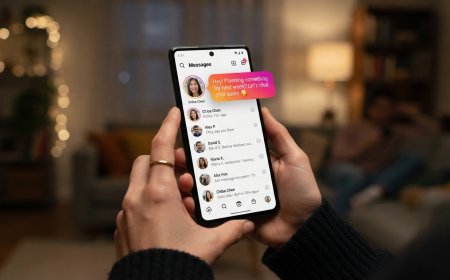
People increasingly expect to access services through their phones. They may want to book an appointment during a break, check information while travelling, or manage an account without contacting customer support.
For businesses, a mobile application can provide a convenient way to meet these expectations.
However, app development should begin with a clear purpose. Before deciding on features, businesses need to understand what users will actually do inside the application. Will they make bookings, receive updates, manage subscriptions, or access a particular service?
These questions help determine which features deserve priority.
Performance is equally important. Slow loading screens, frequent errors, and confusing navigation can discourage people from using an application, regardless of how useful its original idea might be.
Testing across supported devices, protecting user information, and planning regular updates should therefore be part of the development process. Launching an application is an important milestone, but maintaining its quality is an ongoing responsibility.
The Small Design Decisions That Shape User Experience
Think about the websites and applications you use regularly. You probably have a few favourites that feel easy to navigate, even if you have never thought about why.
Maybe the information is organised clearly. Perhaps the next step is always obvious, or the layout makes important options easy to find. These small details influence how people interact with a product.
That is the practical side of UI/UX design.
UI design deals with the visual presentation of a product, including its colours, typography, spacing, buttons, and screen layouts. UX design considers the wider experience, from the first interaction to the completion of a task.
Both disciplines require an understanding of the intended audience. A platform designed for business professionals may need a different structure from an application created for students or everyday consumers.
Designers can use wireframes, prototypes, and usability testing to identify potential problems before the product is fully developed. This gives teams an opportunity to improve the experience while changes are still relatively straightforward to make.
A successful interface does not need to be complicated to look modern. In many cases, consistency and clarity make a stronger impression than unnecessary visual effects.
Why Technical Quality and Good Design Belong Together
A product can be technically sound and still disappoint its users. Similarly, a beautiful design cannot compensate for broken functionality or unreliable performance.
The best results usually come when design and development decisions support each other throughout the project.
For example, a designer might suggest a feature that simplifies a customer's journey. Developers can then assess how to implement it efficiently without affecting performance or security. If a technical limitation exists, both sides can explore alternatives before the project moves forward.
This communication reduces the likelihood of major changes late in development.
It also helps businesses make better use of their budgets. When teams identify essential functionality early, they can focus resources on improvements that deliver real value instead of spending time correcting avoidable issues.
User feedback should not be ignored after launch, either. Analytics, customer comments, support requests, and usability observations can reveal where a product needs attention. Regular improvements help keep the experience relevant as expectations change.
Finding a Solution That Matches Your Goals
Choosing a technology partner is an important decision, particularly for businesses that do not have an in-house development team.
The cheapest option is not always the most practical, and a long list of technical features does not necessarily indicate a better solution. What matters is whether the team understands the business problem and can explain a realistic approach to solving it.
Before starting a project, discuss the expected outcomes, budget, delivery stages, maintenance requirements, and communication process. It is also worth asking how the team handles testing, security, and changes to the original requirements.
Businesses exploring digital solutions can look into Innovador Solutions, which offers services across software development, app development, and UI/UX design. These areas are relevant for organisations planning new digital products or looking to improve existing systems.
A productive working relationship should involve clear communication and practical recommendations. The development team should understand the priorities behind the project and help distinguish between features that are essential now and those that can wait.
Start With What Matters Most
There is no single digital solution that works for every business. The right approach depends on the audience, the problem being addressed, available resources, and the results the organisation wants to achieve.
Some projects may require a custom business platform, while others may benefit more from a mobile application or a redesigned user interface. Taking time to evaluate these options can prevent unnecessary spending and help teams make more informed decisions.
It is also sensible to begin with clear priorities rather than trying to build everything at once. A focused first version gives businesses something practical to test, while feedback can guide future improvements.
Ultimately, technology should serve a purpose beyond simply looking innovative. When functionality, performance, and user experience receive equal attention, digital products have a stronger foundation for long-term use.
The goal is not to add more technology to a business. It is to make technology work better for the people using it.
What's Your Reaction?