






























Transmission Engineering Solutions for Modern Power Systems
Discover advanced transmission engineering solutions, power system study services, and power station design expertise for reliable modern power networks.

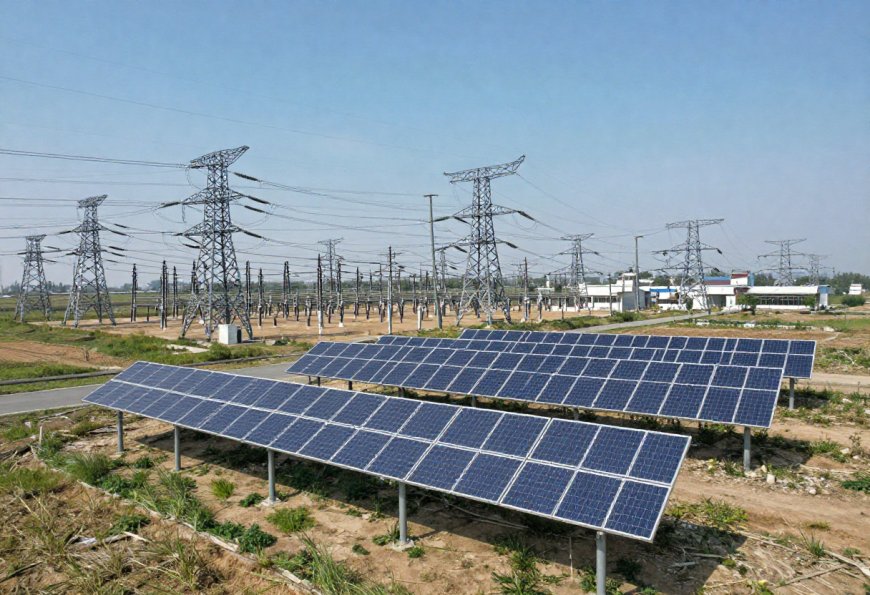
The global energy sector is rapidly evolving as utilities, industries, and governments strive to build smarter, more reliable, and sustainable power networks. Modern power systems face increasing challenges, including growing electricity demand, renewable energy integration, aging infrastructure, and stricter reliability standards. To address these challenges, transmission engineering has become a critical component in ensuring efficient power delivery from generation sources to end users.
Transmission engineering solutions provide the foundation for safe, reliable, and cost-effective power networks. From comprehensive power system study services to innovative power station design and grid expansion projects, engineering expertise plays a vital role in modernizing electrical infrastructure and supporting future energy needs.
The Importance of Transmission Engineering in Modern Power Systems
Transmission systems are responsible for transporting electricity over long distances from power generation facilities to substations and distribution networks. A well-designed transmission network minimizes power losses, improves reliability, and ensures stable operation under varying load conditions.
As power grids become more complex, transmission engineering solutions help utilities overcome operational challenges such as voltage instability, fault management, congestion, and renewable energy integration. Advanced engineering practices enable organizations to enhance grid performance while maintaining compliance with industry regulations and safety standards.
Modern transmission engineering encompasses planning, design, analysis, testing, commissioning, and asset management. Each stage contributes to building resilient infrastructure capable of meeting current and future energy demands.
Power System Studies: The Foundation of Reliable Network Design
A successful transmission project begins with a detailed power system study. These studies provide critical insights into system behavior under normal and abnormal operating conditions, helping engineers make informed decisions during planning and design phases.
Power system studies typically include:
Load Flow Analysis
Load flow studies evaluate voltage levels, power flows, and equipment loading throughout the network. This analysis helps identify potential bottlenecks and ensures efficient power transfer across the system.
Short Circuit Analysis
Fault studies determine fault current levels and equipment ratings required to safely withstand electrical disturbances. Proper short circuit analysis is essential for selecting protective devices and maintaining system reliability.
Protection Coordination Studies
Protection systems must operate quickly and selectively during faults. Coordination studies ensure protective devices function correctly to isolate faults while minimizing service interruptions.
Stability Analysis
Stability studies assess the ability of the power system to remain operational following disturbances such as generator outages, transmission line faults, or sudden load changes.
By conducting comprehensive power system studies, engineers can optimize network performance, reduce risks, and support long-term infrastructure planning.
Designing Transmission Networks for Future Growth
Modern transmission engineering focuses not only on current requirements but also on future expansion and technological advancements. Utilities must develop infrastructure capable of accommodating increasing energy demand, distributed generation, and renewable energy sources.
Key considerations in transmission network design include:
- Route selection and corridor planning
- Transmission line voltage optimization
- Environmental and regulatory compliance
- Grid reliability and redundancy requirements
- Renewable energy integration
- Future load growth projections
Advanced modeling tools allow engineers to simulate various operating scenarios and identify the most effective design solutions. This proactive approach reduces project risks and improves overall system performance.
As nations continue investing in energy infrastructure, strategic transmission planning becomes essential for creating flexible and resilient power networks.
Power Station Design and Grid Integration
Effective power station design is closely linked to transmission engineering. Whether developing conventional generation facilities, renewable energy plants, or hybrid power systems, engineers must ensure seamless integration with the transmission network.
A well-executed power station design considers several critical factors:
Electrical System Architecture
Engineers design generation, protection, control, and auxiliary systems to support reliable plant operation and grid compliance.
Substation Integration
Power stations require carefully engineered substations that facilitate efficient power transfer between generation facilities and transmission networks.
Grid Connection Studies
Detailed analyses evaluate the impact of new generation sources on existing transmission infrastructure. These studies help determine connection requirements and system upgrades.
Reliability and Safety
Power station design incorporates redundancy, protection schemes, and operational safeguards to maintain continuous service and protect critical assets.
By integrating transmission engineering principles into power station development, organizations can maximize operational efficiency and ensure stable power delivery.
Technology Driving Modern Transmission Engineering
Technological advancements are transforming how transmission systems are designed, monitored, and maintained. Digitalization and automation are enabling utilities to improve operational visibility and respond more effectively to changing grid conditions.
Some of the most impactful technologies include:
Smart Grid Solutions
Smart grid technologies provide real-time monitoring and control capabilities that enhance reliability and operational efficiency.
Digital Substations
Digital substations improve communication, reduce wiring complexity, and support advanced automation functions.
Advanced Monitoring Systems
Condition monitoring solutions help utilities detect equipment issues before failures occur, reducing downtime and maintenance costs.
Renewable Energy Integration Tools
Sophisticated simulation and forecasting technologies support the reliable integration of solar, wind, and other renewable resources into transmission networks.
These innovations allow utilities to optimize asset performance while supporting the transition toward cleaner energy systems.
Benefits of Professional Transmission Engineering Services
Partnering with experienced transmission engineering professionals offers numerous advantages for utilities, developers, and industrial organizations.
Key benefits include:
- Improved power system reliability
- Enhanced operational efficiency
- Reduced project risks and delays
- Compliance with industry standards
- Optimized equipment utilization
- Support for renewable energy integration
- Long-term infrastructure sustainability
Engineering expertise ensures that every aspect of a transmission project is carefully planned and executed to achieve maximum value and performance.
Conclusion
The future of energy depends on robust, efficient, and adaptable transmission infrastructure. As power systems become increasingly complex, advanced transmission engineering solutions play a crucial role in ensuring reliable electricity delivery and supporting sustainable growth.
Through comprehensive power system study services, innovative power station design, and forward-thinking transmission planning, organizations can build resilient networks capable of meeting evolving energy demands. By investing in modern engineering solutions, utilities and developers can enhance grid reliability, improve operational efficiency, and create a stronger foundation for the power systems of tomorrow.
What's Your Reaction?