
































Which Technologies Do Indian Software Teams Know Best? A Plain-English Stack Guide
Buyers often hear that Indian teams cover every technology under the sun. That is partly true and partly marketing.

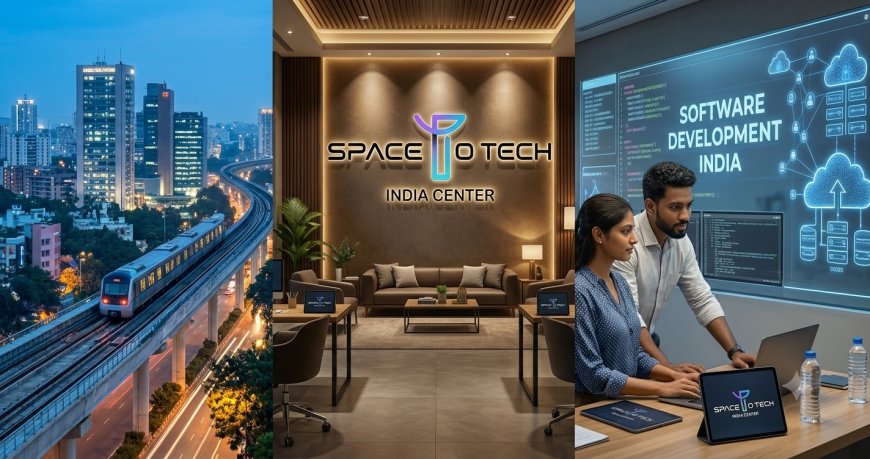
Buyers often hear that Indian teams cover every technology under the sun. That is partly true and partly marketing. A better question is which technologies a specific team has shipped in production, and whether those match what your product needs.
This guide explains the main stacks that appear in Indian software development services, what each is good for, and how to ask the right questions so you hire for fit instead of buzzwords. It is written for US founders and product leaders who are not deep technologists.
How to Think About a Technology Stack
A stack is the set of languages, frameworks, databases, and cloud tools used to build a product. The right choice depends on your product, your team, and your future hiring needs, not on what is fashionable.
Favor mature technologies with large communities. They make hiring easier, reduce risk, and keep maintenance cheaper over the years.
Java: The Enterprise Workhorse
Java powers a huge share of enterprise systems, especially in banking, insurance, and large internal platforms. It is known for stability, strong tooling, and a deep talent pool.
Choose Java when you need long-lived, high-volume systems with strict reliability expectations.
Python: Data, AI, and Fast Backends
Python is popular for backend services, automation, and data work. It is also the main language for machine learning, which makes it a natural choice when your product will use AI features.
Teams working in Python often combine web frameworks with data libraries, so one group can build both the product and the intelligence behind it.
PHP and Ruby: Proven Web Languages
PHP still powers a large part of the web, including many content and ecommerce platforms. Ruby is valued for rapid development and clean conventions, especially for early-stage products.
Both can be good choices for the right product, though talent pools differ. Ask your partner why they would recommend either for your case.
JavaScript Frameworks: React, Angular, Vue, and Node.js
JavaScript dominates modern web interfaces. React, Angular, and Vue build front ends, while Node.js runs the server side. Using JavaScript across the stack lets small teams move quickly and share code.
Mobile: Native and Cross-Platform
Swift and Kotlin build native iOS and Android apps. Flutter and React Native let one team ship to both platforms from a single codebase, which lowers cost and speeds delivery.
Native is usually the better choice for graphics-heavy or hardware-intensive apps. Cross-platform suits most business apps, from marketplaces to dashboards.
Cloud, DevOps, and Data
Cloud platforms such as AWS and Azure host most modern products. DevOps practices, including automated pipelines, monitoring, and cost control, keep releases predictable. Big data and analytics layers turn raw records into decisions.
Ask how a team controls cloud cost from the first prototype. Usage-based bills can surprise teams at launch.
AI, Machine Learning, and Blockchain
AI services range from chatbots and recommendation engines to forecasting and workflow automation. Blockchain work covers areas such as asset tracking, tokenization, and secure records.
Both are specialist areas. Ask for live examples and references before hiring, and start with one narrow, measurable use case.
Questions That Reveal Real Depth
-
Which of these technologies has your team shipped in production, and can I see examples?
-
Why do you recommend this stack for my product, and what alternatives did you consider?
-
How many engineers with this skill are on staff, and who would be assigned to me?
-
How do you handle code review, testing, and security in this stack?
-
What happens to my project if a key engineer leaves?
Match Stack to Project Type
-
Enterprise platform with heavy integration: Java or similar mature stacks.
-
Product with AI features: Python plus a cloud data layer.
-
Consumer or business app for both phones: Flutter or React Native.
-
Content or commerce site: PHP-based platforms or JavaScript frameworks.
-
Real-time dashboards or SaaS: Node.js with a modern front end.
Do Not Hire for the Logo Wall
A long technology list on a website says little about depth. Ask for engineers' actual experience, repository access during a pilot, and a technical interview with the people who will do the work. A short paid trial exposes gaps that no brochure will.
Where Specialization Shows Up
Specialization usually reflects a firm's history. A company with years of mobile projects will be stronger in mobile than one that mainly builds portals. When you search for software development India providers, look past the technology list and ask what share of recent work used the stack you need.
Testing and Quality Tools
Whatever the stack, quality depends on testing. Look for automated unit and integration tests, regression suites, performance checks, and security scans in the pipeline. Ask for a sample test report and for how critical bugs block a release.
Security Practices by Stack
Each stack has its own common weaknesses. Web applications need protection against injection and cross-site attacks. Mobile apps need secure storage and certificate pinning. Cloud setups need careful access policies. Ask how the team follows recognized guidance such as the OWASP standards and who reviews code for security issues.
Pair a Lead With Specialists
A strong pattern is one senior lead who owns architecture, supported by specialists in each area. The lead keeps the whole system coherent, while specialists go deep. Ask who plays the lead role on your project and how long they have worked with the rest of the team.
Keep a Technology Decision Record
Write down why you chose each major technology, which alternatives you considered, and what would trigger a change. Future engineers, investors, and partners will ask, and a short record saves long debates.
Match the Stack to Your Team Size
Small teams benefit from fewer technologies, because every extra tool adds learning and maintenance. A startup may do well with one JavaScript stack across web and server, or one cross-platform framework for mobile. Larger organizations can support more variety, but they pay for it in complexity.
Common Stack Mistakes
-
Choosing a trendy tool with a thin talent pool.
-
Mixing many languages when one would do.
-
Ignoring long-term maintenance and hiring needs.
-
Skipping automated tests and monitoring.
-
Letting a vendor choose a stack that only they can support.
Ask for a Written Rationale
Before the build starts, ask your partner for a short document that explains the proposed stack, the alternatives considered, the risks, and the cost of switching later. Good teams produce one quickly. The exercise forces clear thinking, and the document becomes a reference for everyone who joins the project later.
Plan for Upgrades
Frameworks and libraries release new versions every year. Agree on how dependencies will be updated, who tests the changes, and how security patches are handled. A stack that is never upgraded becomes a liability, however good it looked at launch.
Working With a Full-Stack Team
SpaceToTech is a Noida-based software and mobile app development company serving clients in the US, UK, UAE, Australia, and India. Its engineers work across web, mobile, cloud, and AI, and the team is happy to explain stack choices in plain language. If you want a recommendation, you can share your product idea with SpaceToTech and ask for a written rationale.
The best stack is the one your product needs today and your team can maintain tomorrow.
What's Your Reaction?