































Reliable Power Grids Start with Smart Transmission Line Design

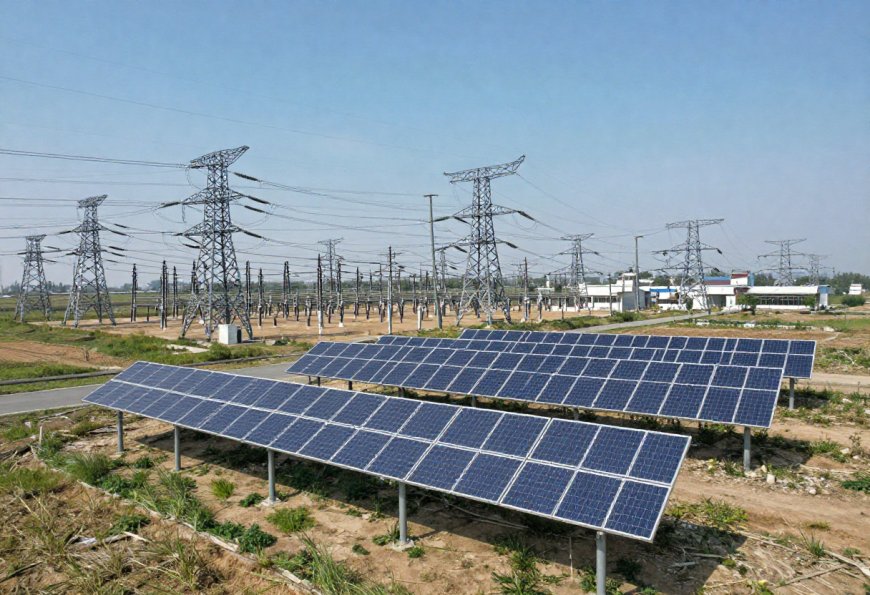
Electricity powers nearly every aspect of modern life, from homes and hospitals to manufacturing plants and data centers. While power generation often receives the spotlight, the infrastructure responsible for transporting electricity across vast distances is equally important. At the heart of this infrastructure lies transmission line design, a specialized engineering discipline that ensures electricity moves safely, efficiently, and reliably from generation sources to consumers.
As utilities expand renewable energy integration and electricity demand continues to grow, well-planned high-voltage transmission lines have become more important than ever. Effective transmission engineering minimizes power losses, improves system reliability, enhances safety, and prepares the electrical grid for future challenges.
In this article, we'll explore why transmission line design is essential and how it contributes to building a resilient, efficient, and sustainable power grid.
Understanding Transmission Line Design
Transmission line design is the engineering process of planning, analyzing, and constructing electrical transmission systems that transport electricity over long distances. Engineers carefully evaluate electrical, structural, environmental, and economic factors to create systems capable of operating reliably under varying conditions.
A comprehensive transmission line design considers:
- Voltage level selection
- Route planning
- Conductor sizing
- Tower and pole design
- Mechanical loading analysis
- Grounding and lightning protection
- Insulation coordination
- Environmental and regulatory compliance
Each decision directly impacts system reliability, project costs, maintenance requirements, and long-term operational performance.
Why Reliable Transmission Infrastructure Matters
Electric power systems rely on continuous energy delivery. Any interruption in transmission can affect thousands—or even millions—of customers. Proper transmission engineering reduces the likelihood of outages while improving the grid's ability to respond to changing operating conditions.
Some key benefits include:
Improved Grid Reliability
Carefully engineered transmission networks maintain stable voltage levels and reduce the risk of cascading failures. Strong system planning ensures electricity continues flowing even during equipment failures or unexpected demand changes.
Lower Transmission Losses
Electrical losses increase operating costs over time. Optimized conductor selection, efficient routing, and proper voltage design help minimize energy losses across long transmission distances.
Increased System Capacity
Growing populations, industrial expansion, and renewable energy projects require transmission systems capable of carrying larger electrical loads. Modern transmission engineering helps utilities expand capacity without sacrificing reliability.
Enhanced Operational Flexibility
Well-designed transmission networks provide operators with multiple power flow options, allowing maintenance activities and emergency responses without significantly disrupting service.
Key Elements of Successful Transmission Engineering
High-quality transmission engineering requires balancing technical performance with cost efficiency and long-term reliability. Several engineering considerations play a major role in successful projects.
Route Selection
Choosing the optimal transmission corridor involves evaluating terrain, environmental impacts, property constraints, accessibility, and future expansion opportunities. An efficient route reduces construction costs while minimizing environmental disruption.
Conductor Selection
Conductors determine the transmission line's electrical performance. Engineers evaluate current-carrying capacity, mechanical strength, thermal characteristics, and long-term durability before selecting appropriate conductor types.
Structural Design
Transmission towers and poles must withstand wind, ice, earthquakes, and other environmental loads throughout their service life. Proper structural analysis ensures safe operation under both normal and extreme conditions.
Electrical Performance Studies
Before construction begins, engineers perform load flow analysis, short-circuit studies, insulation coordination, and stability assessments. These studies verify that new transmission facilities will integrate seamlessly with the existing power network.
The Growing Importance of High-Voltage Transmission Lines
The global transition toward renewable energy has dramatically increased the importance of high-voltage transmission lines. Solar farms, wind power plants, and hydroelectric facilities are often located far from major population centers, requiring efficient long-distance electricity transmission.
High-voltage systems offer several advantages:
- Reduced transmission losses over long distances
- Higher power transfer capability
- Improved voltage regulation
- Lower operating costs per unit of transmitted energy
- Better support for large-scale renewable integration
As electricity demand rises, utilities increasingly depend on modern high-voltage infrastructure to maintain reliable service while supporting clean energy goals.
Common Challenges in Transmission Line Design
Designing transmission systems involves addressing numerous technical and environmental challenges.
Environmental Considerations
Engineers must account for wetlands, forests, wildlife habitats, protected areas, and local regulations. Environmental assessments help minimize ecological impacts while ensuring regulatory compliance.
Extreme Weather
Climate-related events such as hurricanes, wildfires, heavy snow, and extreme heat place additional demands on transmission infrastructure. Modern designs incorporate stronger materials and improved structural resilience to withstand severe weather.
Right-of-Way Constraints
Securing land for transmission corridors can be complex. Engineers work closely with planners, regulatory agencies, and stakeholders to develop practical routing solutions that balance technical requirements with community concerns.
Aging Infrastructure
Many existing transmission systems were constructed decades ago. Modern transmission engineering includes upgrading aging assets to improve reliability, increase capacity, and extend operational life.
The Future of Transmission Engineering
Digital technologies are transforming how transmission systems are designed, monitored, and maintained. Advanced software tools enable engineers to create highly accurate models before construction begins, reducing project risks and improving design quality.
Emerging innovations include:
- Digital twins for infrastructure modeling
- AI-assisted engineering analysis
- Drone-based transmission inspections
- Real-time condition monitoring
- Smart sensors for predictive maintenance
- Advanced weather forecasting integration
These technologies allow utilities to detect potential issues earlier, optimize maintenance schedules, and improve long-term system reliability.
As renewable generation, electrification, and energy storage continue expanding, transmission engineering will remain one of the most critical disciplines supporting modern power infrastructure.
Conclusion
Reliable electricity delivery begins with intelligent transmission line design. Every aspect—from conductor selection and structural analysis to route optimization and electrical studies—plays a vital role in maintaining safe, efficient, and dependable power systems.
Modern transmission engineering enables utilities to build resilient infrastructure capable of meeting growing energy demands while integrating renewable resources and adapting to changing environmental conditions. Properly designed high-voltage transmission lines not only improve grid reliability but also reduce operational costs, enhance safety, and support long-term sustainability.
Organizations investing in professional transmission engineering gain infrastructure designed for performance, resilience, and future expansion. As the electrical industry continues to evolve, high-quality transmission line design will remain the foundation of a stronger and more reliable power grid.
What's Your Reaction?