































Plastic Household Items Manufacturer and Product Insights

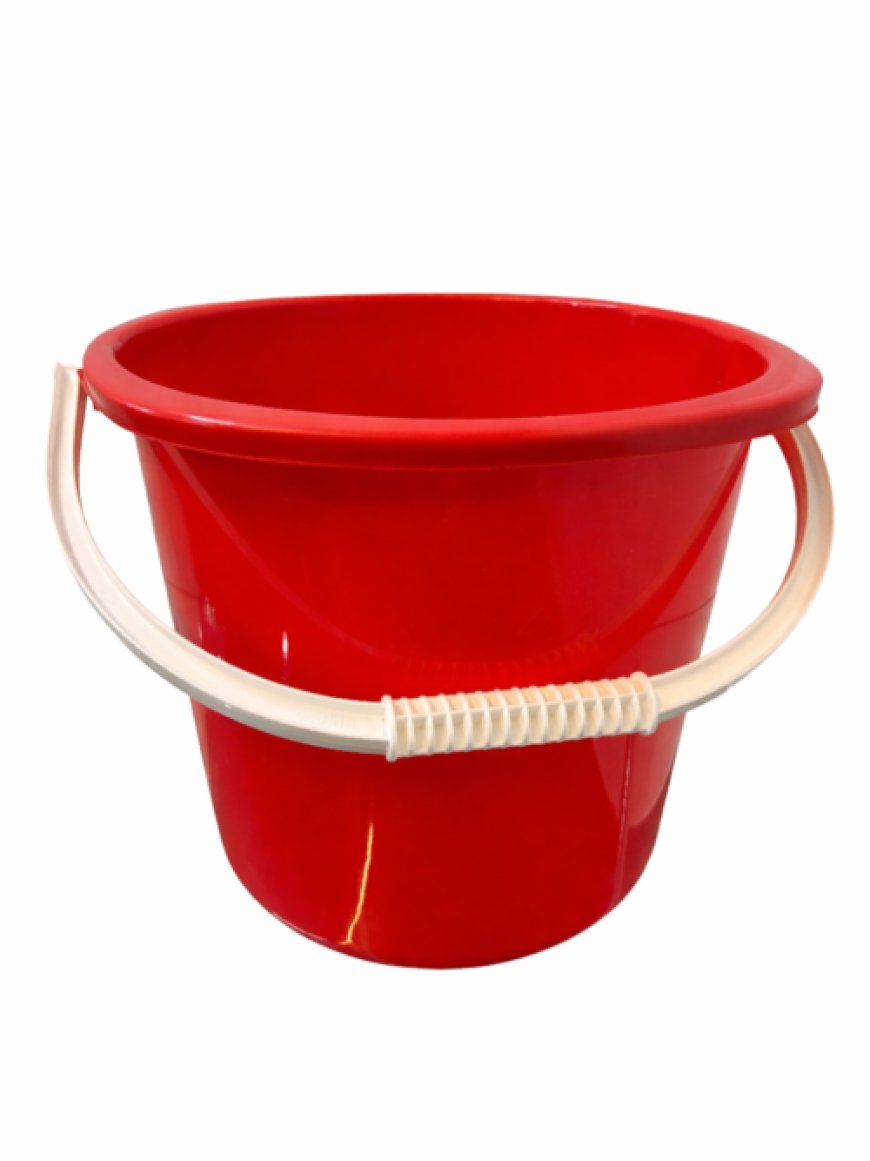
Plastic household products have become an important part of everyday life. From kitchen storage containers to buckets, baskets, chairs, and utility items, plastic products are found in almost every home. These products are popular because they are lightweight, durable, affordable, and easy to maintain.
As consumer needs continue to change, the role of a plastic household items manufacturer has become more important than ever. Manufacturers are constantly developing innovative products that improve convenience, organization, and functionality in homes. Understanding how these products are made and what factors influence their quality can help consumers make better purchasing decisions.
This article explores the household plastic manufacturing industry, product categories, manufacturing processes, quality standards, and future trends that are shaping the market.
Understanding Plastic Household Products
Plastic household products are everyday items designed for use in homes. These products are manufactured using different types of plastic materials and are available in a wide variety of designs, sizes, and colors.
Common household plastic products include:
- Storage containers
- Water bottles
- Buckets and mugs
- Laundry baskets
- Dustbins
- Kitchen organizers
- Plastic trays
- Chairs and stools
- Food storage boxes
- Bathroom accessories
- Hangers
- Utility baskets
These products offer practical solutions for daily household activities while maintaining affordability.
The Role of a Plastic Household Items Manufacturer
A plastic household items manufacturer is responsible for designing, producing, testing, and distributing plastic products for residential use. Manufacturers focus on creating products that meet consumer expectations in terms of durability, safety, appearance, and functionality.
The responsibilities of manufacturers include:
Product Design
Manufacturers analyze market trends and consumer requirements before designing new products. Modern designs focus on convenience, space-saving features, and attractive aesthetics.
Material Selection
Different plastic materials are selected based on the intended use of the product. The material must provide the required strength, flexibility, and safety standards.
Production Management
Manufacturers use advanced machinery and automated systems to ensure efficient production while maintaining product consistency.
Quality Control
Strict quality checks help ensure that products are durable, safe, and free from manufacturing defects.
Distribution
Manufacturers supply products to wholesalers, retailers, distributors, and online marketplaces to reach customers across different regions.
Types of Plastic Materials Used in Household Products
The quality of household products largely depends on the type of plastic used during manufacturing.
Polypropylene (PP)
Polypropylene is widely used for household products because it is:
- Lightweight
- Durable
- Heat-resistant
- Chemical-resistant
- Safe for food storage applications
It is commonly used in containers, baskets, storage boxes, and kitchenware.
High-Density Polyethylene (HDPE)
HDPE is known for its strength and durability. It is commonly used for:
- Buckets
- Water containers
- Laundry baskets
- Household storage bins
Polyethylene Terephthalate (PET)
PET is frequently used for:
- Water bottles
- Food packaging
- Storage containers
It offers excellent transparency and durability.
Acrylonitrile Butadiene Styrene (ABS)
ABS plastic is valued for its toughness and attractive finish. It is often used in premium household products and accessories.
Polyvinyl Chloride (PVC)
PVC is commonly found in:
- Household utility products
- Organizers
- Bathroom accessories
Its versatility makes it suitable for various applications.
Manufacturing Process of Plastic Household Products
The production of plastic household items involves several important stages.
1. Product Design and Development
The process begins with conceptualizing and designing the product. Computer-aided design (CAD) software is often used to create precise product models.
2. Mold Creation
A mold is developed according to the product design. The mold determines the shape, dimensions, and features of the final product.
3. Raw Material Preparation
Plastic granules are selected and prepared for manufacturing. Color pigments and additives may be mixed to achieve the desired appearance and performance.
4. Injection Molding
Injection molding is one of the most common methods used in manufacturing household plastic products.
During this process:
- Plastic is heated until it melts.
- The molten plastic is injected into a mold.
- The material cools and solidifies.
- The finished product is removed from the mold.
This method provides high precision and consistency.
5. Finishing Operations
Products undergo finishing processes such as:
- Trimming excess material
- Surface polishing
- Printing or branding
- Decorative enhancements
6. Quality Inspection
Every batch is tested to ensure compliance with quality standards before being packaged and shipped.
Key Features Consumers Look for in Plastic Household Products
Modern consumers expect more than basic functionality. Several factors influence purchasing decisions.
Durability
Products should withstand daily use without cracking, breaking, or losing shape.
Lightweight Design
Lightweight products are easier to handle and transport.
Attractive Appearance
Consumers often prefer products that complement modern home interiors.
Easy Maintenance
Plastic products should be easy to clean and maintain.
Space Efficiency
Stackable and compact designs help save valuable storage space.
Safety
Food-grade and non-toxic materials are essential for products used in kitchens and food storage.
Advantages of Plastic Household Products
Plastic products remain highly popular because they offer several benefits.
Cost-Effective
Plastic products are generally more affordable than alternatives made from metal, wood, or glass.
Long Service Life
High-quality plastic products can remain functional for many years.
Corrosion Resistance
Unlike metal products, plastic does not rust or corrode.
Variety of Designs
Plastic manufacturing allows the creation of countless shapes, sizes, and colors.
Easy Transportation
The lightweight nature of plastic reduces transportation costs and handling difficulties.
Moisture Resistance
Plastic products perform well in humid environments such as kitchens, bathrooms, and laundry areas.
Quality Standards in Plastic Manufacturing
Quality plays a major role in consumer satisfaction and product reliability.
Manufacturers typically focus on several quality parameters.
Strength Testing
Products are tested for their ability to withstand pressure and weight.
Impact Resistance
Testing ensures products can handle accidental drops and rough handling.
Heat Resistance
Kitchen products often undergo heat resistance testing.
Dimensional Accuracy
Products must maintain consistent size and shape specifications.
Material Safety
Manufacturers ensure that food-contact products meet applicable safety requirements.
Color Consistency
Uniform color enhances product appearance and brand reputation.
Innovations in Household Plastic Products
Technology is helping manufacturers create smarter and more efficient products.
Smart Storage Solutions
Modern storage products feature:
- Modular designs
- Stackable systems
- Multi-purpose compartments
Ergonomic Designs
Products are designed for improved comfort and ease of use.
Multi-Functional Products
Consumers increasingly prefer products that serve multiple purposes while saving space.
Enhanced Durability
Advanced materials improve product lifespan and resistance to wear and tear.
Modern Aesthetics
Manufacturers now focus on stylish designs that match contemporary home decor.
Sustainability in Plastic Manufacturing
Environmental responsibility has become a major focus for manufacturers worldwide.
Use of Recyclable Materials
Many manufacturers are increasing the use of recyclable plastic materials.
Waste Reduction
Efficient manufacturing processes help reduce production waste.
Energy-Efficient Production
Modern machinery consumes less energy while maintaining high productivity.
Product Recycling Initiatives
Some companies encourage customers to recycle used plastic products responsibly.
Eco-Friendly Product Development
Manufacturers continue exploring sustainable solutions without compromising quality and durability.
Factors to Consider When Choosing Household Plastic Products
Consumers should evaluate several factors before purchasing plastic household items.
Product Quality
Choose products made from high-quality materials that offer long-term durability.
Intended Use
Select products specifically designed for their intended purpose.
Safety Standards
Look for products made from non-toxic and food-safe materials when required.
Brand Reputation
Established manufacturers often maintain higher quality standards.
Design and Functionality
Products should provide practical benefits while meeting household needs.
Value for Money
The product should balance quality, durability, and affordability.
Future Trends in the Plastic Household Industry
The household plastic products industry continues to evolve rapidly.
Some important trends include:
Increased Product Customization
Consumers increasingly seek products that match their personal preferences and home decor.
Sustainable Manufacturing
Environmental awareness is encouraging more responsible production methods.
Smart Home Integration
Future products may incorporate features that support smart home systems.
Advanced Material Technology
New materials are expected to improve durability, flexibility, and environmental performance.
Growing Demand for Premium Products
Consumers are showing greater interest in attractive, high-quality household products with enhanced functionality.
Conclusion
Plastic household products continue to play a vital role in modern homes because of their convenience, affordability, and versatility. A reliable plastic household items manufacturer focuses on quality materials, efficient production methods, innovative designs, and customer satisfaction to meet changing consumer demands.
As the industry embraces technological advancements and sustainable manufacturing practices, consumers can expect even better household solutions in the future. Companies such as Duha Industries contribute to this growing sector by manufacturing household plastic products designed to support everyday living while maintaining quality and functionality.
What's Your Reaction?