


























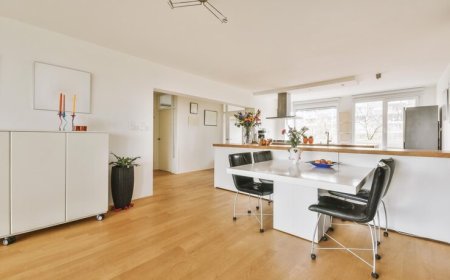




Office Furniture for Modern Workspaces That Support Better Work

A workplace should be designed around the people who use it every day. Office furniture can influence comfort, organization, productivity, and the overall appearance of a business. Desks, chairs, cabinets, conference tables, reception counters, and storage solutions each have a specific role in creating a functional environment. When these elements are selected carefully, employees can move through their daily responsibilities more easily while visitors experience a professional setting. Businesses should therefore look beyond color and appearance when furnishing an office. The size of the workspace, employee requirements, type of work, available budget, durability, and future expansion should all be considered before making a purchase.
Understand How Employees Use the Space
Every workplace operates differently. Some companies require employees to focus on individual tasks, while others depend heavily on meetings, teamwork, and communication. Understanding these activities is the first step toward creating an effective furniture arrangement.
Individual work areas should provide enough room for computers, documents, and other essential equipment. Teams that regularly collaborate can benefit from shared work areas or dedicated discussion zones. Managers may require private offices with additional storage and space for visitors. Reception areas need a different arrangement because they must accommodate both staff and guests.
By studying how employees use the office, businesses can avoid unnecessary furniture and create spaces that support actual working habits. This approach can also make the office easier to navigate and reduce wasted floor space.
Choose Workstations Carefully
A workstation should give employees enough room to complete their daily tasks without creating clutter. The size of the desk should match the equipment being used and the amount of paperwork employees handle.
For businesses with open layouts, benching systems can provide several workstations within one area. Individual desks can offer more personal space, while modular units can be rearranged as departments grow or change.
Businesses should also consider where power outlets and network connections are located. Proper planning can prevent cables from stretching across walkways or creating untidy work areas. A well-designed workstation should make technology easy to access while maintaining a clean appearance.
Prioritize Supportive Seating
A desk is only part of an employee's workstation. Seating also deserves careful attention because employees can spend long periods sitting while completing their responsibilities.
An adjustable chair can help users find a comfortable working position. Features such as back support, adjustable height, suitable cushioning, and arm support can make a difference during long working sessions.
Different office areas may require different seating solutions. Employees may need ergonomic task chairs, meeting participants may require comfortable conference chairs, and visitors may need simple yet supportive reception seating.
Comfort should be treated as an essential part of workplace planning rather than an optional feature. When seating is suitable for daily use, employees can work in a more comfortable environment.
Make Every Square Foot Useful
Office space can be expensive, so businesses should make careful use of every available area. Furniture that is too large can restrict movement, while furniture that is too small may not provide enough functionality.
Before arranging furniture, businesses should identify entrances, windows, walkways, electrical points, and frequently used areas. Desks should be positioned so employees have sufficient space to move around them. Storage should be located where it is accessible without interrupting nearby work.
Smaller workplaces can benefit from compact desks, vertical shelving, mobile pedestals, and multi-purpose tables. Larger offices can divide their floor area into dedicated zones for individual work, meetings, teamwork, and breaks.
A thoughtful layout can make an office feel more spacious without requiring additional floor area.
Keep Work Areas Organized
An organized office creates a better environment for employees and visitors. Without sufficient storage, paperwork, stationery, equipment, and personal items can quickly take over desks and shared spaces.
Storage cabinets, drawers, shelving systems, filing units, and pedestals can help keep essential items in their proper places. Frequently used materials should be stored close to employees, while less frequently accessed items can be placed in larger shared storage areas.
Businesses should also consider whether documents require secure storage. Confidential paperwork may need lockable cabinets, while general supplies can be kept in easily accessible units.
A well-planned storage system helps maintain clear work surfaces and makes it easier for employees to locate what they need.
Create Areas for Collaboration
Not every task needs to happen at an individual desk. Employees often need to exchange ideas, review projects, hold short discussions, or work together on presentations.
A dedicated collaboration area can support these activities without disturbing employees who require quiet concentration. A compact table with comfortable chairs may be enough for a small team, while larger businesses may create separate meeting rooms.
Flexible furniture can make these spaces more useful. Tables and chairs that can be moved allow the same area to accommodate different group sizes and activities. This can be especially valuable for businesses with limited space.
Plan a Professional Reception
The reception area can shape a visitor's first impression of the company. It should be easy to understand, comfortable, and consistent with the business's overall appearance.
A reception desk should provide enough working space for staff while maintaining clear visibility of the entrance. Visitor seating should be comfortable and positioned so that it does not interfere with movement.
Storage can also be incorporated into the reception area to keep paperwork and supplies organized. The furniture style should complement the company's identity without making the area appear excessive or crowded.
A clean and carefully arranged reception area can communicate professionalism before a visitor even speaks with an employee.
Select Materials for Regular Use
Workplace furniture must cope with repeated use. Desks are used every day, chairs are moved and adjusted frequently, and storage units are opened and closed many times.
Quality materials and reliable construction can help furniture remain functional for longer. Businesses should consider the strength of frames, quality of surfaces, hardware, finishes, and maintenance requirements when comparing different options.
The initial price should not be the only consideration. Furniture that requires frequent repairs or replacement may become more expensive over time. A durable product can provide better value by reducing the need for frequent upgrades.
Easy maintenance is another advantage. Furniture that can be cleaned quickly can help busy workplaces maintain a neat appearance.
Choose a Style That Reflects the Business
Workplace design can communicate a company's personality. A coordinated selection of furniture can make an office feel more polished and organized.
Businesses can choose furniture based on their industry and preferred atmosphere. Clean and simple designs may suit contemporary companies, while traditional finishes may work well for professional environments. Natural textures can create warmth, while neutral colors can provide a professional foundation.
The objective is not to make every piece identical. Instead, businesses can use complementary materials, shapes, or finishes to create a consistent look throughout the workplace.
A balanced design can make employees feel comfortable while giving visitors a clear impression of the company's professionalism.
Consider Technology Requirements
Technology is central to most modern workplaces, so furniture should accommodate the equipment employees use. Computers, monitors, phones, printers, charging devices, and presentation systems all require suitable placement.
Desks should provide enough room for screens and accessories without becoming overcrowded. Conference rooms should have convenient access to power and display equipment. Cable-management solutions can help keep technology connections organized.
As technology changes, flexible furniture can make future upgrades easier. Businesses should avoid arrangements that make it difficult to replace equipment or modify workstations.
Prepare for Business Growth
Furniture planning should consider what the workplace may need in the future. A company with a growing workforce may need additional workstations, storage, and meeting space.
Modular furniture can make expansion easier because individual pieces can be rearranged or added when required. Mobile storage and flexible tables can also support changes in department structure.
Planning for growth can prevent businesses from replacing large quantities of furniture every time the workplace changes. It allows companies to make gradual adjustments instead.
Create a Better Employee Environment
Employee experience should remain central to workplace planning. Comfortable workstations, supportive chairs, accessible storage, and suitable shared areas can make daily work more convenient.
Businesses can also provide different types of spaces for different activities. Quiet areas can support concentration, while collaborative zones can encourage communication. Break areas can give employees somewhere to step away from their desks during short periods of rest.
Listening to employee feedback can make furniture decisions more effective. Employees can identify problems with existing desks, chairs, storage, and layouts and suggest improvements based on their everyday experiences.
Make a Practical Long-Term Investment
Selecting Office furniture should involve more than choosing attractive products. Businesses need solutions that provide comfort, functionality, durability, and suitable use of space. The right choices can support employees while improving the professional appearance of the workplace.
Companies should evaluate the size of their office, working methods, number of employees, storage requirements, technology, and future plans before making decisions. This can help prevent unsuitable purchases and create a more efficient environment.
Good furniture planning can also support long-term business goals. When workstations, meeting areas, reception spaces, and storage solutions are selected as part of one overall plan, the office can feel more connected and easier to manage.
Final Thoughts
The right Office furniture can influence how comfortably employees work and how effectively a business uses its available space. From practical workstations and supportive seating to organized storage and professional reception areas, every element should contribute to the overall purpose of the workplace.
Businesses should focus on quality, usability, design, and adaptability rather than selecting furniture based only on appearance or price. A carefully planned office can remain functional as employee needs change and the company grows. For businesses considering suitable workplace furnishing options, Office furniture express can be included in the search for solutions that support a comfortable and professional office environment.
What's Your Reaction?