




























Kraft Boxes vs Regular Packaging: What Makes Them Different?
Compare Kraft boxes and regular packaging to understand their differences in appearance, branding, durability, and product presentation.

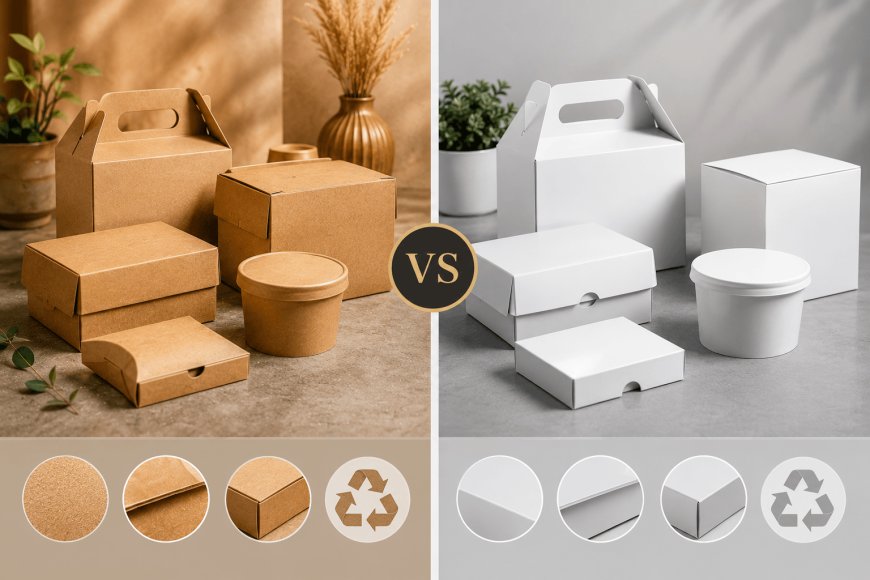
Packaging plays a major role in how products are protected, presented, and perceived by customers. Whether you sell food products, candles, cosmetics, gifts, clothing, or retail items, the type of packaging you choose can influence customer experience and even purchasing decisions. Among the many packaging options available today, kraft boxes have become increasingly popular. At the same time, many businesses continue to use traditional or regular packaging for various products. This often leads to an important question: what is the difference between kraft boxes and regular packaging? While both serve the purpose of protecting products, they differ in appearance, material characteristics, branding opportunities, and overall presentation. Understanding these differences can help businesses choose packaging that best matches their products and brand identity.
Understanding Kraft Boxes and Regular Packaging
Before comparing the two, it is important to understand what each packaging type typically represents. Custom kraft boxes are made from kraft paper material that is known for its natural appearance and strong fiber structure. Regular packaging generally refers to standard packaging materials that may include coated paperboard, white cardboard, corrugated packaging, or other commonly used packaging formats.
Both options can protect products effectively, but they create different impressions and offer unique advantages depending on business goals.
Appearance and Visual Style
One of the most noticeable differences between kraft packaging and regular packaging is appearance. Kraft boxes are recognized for their natural brown color and simple texture. This gives them a clean, authentic, and minimalist look that many modern brands prefer.
Regular packaging often uses bright white surfaces, glossy finishes, colorful coatings, or highly polished designs. These packaging styles can create a more traditional retail appearance and are often chosen when brands want bold visual impact.
The choice between the two often depends on how a company wants customers to perceive its products.
Brand Personality and Customer Perception
Packaging communicates a message about the brand. Kraft boxes often create an image of simplicity, authenticity, and professionalism. Their natural appearance appeals to customers who appreciate clean and understated presentation.
Regular packaging can offer a wider range of visual effects and may be preferred by brands looking for luxury finishes, vibrant graphics, or highly decorative designs. Both options can support branding successfully, but they communicate different styles and personalities.
Material Strength and Durability
Kraft paper is known for its strong fibers, which help create durable packaging. This strength makes kraft boxes suitable for retail products, food items, candles, cosmetics, and shipping applications.
Regular packaging materials can also provide excellent protection depending on the specific material used. Corrugated packaging, rigid boxes, and coated paperboard all offer varying levels of durability. The strength difference often depends more on packaging construction than appearance alone.
Businesses should choose packaging based on the protection requirements of their products rather than appearance alone.
Customization Options
Both kraft boxes and regular packaging can be customized with logos, product information, graphics, and branding elements. However, the final appearance differs significantly.
Custom printing on kraft boxes creates a natural and sophisticated look that works well with minimalist branding styles. Many businesses use simple black printing, subtle colors, and clean designs to complement the kraft material.
Regular packaging provides greater flexibility for high-gloss finishes, bright colors, metallic effects, and detailed printing techniques. Brands seeking highly decorative packaging often choose traditional materials for this reason.
Product Presentation
The way a product is presented can affect customer perception. Kraft packaging often creates a handcrafted, premium, and authentic feel. Many boutique brands, specialty retailers, bakeries, and candle companies choose kraft boxes because they help products feel more personal and carefully packaged.
Regular packaging can create a more polished retail appearance, especially when combined with luxury finishes or colorful branding. Both styles can be effective depending on the target audience and product category.
Versatility Across Industries
Kraft boxes are widely used for food packaging, bakery items, candles, soaps, cosmetics, apparel, gifts, and subscription boxes. Their simple design works across many industries.
Regular packaging remains common in electronics, luxury products, cosmetics, pharmaceuticals, toys, and mass-market retail products. Because of its wide variety of materials and finishes, regular packaging can adapt to many different branding requirements.
Cost Considerations
Packaging costs vary depending on material, printing, quantity, and customization requirements. Kraft boxes are often considered a cost-effective option because they combine durability and branding potential without requiring extensive finishing processes.
Regular packaging costs can vary significantly depending on the complexity of the design, special coatings, printing techniques, and structural requirements. Businesses should evaluate packaging costs alongside branding goals and product needs.
Which Option Is Right for Your Business?
The best choice depends on the image you want to create and the needs of your products. If your goal is to achieve a clean, natural, and professional presentation, kraft boxes may be an excellent fit. If your brand relies on bold colors, luxury finishes, or highly decorative designs, regular packaging may provide greater creative flexibility.
Many successful businesses choose packaging based on customer expectations rather than trends alone. The right packaging should protect products, support branding, and create a positive customer experience.
Choosing Packaging That Supports Your Brand
Boxo Packaging helps businesses create packaging solutions that combine product protection, branding, and professional presentation. Both kraft boxes and regular packaging offer valuable advantages, but they serve different branding and presentation goals. By understanding the differences between these packaging styles, businesses can make informed decisions that strengthen their brand image and improve customer experience while ensuring products are presented in the best possible way.
Do Candle Boxes Need Inserts?
If you sell candles, you've probably come across packaging options that include inserts. Many candle brands wonder whether inserts are really necessary or if a standard box is enough. The answer depends on the type of candle you sell, how the product is shipped, and the experience you want to create for customers.
While not every candle box requires an insert, they can provide significant benefits in terms of product protection, presentation, and customer satisfaction. For many businesses, inserts are a simple addition that helps prevent damage and improve the overall quality of the packaging.
What Do Inserts Do Inside Candle Boxes?
Inserts are designed to hold the candle securely inside the box. They create a snug fit that reduces movement during storage, transportation, and delivery. This added stability can be especially important for candles packaged in glass jars or decorative containers.
Protect Glass Candles from Damage
Many candles are sold in glass jars, which can crack or break if they shift inside the packaging. Inserts help keep the candle in place and provide extra protection against bumps and impacts. For businesses that ship candles directly to customers, inserts can help reduce product damage and replacement costs.
Improve Product Presentation
Inserts do more than protect products. They also improve how candles are displayed when customers open the box. A candle that sits neatly in place creates a more organized and premium appearance. This can enhance the unboxing experience and make the product feel more valuable.
Useful for Gift Packaging
Candle packaging is frequently purchased as gifts. Premium gift packaging often includes inserts because they help create a luxury presentation while keeping the product secure. Customers appreciate packaging that looks thoughtful and professionally designed.
Not Every Candle Requires an Insert
Smaller candles, lightweight products, or candles sold in sturdy containers may not always need inserts. If the box fits perfectly and the product remains secure during handling, an insert may not be necessary. However, businesses should always consider shipping conditions and customer expectations before deciding.
A Smart Addition for Many Candle Brands
Boxo Packaging helps candle businesses create packaging solutions that combine protection, branding, and presentation. Candle box inserts are not mandatory for every product, but they can provide valuable benefits for brands that want extra protection and a more premium customer experience. For many candle companies, inserts are a worthwhile investment that helps products arrive safely and look their best.
What's Your Reaction?