
































Inside a Nasha Mukti Kendra: Breaking Down the Treatment Process

Taking the first step toward addiction recovery is one of the most courageous decisions a person—or their family—can make. Yet, for many, the phrase Nasha Mukti Kendra brings a heavy wave of anxiety. What actually happens behind closed doors? Is it a clinical, cold hospital setup, or something entirely different?
When searching for a trusted rehab centre near me, most families look for hope but find confusion instead. To ease your mind, let’s pull back the curtain. A modern, professional de-addiction and rehabilitation center is not a place of restriction or punishment. It is a structured, deeply empathetic healing environment designed to help individuals safely navigate substance dependency, heal their minds, and rebuild a lasting, drug-free life.
Here is an honest, step-by-step breakdown of how the comprehensive recovery process works inside a premium drug de-addiction centre.
Step 1: Admission and Complete Medical Assessment
No two paths to substance abuse are identical, which means recovery cannot follow a one-size-fits-all formula. The journey at a professional rehabilitation centre begins with an initial intake and a thorough screening process to understand the individual's unique physical and psychological needs.
Upon arrival, a specialized clinical team of doctors, psychiatrists, and addiction counselors conduct a comprehensive medical and psychological evaluation. This includes:
- Physical Health Screening: Checking vital signs, blood panels, and organ function to understand the physical toll of prolonged chemical dependency.
- Dependency Mapping: Gauging the severity and duration of the addiction (whether dealing with chronic alcoholism, illicit drugs, or prescription medicines).
- Dual Diagnosis Check: Identifying any co-occurring mental health conditions, like depression, trauma, or anxiety, that might be driving the addictive behavior.
This detailed pre-assessment helps the medical staff design a highly customized, individualized addiction treatment plan tailored specifically to the patient’s body and mind.
Step 2: Medically Supervised Detoxification (Detox)
Once the blueprint is mapped out, the physical cleansing begins. This is the critical phase where the body naturally clears itself of harmful toxins.
For someone struggling with severe alcohol dependence or chemical addiction, stopping "cold turkey" can cause intense, uncomfortable, and sometimes dangerous withdrawal symptoms—such as severe anxiety, tremors, insomnia, or intense nausea.
Safety First: Inside a licensed Nasha Mukti Kendra, detox is never unassisted. It is always performed under strict, round-the-clock medical supervision. Experienced medical staff administer approved medications to minimize discomfort, ease physical cravings, and manage health risks safely, laying a secure foundation for the next stages.
Step 3: Psychological Counselling and Evidence-Based Therapy
While detox cleanses the physical body, addiction is a complex psychological condition deeply rooted in the brain. Once a patient is physically stable, the real core work begins. Psychological counseling and mental health interventions are the true engines of long-term sobriety.
A professional drug rehabilitation centre utilizes a combination of evidence-based therapies to heal the emotional self:
Individual Therapy & CBT
One-on-one sessions using Cognitive Behavioral Therapy (CBT) help patients identify their personal emotional triggers, unpack underlying trauma, and unlearn negative habit loops.
Group Therapy Sessions
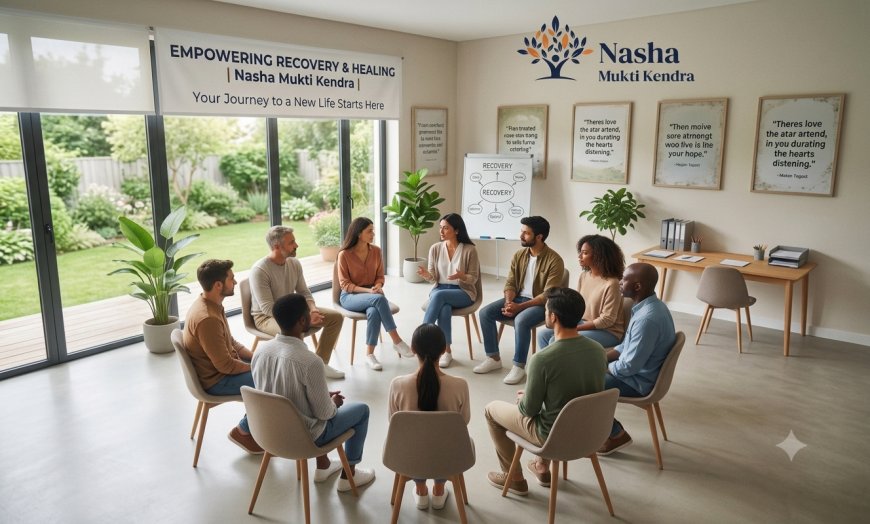
Facilitated group sessions create a powerful, judgment-free space. Interacting with peers facing identical struggles reduces isolation, provides social support, and builds communication confidence.
Behavioral Care & Coping Mechanisms
This focuses heavily on practical, real-world skills: impulse control, stress management, anger management, and healthy ways to handle life's pressures without turning back to a substance.
Step 4: Holistic Healing and Inpatient Lifestyle Restructuring
True recovery requires completely rewriting one's daily routine. Because idleness can invite old cravings, an inpatient residential program places immense value on a highly structured daily schedule filled with holistic care and positive engagement.
Patients participate in daily practices designed to restore peace and equilibrium to both mind and body:
- Yoga and Meditation: Daily morning sessions to regain emotional grounding, improve mental focus, and naturally reduce stress hormones.
- Nutritious Diet Plan: Customized, balanced meals to repair nutritional deficiencies and physical damage caused by long-term substance misuse.
- Skill Building & Recreational Activities: Art, music, sports, and educational tasks that keep the brain positively engaged. This helps individuals rediscover genuine joy and healthy dopamine boosts without substances.
Step 5: Family Involvement and Addressing Societal Stigma
In Indian society, family is an individual's primary support system—but addiction is a family disease that deeply impacts the entire household. Because family members can sometimes inadvertently enable addictive behaviors out of love, or harbor deep-seated resentment, family counseling is an essential pillar of long-term recovery.
Therapy sessions bring families together to:
- Mend broken trust and heal old wounds.
- Learn healthy communication skills and set emotional boundaries.
- Address the intense shame, guilt, and societal stigma surrounding addiction.
These specialized sessions play a critical role in educating loved ones that dependency is a treatable chronic brain disease, rather than a character flaw or a moral failure.
Step 6: Relapse Prevention and Long-Term Aftercare Support
The real test of recovery begins when a patient leaves the structured, safe environment of the rehab centre. Therefore, the final phase inside the facility is dedicated to rigorous relapse prevention training. Patients learn practical refusal skills, how to handle social pressure, and emergency coping mechanisms for handling sudden, intense cravings.
Before discharge, a solid aftercare support plan is put into action so the individual remains connected to the recovery community through:
- Regular outpatient counseling sessions and check-ups.
- Telephonic guidance and emergency crisis support hotlines.
- Alumni meetups and local addiction support group meetings.
Healing is a Journey, Not a Destination
A professional Nasha Mukti Kendra provides the safe space, expert medical care, and daily discipline required to break the heavy chains of dependency. It bridges the gap between despair and a purposeful, healthy life.
Whether you are looking into an alcohol addiction treatment program or a comprehensive drug rehab, remember that seeking professional help is a sign of immense strength. Full recovery is entirely possible, safe, and highly effective.
What's Your Reaction?