




























How to Make the Most of Your Time in Makkah and Madinah
Make the most of your Umrah journey with practical tips for managing time, booking Nusuk permits, choosing comfortable hotels and staying healthy. Enjoy a peaceful and well-planned pilgrimage in Makkah and Madinah.

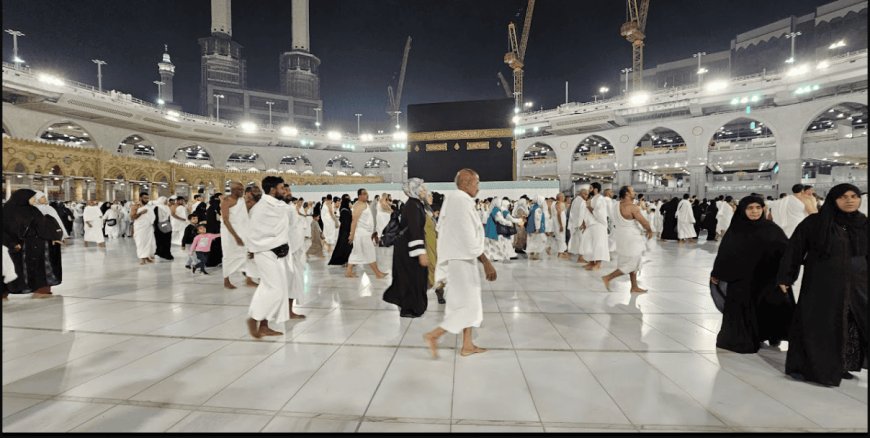
You make the most of your time in Makkah and Madinah by protecting three things: your energy, your bookings and your focus. Pilgrims who arrive rested, sort their permits in advance and keep their days simple usually spend more time on worship and less on logistics.
This guide is practical, not devotional. For how to perform the rites, learn from a qualified teacher. What follows is how to organise your days so that you can do them well.
Sort permits before you arrive
Entry to the holy mosques is controlled through the Nusuk app, so do not leave permits to the last minute.
-
Umrah permit. International pilgrims need a permit to enter the Grand Mosque in Makkah and the Prophet's Mosque in Madinah, and it is booked through the Nusuk app, according to Gulf News. The app lets you choose a time slot, with some slots busier than others.
-
Rawdah visit. The Saudi authorities say visitors must reserve a visit to Al-Rawdah Al-Sharifa through the Nusuk app before arriving. Gulf News reports that there is an instant booking option and a waitlist if no slots are available, subject to capacity limits.
Ask your operator whether they handle bookings, and keep your confirmations where you can open them offline.
Plan your first day to be slow
Flights, queues and check-in often take longer than you expect, and many pilgrims arrive tired. Build in rest before your first visit to the mosque.
-
Eat and drink something
-
Rest, even for a couple of hours
-
Learn the route to the mosque before you need it
-
Agree a meeting point with your family
A calm start sets the tone for the rest of the trip.
Divide your time sensibly between the two cities
Most packages divide nights between Makkah and Madinah, but the order and number of nights vary. Ask your operator for the plan, then think about:
-
Travel between cities. Transfers take time. Fewer moves usually means more rest.
-
Permits and bookings. Rawdah visits and permits depend on available slots, so build in some flexibility.
-
Your health. If someone in your group tires easily, a longer stay in one city may suit them.
There is no single correct split. Choose what fits your priorities and energy.
Keep days simple
Overpacked days are the most common mistake. A simple structure helps:
-
Fix the essentials. Decide what matters most each day, such as prayers, a particular rite or a Rawdah visit.
-
Leave gaps. Rest between activities, as the Ministry of Hajj and Umrah advises resting after each ritual.
-
Treat extras as optional. Visits to historic sites and shopping can wait if you are tired.
-
Review each evening. Adjust the next day based on how everyone feels.
Where you stay shapes your time
The walk between your hotel and the mosque affects how often you can pray there, how easily you can rest between prayers and how tired you feel. A short, flat route saves energy for older relatives, young children and anyone with health needs.
Pilgrims who prioritise proximity and comfort sometimes look at 5 star Umrah Packages alongside other categories, then weigh the extra cost against what they will really use. Whatever the star rating, ask for the walking time in minutes, the gate it is measured to and whether the route has steps or crossings.
Look after your body
Good worship needs a body that can keep up.
-
Fluids. The Ministry advises drinking fluids regularly, avoiding long sun exposure and resting after each ritual.
-
Heat. GOV.UK warns that summer temperatures in Saudi Arabia may exceed 50°C. Plan outdoor time for cooler parts of the day.
-
Hygiene. The Ministry recommends washing hands often, covering coughs and sneezes and wearing a mask in crowded places.
-
Feet. Wear comfortable, well-worn footwear and treat blisters early.
-
Medicines. Carry what you need, with documents. GOV.UK says to bring a GP letter for controlled medicines.
GOV.UK also notes that contagious diseases spread quickly in crowds, and that flu, colds and respiratory problems are common.
Be a considerate pilgrim
Crowded spaces work better when everyone is patient. The Ministry reminds visitors to keep the area clean, use bins and respect others' space. Avoid bringing large bags, sharp tools or flammable items into the Grand Mosque, and note that wheelchairs must use the designated entrances.
Keep your phone charged, your hotel's address on you and your permits easy to find.
Visits beyond the mosques
Many pilgrims also visit historic sites in both cities. If you do, choose a reputable guide, go at cooler times and keep the schedule light. Ask what is included in your package so you do not pay twice.
Make time for reflection
Not everything useful happens at the mosque. A few quiet minutes in your room, a short walk when you feel strong or a conversation with a family member can add depth to the trip. Many pilgrims find it helpful to keep a notebook for dua and reflections.
Leaving well
Allow time for packing, check-out and the journey to the airport. Keep your documents together and confirm flight times. Leaving calmly makes the end of the trip as peaceful as the beginning.
A sample day to adapt
Every pilgrim's days will look different, but a simple shape can help you avoid rushing. Treat this as an example, not a rule.
-
Early morning: prayer at the mosque, then breakfast and a rest.
-
Late morning: a quiet period for reflection, laundry or a short walk if you feel strong.
-
Afternoon: rest, drink water and prepare for the next prayer.
-
Evening: prayer, a light meal and an early night.
If you are tired, drop the optional parts first. The essentials of your trip matter more than filling every hour.
Questions to ask your operator before you travel
-
How many nights do we spend in each city, and in which order?
-
Who books the permits and the Rawdah visit, and when?
-
How far is each hotel from the mosque on foot, and which gate is it measured to?
-
What guided visits are included, and are they optional?
-
Who do we call if a booking changes or someone becomes unwell?
FAQs
How long should I spend in each city? It depends on your package, your health and your priorities. Ask your operator for the plan and what flexibility exists.
Do I need to book the Rawdah visit in advance? The Saudi authorities say visitors must reserve through the Nusuk app before arriving. Check the app for current rules and available slots.
What is the best time of day to visit the mosques? Crowds vary. Ask your operator, notice your own energy and avoid pushing through exhaustion.
What's Your Reaction?