






























How to Choose a Reliable Frozen Food Exporter from India
Learn how to choose a reliable frozen food exporter from India by evaluating product quality, food safety, packaging, cold-chain, export experience, and pricing.

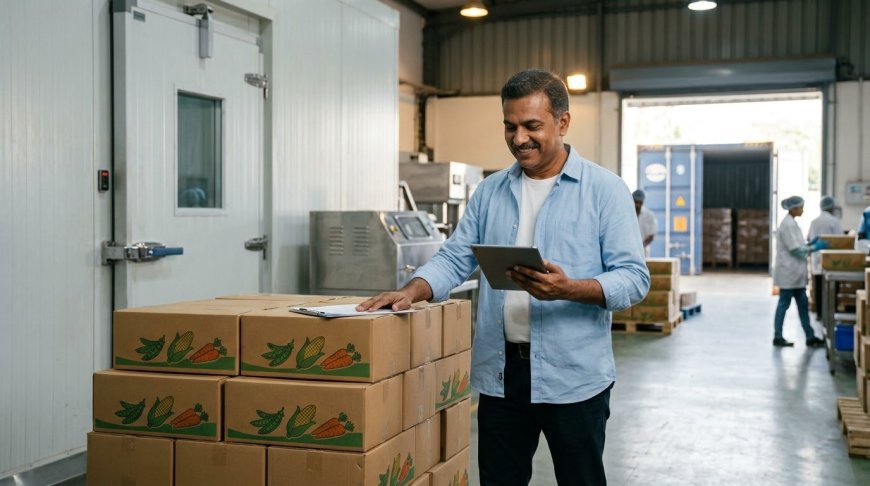
International demand for frozen food continues to create new sourcing opportunities for distributors, importers, restaurants, retailers, and foodservice businesses. Products such as frozen French fries, hash browns, potato nuggets, patties, veggie fingers, and other ready-to-cook snacks offer practical advantages for commercial kitchens. However, choosing the right supplier requires more than comparing product prices. Buyers need to evaluate quality, food safety, packaging, export experience, communication, supply reliability, and total landed cost before establishing a long-term business relationship.
India has become an important sourcing destination for processed food products, supported by its agricultural resources and expanding food-processing sector. For an international buyer, finding a dependable Indian manufacturer can simplify procurement while providing access to diverse frozen snack categories. Whether you are importing for retail distribution or purchasing for a restaurant chain, a structured supplier evaluation process can help you identify a business capable of meeting your product and market requirements.
Why Does Choosing the Right Frozen Food Exporter Matter?
Frozen food moves through a supply chain that requires careful coordination. The product must remain suitable for consumption from manufacturing and storage through transportation and final delivery.
A supplier's responsibilities may involve much more than producing the food. Buyers may also need support with:
-
Product specifications
-
Packaging
-
Labeling
-
Export documentation
-
Order planning
-
Shipment coordination
-
Product samples
-
Quality information
-
Commercial communication
A supplier that communicates clearly and understands international requirements can make the purchasing process easier to manage.
Check the Exporter's Product Portfolio
Start by identifying whether the supplier offers the products your business actually needs.
A broad frozen snack portfolio may include:
-
Frozen French fries
-
Frozen hash browns
-
Potato nuggets
-
Veggie fingers
-
Customized frozen snacks
A diverse portfolio can be useful when a distributor wants to purchase multiple products from one supplier. However, variety should not replace quality evaluation. Review each product individually and determine whether its specifications match your market.
Does the Product Fit Your Market?
Consider factors such as:
-
Consumer preferences
-
Portion sizes
-
Product format
-
Cooking method
-
Packaging requirements
-
Retail or foodservice application
A product that performs well in one market may require adjustments for another.
Request Product Samples Before a Large Order
Samples provide an opportunity to evaluate a product before committing significant purchasing funds.
When reviewing samples, consider:
-
Appearance: Does the product have a consistent size, shape, and overall appearance?
-
Texture: Does it provide the texture your customers expect after preparation?
-
Cooking Performance: Does the product perform consistently according to the recommended preparation method?
-
Taste: Does the flavor profile suit your intended market?
A sample evaluation should ideally involve the people who will actually use or sell the product, such as chefs, quality teams, procurement managers, or product development staff.
Review Food Safety and Quality Documentation
Food safety should remain a central part of supplier evaluation. International buyers may need documentation based on their destination country's regulations and the type of product being imported.
Ask the exporter for relevant documentation and verify that it corresponds to the products you intend to purchase.
Depending on the market and supplier, buyers may review:
-
Food safety documentation
-
Product specifications
-
Ingredient information
-
Allergen information
-
Applicable certifications
-
Testing or quality records
-
Manufacturing information
Do not assume that a certification or document applies to every product automatically. Confirm the scope and validity before relying on it.
Evaluate Manufacturing and Supply Capability
A supplier may provide excellent samples but still struggle to maintain consistent supply at commercial volumes.
Ask practical questions about:
-
Production capability
-
Order scheduling
-
Lead times
-
Product availability
-
Seasonal considerations
-
Repeat-order planning
-
Custom product requirements
The objective is not simply to find a manufacturer that can complete one shipment. International buyers generally need a supplier capable of supporting repeat business.
Why Does Supply Consistency Matter?
Imagine a distributor introduces a frozen snack into several retail locations and the product suddenly becomes popular. If the supplier cannot maintain regular supply, the distributor may face empty shelves and disappointed customers.
Therefore, evaluate future supply requirements before finalizing a sourcing relationship.
Examine Packaging Options
Packaging plays an important role in frozen food distribution. It needs to protect the product while also meeting commercial and regulatory requirements.
Discuss whether the exporter can support:
-
Retail packaging
-
Foodservice packs
-
Bulk packaging
-
Customized labels
-
Market-specific labeling
-
Different pack sizes
International buyers should also confirm whether the packaging information meets the requirements of the destination market.
Understand Cold-Chain Requirements
Frozen food depends on appropriate temperature-controlled storage and transportation. Buyers should understand how the exporter handles frozen products before shipment and how responsibilities are divided during transportation.
Ask questions such as:
-
How are finished products stored?
-
How is the shipment prepared?
-
What packaging is used?
-
Who coordinates transportation?
-
What documentation accompanies the shipment?
-
What responsibilities does the importer have after arrival?
Cold-chain planning should be considered before negotiating the final commercial arrangement.
Compare Total Landed Cost Instead of Product Price Alone
A low factory price does not necessarily mean a low overall purchasing cost.
International buyers should calculate the total landed cost by considering several expenses.
Typical Cost Components
These may include:
-
Product price
-
Packaging
-
Freight
-
Insurance
-
Import duties
-
Taxes
-
Port and handling charges
-
Local transportation
-
Storage
-
Other applicable fees
Comparing these elements gives buyers a more realistic understanding of supplier economics.
Assess the Exporter's Communication
Communication often determines how smoothly an international order progresses.
Pay attention to how quickly and clearly the supplier responds to questions about:
-
Product specifications
-
Samples
-
Pricing
-
Packaging
-
Documentation
-
Production timelines
-
Shipping
-
Customization
A supplier should be able to explain important commercial details without creating unnecessary confusion.
Ask Specific Questions
Instead of asking, “Can you export this product?” ask:
-
What export markets do you currently serve?
-
What product specifications are available?
-
What packaging formats can you provide?
-
What documentation can you supply?
-
What is the expected production timeline?
-
Can you support customized requirements?
Specific questions produce more useful answers.
Consider the Exporter's Experience with International Buyers
Experience can matter because international orders involve requirements that domestic transactions may not.
An experienced exporter may already understand processes involving international documentation, shipping coordination, packaging, and communication with overseas buyers.
However, buyers should still verify claims rather than selecting a supplier based solely on how long it has been in business.
Ask for relevant information about previous export activity and the markets the supplier serves, where appropriate.
Look for Customized Frozen Food Solutions
International markets can differ considerably. A distributor in one country may require a different pack size or product format from a restaurant group in another.
If customization matters to your business, discuss it early.
Potential areas include:
-
Product specifications
-
Pack sizes
-
Packaging
-
Labeling
-
Product formats
-
Customized frozen snack concepts
Early discussions can help both parties determine whether the requirement is commercially practical.
Review the Supplier's Product Range Carefully
A reliable exporter should be able to provide clear information about each product rather than presenting only a general product list.
For example, if you are sourcing frozen potato snacks, compare:
-
Frozen French Fries: Consider cut, size, cooking performance, packaging, and intended application.
-
Frozen Hash Browns: Evaluate format, portion size, preparation method, and target menu application.
-
Potato Nuggets and Patties: Review shape, specifications, ingredients, packaging, and commercial use.
-
Frozen Veggie Fingers: Check ingredients, product format, preparation instructions, and suitability for your intended market.
The objective is to match the product with your customers rather than simply choosing the largest available portfolio.
Verify Regulatory Requirements in the Destination Market
Import requirements vary between countries. Before placing an order, the buyer should identify applicable rules concerning food safety, labeling, ingredients, allergens, packaging, customs, and import documentation.
Do not rely entirely on the supplier to determine every requirement. Importers should understand their own regulatory responsibilities and work with appropriate local professionals when necessary.
How ChillFill Foods Supports International Buyers
ChillFill Foods is a frozen food business based in Morbi, Gujarat, India, offering ready-to-cook frozen potato and vegetable snacks for international markets. Its product portfolio includes frozen French fries, hash browns, potato nuggets, potato patties, veggie fingers, and customized frozen snacks.
For businesses researching a frozen food exporter in India, ChillFill Foods provides a product range designed for distributors, importers, restaurants, and foodservice businesses. International buyers can evaluate its product categories according to their market requirements, packaging needs, and commercial applications.
Frequently Asked Questions
What should I check first when choosing an Indian frozen food exporter?
Start with the product portfolio, product specifications, samples, food safety documentation, packaging options, export experience, supply capability, and destination-market requirements.
Should I request samples before placing an order?
Yes. Samples allow buyers to assess appearance, taste, texture, cooking performance, and suitability for their intended market before committing to larger quantities.
How can I compare two frozen food exporters?
Compare product specifications, quality documentation, packaging, minimum order requirements, communication, supply capability, export experience, and total landed cost rather than comparing product prices alone.
Why is cold-chain management important?
Frozen products require appropriate temperature-controlled handling throughout the supply chain. Poor handling can affect product quality and commercial value.
Can Indian exporters provide customized frozen snacks?
Some manufacturers can provide customized products or packaging depending on their capabilities. Buyers should discuss requirements early and confirm feasibility before placing an order.
What products can international buyers source from India?
Depending on the manufacturer, buyers can source frozen French fries, hash browns, potato nuggets, patties, veggie fingers, and other frozen snack products.
Conclusion
Choosing a reliable frozen food exporter from India requires a structured evaluation rather than a simple price comparison. International buyers should assess product quality, samples, food safety documentation, packaging, manufacturing capability, cold-chain requirements, export experience, communication, and total landed cost. By checking these factors before placing a large order, businesses can build a more informed sourcing strategy and identify suppliers that align with their market and operational requirements.
ChillFill Foods offers a diverse range of frozen potato and vegetable snacks for distributors, importers, restaurants, and foodservice businesses. Its portfolio includes French fries, hash browns, potato nuggets, potato patties, veggie fingers, and customized frozen snacks, giving international buyers multiple product options when evaluating frozen food sourcing from India.
What's Your Reaction?