






























Glycol Ether Market: Global Trends, Growth Analysis, and Forecast Outlook
Glycol Ether Market

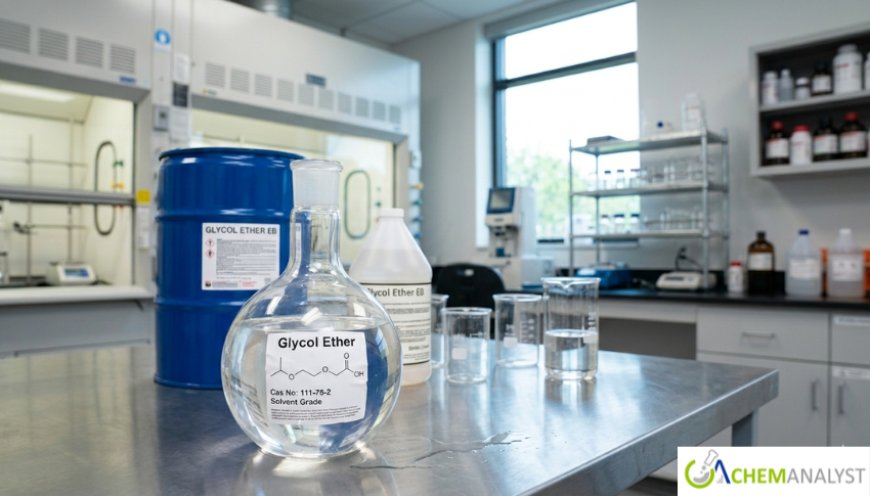
The global Glycol Ether Market is a significant segment of the specialty chemicals industry, driven by its extensive use as a high-performance solvent across paints, coatings, cleaning products, pharmaceuticals, and personal care applications. Glycol ethers are organic compounds that combine ether and alcohol functional groups, offering exceptional solubility in both water and organic solvents.
These versatile properties make glycol ethers indispensable in modern industrial processes, particularly where performance, stability, and environmental compliance are critical. As industries increasingly demand efficient and eco-friendly solvents, the Glycol Ether Market is witnessing steady expansion across both developed and emerging economies.
Glycol Ether Market Size and Growth Outlook
The global Glycol Ether Market Size has shown consistent growth and is expected to expand further during the forecast period. The market reached approximately 2,110 thousand tonnes in 2024 and is projected to grow to nearly 3,260 thousand tonnes by 2035, registering a CAGR of around 4.05%.
In value terms, the market is also witnessing strong growth, supported by increasing demand from key industries such as paints and coatings, automotive, construction, and electronics. The rising adoption of eco-friendly and low-VOC solvents is further strengthening the global Glycol Ether Market Size outlook.
Understanding Glycol Ethers and Their Industrial Importance
Glycol ethers are typically produced through the catalytic reaction of alcohols (such as ethanol or butanol) with ethylene oxide or propylene oxide. These compounds are categorized into two main types:
- E-series (ethylene-based glycol ethers)
- P-series (propylene-based glycol ethers)
Their key properties include:
- Excellent solvency for resins and polymers
- High boiling points and controlled evaporation
- Compatibility with waterborne and solvent-based systems
- Low toxicity (especially P-series variants)
These characteristics make glycol ethers essential in formulations requiring superior performance, stability, and environmental compliance.
Key Market Drivers
1. Strong Demand from Paints and Coatings Industry
The paints and coatings sector is the largest consumer in the Glycol Ether Market, accounting for a significant share of global demand. Glycol ethers are used to:
- Improve flow and leveling
- Enhance gloss and finish quality
- Control drying rates
The expansion of construction and automotive industries is driving increased demand for coatings, thereby boosting the Glycol Ether Market.
2. Growth in Construction and Infrastructure
Rapid urbanization and infrastructure development worldwide are key contributors to market growth. Increased construction activities are fueling demand for architectural paints, varnishes, and coatings, all of which rely heavily on glycol ethers.
This trend is particularly strong in emerging economies, supporting a positive Glycol Ether Market Trend globally.
3. Rising Demand from Personal Care and Cosmetics
Glycol ethers are widely used in personal care products such as:
- Sunscreens
- Cosmetics
- Skincare formulations
Their excellent solvency and compatibility with various formulations make them ideal for these applications. Growing consumer demand for personal care products is further driving the Glycol Ether Market.
4. Expansion of Electronics and Pharmaceutical Industries
The electronics and pharmaceutical sectors are emerging as significant growth drivers. Glycol ethers are used in:
- Semiconductor cleaning and processing
- Drug formulation and manufacturing
The increasing demand for high-performance chemicals in these industries is contributing to a strong Glycol Ether Market Trend.
5. Shift Toward Low-VOC and Sustainable Solutions
Environmental regulations and sustainability initiatives are encouraging the adoption of low-VOC glycol ethers. These products offer reduced environmental impact while maintaining high performance.
This shift is a key Glycol Ether Market Trend, particularly in North America and Europe.
Browse the full report at Glycol Ether Market:
https://www.chemanalyst.com/industry-report/glycol-ether-market-1834
Glycol Ether Market Trends
1. Increasing Preference for P-Series Glycol Ethers
P-series glycol ethers are gaining popularity due to their lower toxicity and better environmental profile. They are widely used in paints, coatings, and cleaning products, driving market growth.
2. Growth in Waterborne Coatings
The transition toward waterborne coatings is a major Glycol Ether Market Trend. Glycol ethers enhance the performance of these coatings while ensuring compliance with environmental regulations.
3. Technological Advancements in Production
Manufacturers are investing in advanced production technologies to improve efficiency and reduce environmental impact. These innovations are helping to optimize costs and improve product quality.
4. Stable Pricing and Balanced Supply-Demand
Recent market observations indicate stable pricing trends due to balanced supply and demand conditions in major regions such as Europe.
Market Segmentation
By Type
The Glycol Ether Market is segmented into:
- E-Series (ethylene-based)
- P-Series (propylene-based)
P-series glycol ethers dominate due to their lower toxicity and broader industrial applications.
By Application
Key applications include:
- Paints and Coatings (largest segment)
- Printing Inks and Dyes
- Cleaning Products
- Pharmaceuticals
- Personal Care
The paints and coatings segment alone accounted for a major share of the market, highlighting its importance in industrial applications.
By End-Use Industry
Major end-use industries include:
- Construction
- Automotive
- Electronics
- Pharmaceuticals
- Consumer Goods
Among these, construction and automotive sectors are the primary contributors to demand growth.
Regional Analysis
Asia-Pacific
Asia-Pacific dominates the global Glycol Ether Market Size, driven by:
- Rapid industrialization
- Growing population and urbanization
- Rising demand for personal care and consumer products
Countries such as China and India are major contributors due to strong manufacturing and infrastructure development.
North America
North America is a key market, supported by:
- Advanced industrial infrastructure
- Strong demand for eco-friendly products
- Growth in pharmaceuticals and electronics
The region is also witnessing increasing adoption of low-VOC glycol ethers.
Europe
Europe’s market growth is influenced by:
- Strict environmental regulations
- Demand for sustainable chemical solutions
- Technological innovation
Middle East & Africa and South America
These regions are emerging markets with increasing industrialization and infrastructure investments, offering new growth opportunities for the Glycol Ether Market.
Book a Demo for Glycol Ether Market:
https://www.chemanalyst.com/ChemAnalyst/RequestForm?rn=Glycol%20Ether%20Market
Competitive Landscape
The global Glycol Ether Market is competitive, with several major players focusing on innovation and expansion. Key companies include:
- The Dow Chemical Company
- LyondellBasell Industries
- INEOS Oxide
- BASF SE
- Sasol
These companies are investing in capacity expansion, product innovation, and sustainable production technologies to strengthen their market positions.
Recent Developments
Recent developments in the Glycol Ether Market highlight strong industry momentum:
- Introduction of low-carbon and sustainable product lines
- Expansion of production capacities
- Strategic investments in R&D
Manufacturers are increasingly focusing on eco-friendly solutions to meet regulatory requirements and consumer demand.
Market Challenges
1. Raw Material Price Volatility
Fluctuations in the prices of ethylene oxide and propylene oxide can impact production costs and profitability.
2. Environmental and Regulatory Constraints
Strict environmental regulations may increase compliance costs and limit the use of certain glycol ether variants.
3. Competition from Alternative Solvents
The presence of alternative solvents may pose challenges in certain applications, particularly where cost sensitivity is high.
Future Outlook
The future of the Glycol Ether Market appears promising, with steady growth expected over the next decade. Key factors shaping the market include:
- Increasing demand for high-performance solvents
- Growth in construction, automotive, and electronics industries
- Rising adoption of sustainable and low-VOC solutions
- Technological advancements in production processes
The market is expected to witness continuous innovation and expansion, ensuring long-term growth and stability.
Conclusion
The global Glycol Ether Market is poised for steady growth, driven by its versatile applications and increasing demand across multiple industries. With a projected CAGR of around 4.05%, the expanding Glycol Ether Market Size reflects strong opportunities for manufacturers and stakeholders.
Evolving Glycol Ether Market Trend patterns, including sustainability initiatives and technological advancements, are shaping the future of the industry. As industries continue to prioritize efficiency, performance, and environmental compliance, the Glycol Ether Market will remain a key component of the global chemical landscape.
What's Your Reaction?