
































Football Field Management Business Plan 2026: Facility Planning, Investment Analysis and Sports Infrastructure Opportunities

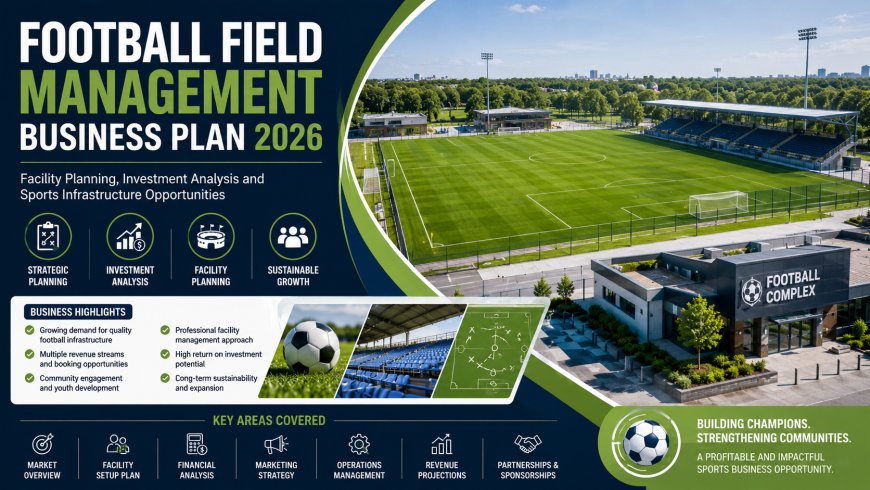
IMARC Group’s “Football Field Management Business Plan and Project Report 2026” provides a comprehensive roadmap for setting up a football field management, outlining strategies for efficiently operating and maintaining football fields, addressing customer needs, ensuring safety, and generating revenue through rentals, events, and sponsorships.
It serves as a vital resource for sports entrepreneurs, facility operators, local government bodies, private developers, and community organizations. It also offers detailed guidance on field setup, operational workflows, turf management, regulatory compliance, and customer engagement.
What is Football Field Management?
The process of monitoring and preserving a football field’s or stadium’s operational features and physical state is known as football field management. This covers duties like routine field upkeep, turf control, irrigation, and making sure the playing surface satisfies sports standards.
Football field management entails planning and organizing activities, including practices, games, and neighborhood gatherings, while making sure that safety regulations are observed. To accommodate players, coaches, officials, and spectators, it entails overseeing the facilities, including parking lots, locker rooms, and seating configurations. Overall, football field management is essential to making sure that everyone has a fun, safe, and seamless experience.
Football Field Management Market Trends and Growth Drivers
The football field management industry is experiencing robust growth, driven by rising youth sports participation, expanding sports tourism, sustainability mandates, and urban infrastructure investment. Key market trends and drivers include:
- Growth in Youth Sports Participation: As youth sports leagues and community programs expand, the demand for professionally managed, high-quality football fields is increasing. Parents and community organizations are seeking reliable facilities for training and games, fueling the growth of the football field management market.
- Rise of Sports Tourism: Sports tourism is on the rise as more teams and enthusiasts travel for tournaments and recreational play. Football fields that are well-maintained and managed to accommodate large events are becoming essential for attracting these visitors, expanding the market potential.
- Increased Focus on Sustainability and Eco-Friendly Practices: The increasing emphasis on sustainability in sports venues is driving significant demand for environmentally friendly turf management and water conservation systems, offering an opportunity for football field managers to invest in green technologies and practices.
- Urbanization and Expansion of Community Sports Facilities: As urban populations grow, there is a higher demand for community sports facilities, including football fields. Local governments and private developers are investing in sports infrastructure, boosting the need for professional field management services.
How Do You Set Up a Football Field Management Business?
The IMARC report serves as a complete guide for setting up a football field management business, covering:
◦ Industry overview and market performance
◦ Customer workflows and service offerings
◦ Field planning, turf, and equipment requirements
◦ Cost structure (CapEx & OpEx)
◦ Revenue generation models
◦ Risk mitigation strategies
◦ Licensing, zoning, safety, and environmental compliance
◦ Profitability and investment analysis
Request for a Sample Report: https://www.imarcgroup.com/football-field-management-business-plan-project-report/requestsample
Key Requirements for Setting Up a Football Field Management Business
1. Business Model & Operations Plan
- Service Overview: Field rental for recreational leagues, professional team training, community events, school programs, sports tournaments, and corporate group activities; ancillary services including equipment hire and event coordination
- Service Workflow: Customer inquiry → Booking & scheduling → Field preparation → Customer arrival & safety briefing → Event/session management → Post-use field inspection → Maintenance & reset
- Revenue Model: Per-session and block-booking field rentals, league season packages, event hosting fees, sponsorship arrangements, food & beverage concessions, and memberships for repeat community users
- SOPs & Service Standards: Guidelines for turf maintenance schedules, irrigation management, equipment inspection, customer communication, emergency response, spectator safety, and consistent service quality delivery
2. Technical Feasibility
- Site Selection Criteria: Open land in accordance with regional safety and zoning laws; accessibility for players, spectators, and parking; proximity to residential communities, schools, and sports clubs
- Space & Costs: Full-size playing surface, spectator seating zones, parking areas, locker rooms, equipment storage, and maintenance workshop space
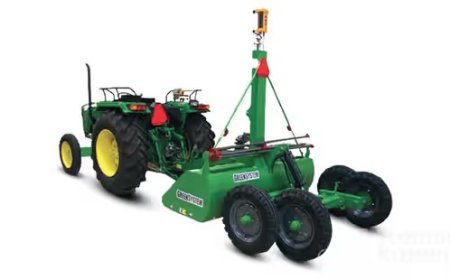
- Equipment & Systems: Turf maintenance machinery, irrigation systems, goalposts, safety barriers, timing systems, digital scoreboards, online booking and scheduling software, and PA systems
- Facility Setup & Design: Field design incorporating turf installation, goalposts, and spectator seating; clear signage; accessible entrances; and customer-friendly reception and amenity areas
- Utility Requirements & Costs: Electricity, water supply for irrigation, internet connectivity for booking management, waste management, and ongoing facility maintenance budgets
- Human Resources & Wages: Field maintenance crew, groundskeepers, booking and customer service staff, event coordinators, safety officers, and management personnel
3. Financial Feasibility
The report includes a comprehensive financial feasibility analysis covering:
◦ Capital Investments & Operating Costs
◦ Revenue & Expenditure Projections
◦ Profit & Loss Analysis (5-year horizon)
◦ Taxation & Depreciation Schedules
◦ ROI, NPV & Sensitivity Analysis
Project Economics
Capital Expenditure (CapEx) and Operational Expenditure (OpEx) Analysis
Capital Investment (CapEx): Equipment & Machinery costs account for the largest portion of the total capital expenditure. The cost of facility development forms another substantial part of the overall capital investment. This allocation ensures a solid foundation for safe and efficient operations.
Operating Expenditure (OpEx): In the first year of operations, the operating cost for the football field management is projected to be significant, covering salaries & wages, utilities, overheads, depreciation, taxes, among others. By the fifth year, the total operational cost is expected to increase substantially due to factors such as inflation, market fluctuations, and potential increase in the labor cost.
Market Analysis & Insights
Industry Overview
The report covers a thorough analysis of:
◦ Market drivers & challenges
◦ Demand patterns across geographic regions
◦ Consumer preferences by user type (youth leagues, recreational players, professional teams, community groups, schools)
◦ Segmentation by field type, booking format, facility scale, and event category
Competitive Landscape
Profiles of leading football field management operators and sports facility companies, examining:
◦ Field maintenance and service differentiation strategies
◦ Pricing strategies and dynamic booking rate management
◦ Market positioning across community, semi-professional, and professional facility tiers
◦ Customer loyalty, league partnership, and event marketing models
Latest Industry Developments
- September 2025: The Wiregrass Ranch Sports Campus in Pasco County, Florida, and the Florida Sports Coast (FSC) formally appointed the Sports Facilities Companies (SFC) as their new operating and management partner. This partnership includes the management of the entire facility, including its football, soccer, field hockey, and lacrosse fields.
- June 2025: Tarkett Sports successfully acquired Allsports Construction and Maintenance Limited, a Scotland-based provider of sports surfaces construction and management solutions, including football field management. This acquisition is expected to reinforce Tarkett Sports’ position in the sports infrastructure sector of Scotland.
Profitability Projections
The report outlines a detailed profitability analysis over the first five years of operations, including projections for:
◦ Total revenue from field rental fees, event hosting, league partnerships, sponsorships, and ancillary services
◦ Expenditure breakdown across staffing, turf and equipment maintenance, utilities, insurance, and marketing
◦ Gross profit and net profit by year
◦ Profit margins for each revenue stream
◦ Revenue per booking projections and field utilisation rate growth estimates
These projections provide a clear picture of expected financial performance and payback timelines, enabling entrepreneurs and investors to make informed decisions about entering the football field management market.
Frequently Asked Questions (FAQs)
- What are the key operational steps involved in establishing a football field management?
Establishing a football field management company entails finding a suitable site for the field, which needs to be open, roomy, and in accordance with regional safety and zoning laws. The field’s design and construction, including the installation of turf, goalposts, and spectator seating, comes next. To keep the field in playable condition, regular maintenance is essential, including irrigation, lawn care, and equipment management.
- What equipment is necessary for setting up a football field management?
A detailed feasibility study is essential, covering high-quality turf maintenance equipment, irrigation systems, booking software, and operational tools to maintain field conditions, track reservations, and manage customer interactions. Additional requirements include goalposts, safety barriers, scoreboards, and PA systems.
- What are the capital expenditure requirements in setting up a football field management facility?
Significant capital will be required for field development or upgrades, maintenance equipment, staff hiring, technology for scheduling and booking, and marketing efforts to attract teams, leagues, and community groups. Capital investments cover facility development costs, civil works, equipment and machinery costs, and other capital costs.
- What are the key licenses and approvals required in setting up a football field management facility?
Securing the necessary licenses, permits, and accreditations for compliance with local zoning laws, safety regulations, environmental standards for turf management, and insurance requirements is necessary for operating football fields and hosting events.
- What profit margins can be expected in a football field management business?
Strong financial returns are supported by consistent demand, effective field management, and cost control. Long-term viability is supported by maintaining high-quality field conditions, attracting repeat clients, and diversifying revenue streams.
- How has the global football field management market performed and what are the future growth prospects?
The market presents significant growth potential as sports tourism, youth leagues, and recreational programs expand, increasing demand for professionally managed, high-quality football fields for various events, training, and community use. Urbanization and growing government investment in sports infrastructure further support long-term market expansion.
Speak to an Analyst for a Customized Report: https://www.imarcgroup.com/request?type=report&id=44106&flag=C
Why This Report Matters
Football field management combines growing community demand, expanding sports tourism, and scalable facility revenues to create a compelling business opportunity. This report equips entrepreneurs, sports facility investors, and local governments with the insights needed to build a successful and professionally managed football field - from site selection and turf infrastructure to financial forecasting and community engagement strategy.
About IMARC Group
IMARC Group is a leading global market research and management consulting firm. We specialize in helping organizations identify opportunities, mitigate risks, and create impactful business strategies.
Our expertise includes:
- Market Entry and Expansion Strategy
- Feasibility Studies and Business Planning
- Company Incorporation and Sports Facility Setup Support
- Regulatory and Licensing Navigation
- Competitive Analysis and Benchmarking
- Industry Partnership Development
- Branding, Marketing, and Customer Experience Strategy
Contact Us:
IMARC Group
134 N 4th St., Brooklyn, NY 11249, USA
Email: sales@imarcgroup.com
Tel No: (D) +91 120 433 0800
United States: (+1-201-971-6302)
What's Your Reaction?