





























Dual Diagnosis Explained: What It Means to Struggle with Addiction and a Mental Health Condition at the Same Time
Have you ever watched someone you love drink to "calm their nerves" — night after night — until the drinking itself became the problem? Or maybe you've been there yourself. You weren't drinking for fun. You were drinking to survive the day.
That's not weakness. That's what happens when mental health pain goes untreated for too long.
And it has a name: dual diagnosis.
So, What Exactly Is Dual Diagnosis?
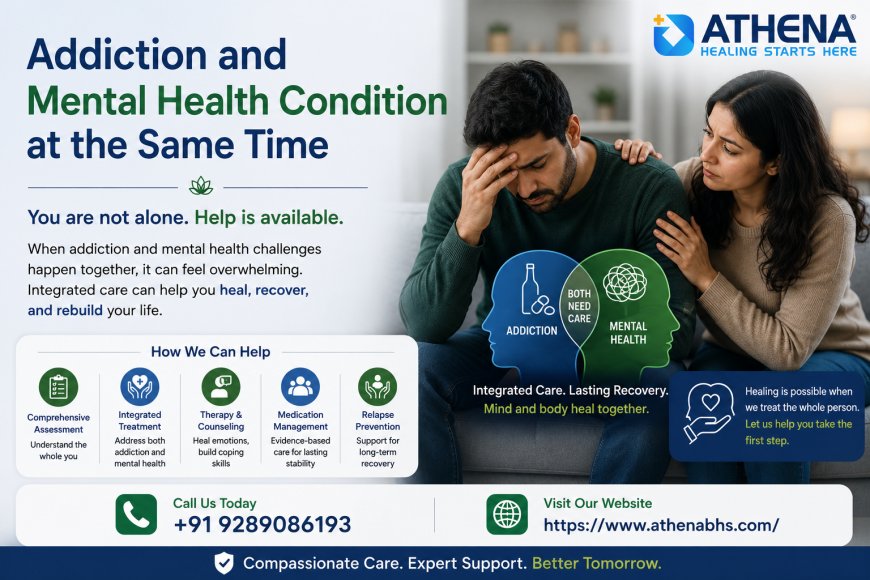
In simple terms, dual diagnosis means a person is dealing with two things at once — a mental health condition (like depression, anxiety, PTSD, or bipolar disorder) and a substance use disorder (like alcohol or drug addiction).
It's more common than most people realize. Studies show that nearly 50% of people with a serious mental illness also struggle with substance abuse — and vice versa.
But here's the part that often gets missed: these two conditions don't just exist side by side. They feed each other. They make each other worse. And unless both are treated at the same time, lasting recovery is almost impossible.
Why Do Mental Health and Addiction Happen Together?
Think about it from a human perspective — not a clinical one.
When someone is living with undiagnosed anxiety or depression, every single day can feel unbearable. The mind races. Sleep doesn't come. Social situations feel terrifying. And then, one day, they find something that works — even if just for a few hours. Alcohol. Painkillers. Something to take the edge off.
It's not about getting high. It's about getting relief.
Over time, the brain starts to depend on that substance just to feel normal. What started as coping slowly becomes alcohol addiction or drug dependency — and now there are two problems where there used to be one.
The reverse is also true. Prolonged substance abuse rewires the brain. It disrupts the chemicals that regulate mood, sleep, and emotion. Someone who never struggled with depression before can develop it after years of heavy drinking. Someone who used stimulants to "function better" may end up with severe anxiety that wasn't there before.
It goes both ways. Always.
The Signs Are Easy to Miss — Even for Doctors
Here's something that surprises a lot of people: dual diagnosis is frequently overlooked, even by trained professionals.
Why? Because the symptoms overlap in confusing ways.
Withdrawal from alcohol can look exactly like a panic attack. Depression and the emotional crash after drug use are almost indistinguishable. A person in a manic episode might seem like they're on stimulants. A person self-medicating with cannabis might seem "just a little low" to a casual observer.
Add to that the shame many people feel about substance use — so they hide it from their therapists and doctors — and you've got a situation where people spend years being treated for only half of their problem.
That's not a treatment plan. That's a half-solution. And half-solutions lead to relapse.
What Does Real Recovery Look Like for Dual Diagnosis?
This is where things start to look hopeful.
When both conditions are treated together, by the same team, at the same time — the outcomes are dramatically better. This is called integrated treatment, and it's now considered the gold standard in mental health and addiction care.
A proper dual diagnosis program typically includes:
- A full psychiatric evaluation — to understand both conditions clearly before any treatment begins
- Personalized therapy — approaches like Cognitive Behavioral Therapy (CBT) help address the root emotional patterns driving both the mental health issue and the addiction
- Medically supervised detox — because withdrawal can be dangerous and needs proper support
- Medication management — when needed, to stabilize mood or reduce cravings
- Group support and peer connection — because isolation is one of the biggest relapse triggers
- A long-term aftercare plan — because recovery doesn't end when you leave a facility
If you're in Gurgaon and looking for drug addiction treatment in Gurgaon or support for alcohol addiction treatment, the most important thing to ask any facility is this: "Do you treat the mental health condition and the addiction at the same time?" If the answer is no — keep looking.
Getting Help in India: What You Should Know
The good news is that India's mental healthcare landscape has evolved significantly. There are now facilities that take a truly integrated, evidence-based approach to co-occurring disorders.
Athena Behavioral Health is one of the most respected names in this space. Recognized as one of the best mental hospitals in Gurgaon, Athena doesn't just treat symptoms — they treat people.
Their team includes psychiatrists, clinical psychologists, addiction counselors, and social workers who work together on every case. That means the psychiatrist managing your medication is talking to the therapist managing your trauma — and they're both aligned on your recovery goals.
Whether you're searching for a reliable rehab center in India for a loved one, or you personally need help with alcohol addiction treatment alongside a mental health condition, Athena Behavioral Health offers programs tailored to exactly this kind of complex, overlapping care.
They've helped hundreds of people who were told they were "too complicated" or had "failed treatment before." The truth was, those people had never received the right treatment.
You're Not Broken. You're Undertreated
If you've been struggling — cycling between mental health crises and addiction, trying one thing after another and nothing sticking — please hear this:
It's not because you're weak. It's not because you don't want to get better. It's because no one has treated the whole picture.
Dual diagnosis is complex, but it is absolutely treatable. People recover from this every single day — with the right support, the right environment, and a team that actually understands what they're dealing with.
The first step is just reaching out.
If you or someone you love is caught in this cycle, contact Athena Behavioral Health. Not tomorrow. Today.
What's Your Reaction?