































Custom Truck Brands That Make Commercial Vehicles Stand Out
Custom truck branding can help businesses create a clear and recognisable identity on the road. This guide explains truck design options, branding coverage, fleet consistency, material considerations.
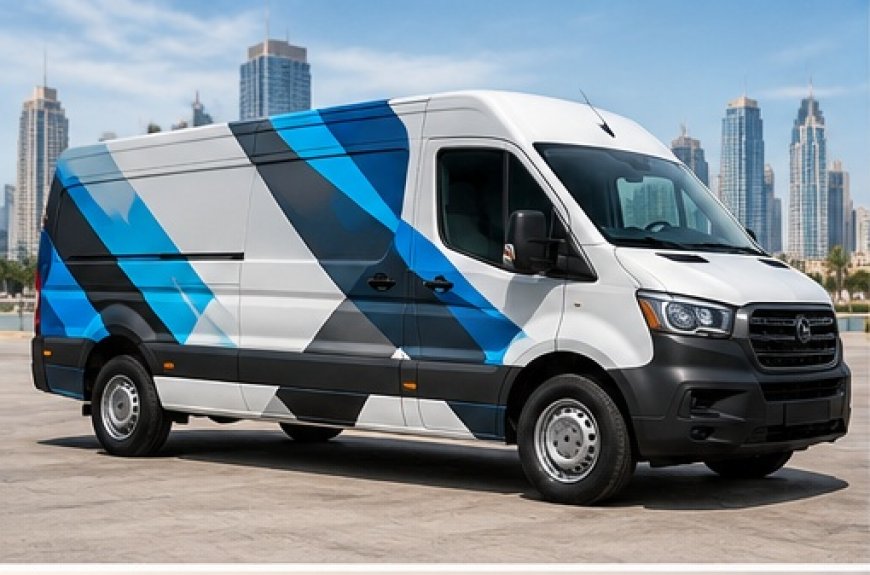
A commercial truck can do more than transport goods from one location to another. It can also introduce a business to potential customers while travelling through busy roads, industrial areas, commercial districts, and delivery routes. A clear and professionally planned vehicle design can make the company easier to recognise without adding another permanent advertising space.
Custom Truck Brands are created around a business's vehicle, brand identity, and communication needs. Depending on the company, the design may include a logo, brand colours, service information, contact details, product imagery, or a simple promotional message. The key is to make these elements work with the truck rather than simply placing as much information as possible on its surface.
Why Commercial Truck Branding Deserves Careful Planning
Truck branding is often seen from several angles and at different distances. Someone walking near a parked vehicle may see the side in detail, while another driver may only have a brief view of the rear or cab.
This means the design needs to communicate quickly.
A business should normally be identifiable first, followed by its main service or message. Contact information can then provide a simple next step for someone who wants to learn more.
This approach is particularly useful for businesses whose trucks travel regularly between customers, warehouses, construction sites, suppliers, and other commercial locations.
What Should a Custom Truck Design Include?
There is no single layout that works for every truck. The available space, vehicle type, business sector, and branding objective all affect the final design.
However, several elements are commonly useful:
-
Business name or logo
-
Recognisable brand colours
-
Short service description
-
Phone number or website
-
Relevant product or service graphics
-
A simple call to action where appropriate
The information should be prioritised rather than given equal visual weight. A large amount of small text may contain more information but can become difficult to understand when the truck is moving.
A strong design usually gives the viewer an immediate understanding of who the business is and what it does.
Full Wrap, Partial Wrap or Truck Graphics?
One of the first decisions is how much of the vehicle should be branded.
A full truck wrap uses printed vinyl across most of the selected exterior surfaces. It provides a larger canvas for colours, graphics, imagery, and brand messaging and can create a strong overall appearance.
A partial wrap covers specific areas of the truck. Businesses may choose this approach when the main branding can be communicated effectively without covering every panel.
Truck graphics and decals offer another option. These can be used for logos, business names, contact information, lettering, or selected visual elements.
The right choice depends on the truck's body style, the amount of information required, the desired appearance, and the purpose of the branding.
Design the Truck Around Its Actual Shape
A truck should not be treated like a flat advertising board.
Doors open and close. Handles, hinges, seams, storage areas, windows, lights, wheels, and curved surfaces can all affect the placement of graphics. A design that looks good on a computer screen may need adjustment when applied to the actual vehicle.
For this reason, artwork should be prepared using accurate vehicle measurements or an appropriate vehicle template.
Important design elements should also be positioned away from areas where folds, joins, openings, or other vehicle components could interrupt them.
This is one reason professional vehicle branding starts with understanding the vehicle itself rather than applying a generic design.
How to Make Truck Branding Easy to Read on the Road
A moving vehicle does not give viewers unlimited time to read its message. The design therefore needs to work at a glance.
Several practical principles can help:
Keep the main message short. A few useful words are generally easier to absorb than a long paragraph.
Make the logo noticeable. The business should be identifiable without forcing the viewer to search through the design.
Use readable lettering. Decorative fonts may look attractive but can reduce readability when viewed from a distance.
Create clear contrast. Text and important graphics should remain distinguishable from the background.
Use the rear intelligently. The rear of a truck can remain visible to following traffic, making it useful for essential business information.
Avoid unnecessary clutter. Too many graphics, messages, colours, and contact details can compete for attention.
The objective is not to fill every available panel. It is to use the available space effectively.
Custom Truck Brands for Different Business Needs
Truck branding can be adapted to many commercial industries.
A logistics company may want its fleet to have a consistent identity that makes individual vehicles easy to recognise.
A construction business may use large side panels to display its company name, services, and contact information while travelling between projects.
A supplier or distributor may use product-related imagery and branding to identify its vehicles during regular deliveries.
A delivery company may focus on strong visual recognition, a simple service message, and easy-to-find contact information.
For businesses with specialised trucks, the design can also reflect the nature of the vehicle and the work it performs.
The important point is that branding should support the actual business rather than following a one-size-fits-all template.
Building a Consistent Fleet Identity
For a business operating several trucks, branding individual vehicles separately can lead to inconsistent results. Establishing a basic visual system can make future vehicle branding much easier.
The company can define consistent rules for:
-
Logo placement
-
Brand colours
-
Typography
-
Contact details
-
Graphic style
-
Main messaging
-
Vehicle panel layout
Different truck models may require different layouts, but the core identity can remain recognisable.
This is especially useful when a business adds vehicles to its fleet over time. A new truck can be adapted to the established branding without making the entire fleet look unrelated.
Materials and Installation Matter Too
The design is only one part of a truck branding project. The material and installation process can also influence the finished appearance.
Commercial vehicles are regularly exposed to sunlight, dust, rain, road conditions, washing, and everyday handling. The selected vinyl should therefore be appropriate for the intended application and vehicle surface.
Before installation, the surface should be properly cleaned and prepared. Graphics need to be positioned carefully around edges, doors, curves, joins, and other difficult areas.
Good installation is particularly important on large trucks because even small alignment problems can become noticeable across a wide panel.
Businesses should also consider their operating schedule when arranging installation so that vehicle downtime can be managed properly.
What Businesses Should Prepare Before Ordering Truck Branding
Having the right information ready can make the design process much smoother.
Before contacting a truck branding provider, a business can prepare:
-
High-quality company logo
-
Brand colours and existing guidelines
-
Business name
-
Website and phone number
-
Main services or products
-
Preferred branding coverage
-
Photos of the truck
-
Vehicle make, model, and dimensions
-
Any specific design ideas
It is also useful to decide what the branding is expected to achieve.
For example, a company may mainly want stronger brand recognition, while another may want its truck to promote a particular service or product.
Knowing the objective helps the designer decide what deserves the most space.
Common Truck Branding Mistakes to Avoid
Some problems can reduce the effectiveness of an otherwise attractive design.
One common mistake is trying to include too much information. Another is making contact details too small to be useful. Poorly positioned graphics can also be interrupted by doors, handles, or other vehicle features.
Using inconsistent colours or logos across a fleet can make the company's vehicles look disconnected. Similarly, copying the exact same layout onto every vehicle without considering different body shapes may produce an awkward result.
A better approach is to keep the brand identity consistent while adapting the artwork to each vehicle.
How the Truck Branding Process Usually Works
A professional project generally begins with a discussion about the vehicle and branding requirements.
The next stage is artwork preparation. The design is fitted to the vehicle's dimensions and important elements are positioned around its physical features.
After the business reviews and approves the artwork, the selected graphics are produced. Installation then takes place on the prepared vehicle surface.
The final stage involves checking the application, including alignment, edges, joins, doors, and overall presentation.
For businesses in Dubai, choosing a provider that can manage design, production, and installation together can make the process more straightforward.
Custom Truck Brands as Part of Business Visibility
A branded truck can support a company's wider visual identity when its design matches the branding used elsewhere.
The same logo, colours, typography, and general visual style can be carried across websites, uniforms, packaging, social media, printed materials, and company vehicles.
This consistency makes it easier for customers to connect different encounters with the same business.
For companies that already operate commercial vehicles every day, truck branding can therefore become part of their existing business identity rather than a separate marketing activity.
Final Thoughts
Effective truck branding starts with a simple question: what should people understand about the business when they see the vehicle?
Once that is clear, the design can be built around the truck's shape, viewing angles, business identity, and practical requirements.
Whether the project involves a full wrap, partial coverage, or selected graphics, the most useful design is one that remains clear, recognisable, and relevant to the business.
For companies in Dubai considering commercial vehicle branding, a properly planned project can bring together design, printing, and installation while adapting the finished graphics to the specific truck and its day-to-day use.
Frequently Asked Questions
What are Custom Truck Brands?
Custom Truck Brands are vehicle graphics, wraps, decals, and related visual designs created specifically for a company's commercial truck. They can include business logos, colours, contact details, services, product graphics, or other brand information.
What information should a business put on a branded truck?
The essentials usually include the company name or logo, a short description of the service or product, and useful contact information. The amount of information should be limited enough to remain readable from a distance.
Should a business choose a full truck wrap or partial branding?
It depends on the desired coverage and branding objective. A full wrap provides more space for a complete visual treatment, while partial branding can focus attention on selected panels. Graphics and decals can provide a more targeted approach.
Can truck branding be used across an entire fleet?
Yes. A business can create a consistent visual identity for multiple vehicles while adapting the layout to each truck's size and body shape.
What should be considered before installing truck graphics?
Businesses should consider the vehicle's surface condition, panel layout, doors, curves, edges, daily use, cleaning requirements, and the type of material being applied. Accurate measurements and proper surface preparation are also important.
How can a truck design remain readable on busy roads?
Keep the main message concise, use readable lettering, make the logo visible, maintain clear contrast, and avoid overcrowding the design. Important information should be placed on panels that can be seen clearly from common viewing angles.
What's Your Reaction?