






























How to Choose the Right Replacement Airbag for Your Vehicle
Learn how to choose a suitable replacement airbag by checking OEM part numbers, VIN compatibility, airbag condition, and vehicle safety requirements.
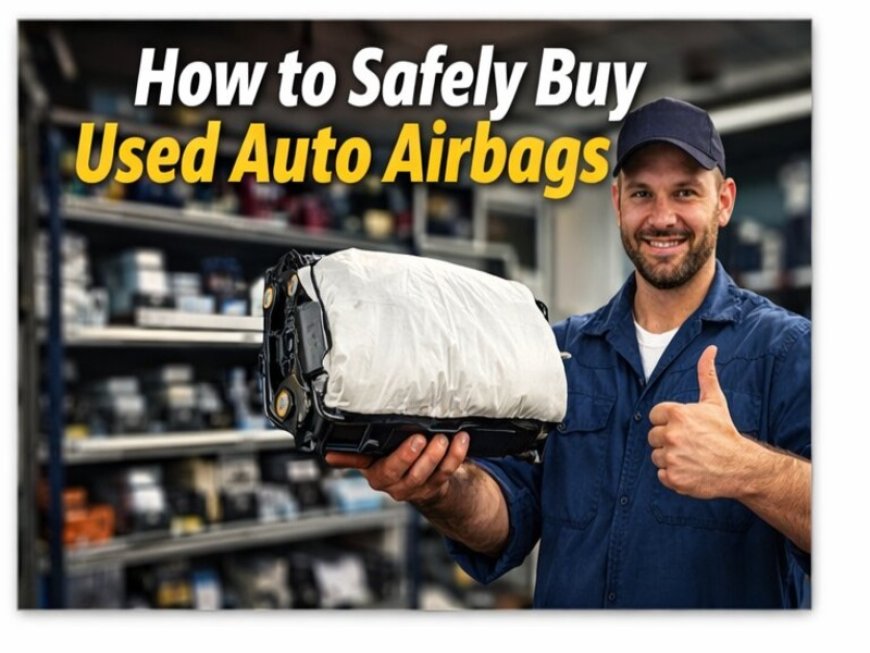
Replacing an airbag after a collision requires careful attention to vehicle compatibility, component condition, and safety requirements. Whether you are a vehicle owner or an automotive repair professional, selecting the correct replacement can help prevent fitment problems and support a proper repair.
Used auto airbags may be an option for customers looking for previously installed OEM components. However, the correct part must be identified and assessed before purchase. Vehicle specifications, part numbers, and deployment history are important considerations.
Understanding OEM Airbag Replacement Options
Original Equipment Manufacturer (OEM) airbags are associated with a vehicle manufacturer's specifications. Different vehicles may require different components, even when they belong to the same model range.
Common airbag types include:
-
Driver-side airbags: Generally installed in the steering wheel.
-
Passenger airbags: Usually located in the front dashboard.
-
Side curtain airbags: Commonly positioned along the roofline.
-
Knee airbags: Installed beneath the dashboard in equipped vehicles.
These components serve different purposes and are not interchangeable. The required airbag must match the vehicle's specific application.
How to Verify Airbag Compatibility
Before ordering a replacement, gather your vehicle's make, model, year, trim level, and vehicle identification number (VIN). If available, obtain the original OEM part number as well.
Compare the complete part number against reliable manufacturer parts information. Similar-looking components can have different connectors, mounting points, or application requirements.
A VIN-based fitment check can help narrow the available options, but compatibility should also be confirmed using the appropriate part specifications.
What to Check Before Buying Used OEM Airbags
When considering a previously installed component, ask about its source, condition, and deployment history. A clean exterior does not establish that an airbag is functional or suitable for reuse.
Also review the supplier's product information, fitment assistance, shipping arrangements, and return policy before purchasing.
Airbags are safety-critical components. Their suitability depends on several factors, including compatibility, condition, history, and applicable manufacturer requirements.
Why Professional Installation Matters
An airbag is part of the Supplemental Restraint System (SRS), which may also include crash sensors, seat-belt pretensioners, wiring, and an electronic control module.
Replacing an airbag alone may not resolve an SRS warning light or other collision-related faults. A qualified technician should inspect the system, diagnose any problems, and follow the vehicle manufacturer's repair procedures.
For further information, consult the National Highway Traffic Safety Administration's airbag safety guidance.
Where to Find Replacement Options
Used Auto Airbags provides used OEM airbag options for various cars, SUVs, and trucks. Customers can explore available components and request VIN-based fitment assistance through the Used Auto Airbags website.
The business offers free shipping and 30-day returns, subject to applicable terms. Before placing an order, confirm the part number, vehicle application, component details, and return conditions.
Frequently Asked Questions
How do I find the correct replacement airbag?
Start with your VIN, vehicle specifications, and original part number. Confirm the application using reliable manufacturer information or a qualified automotive professional.
Are all airbags for the same model interchangeable?
No. Different model years, trim levels, and restraint-system configurations may require different components.
Is an undeployed airbag automatically safe?
No. Deployment history is only one consideration. The component's source, condition, compatibility, and suitability must also be evaluated.
Why does the SRS warning light remain on after replacement?
The warning may indicate a fault in another restraint-system component. Professional diagnostics are needed to identify and resolve the underlying problem.
Conclusion
Choosing the correct replacement airbag requires accurate vehicle information, OEM part-number verification, and careful attention to safety. By confirming compatibility and seeking professional guidance, vehicle owners and repair shops can make better-informed replacement decisions.
Used Auto Airbags helps customers explore available OEM replacement options and obtain VIN-based fitment assistance before ordering.
What's Your Reaction?