































Benefits of Professional Motorcycle Detailing
A motorcycle is more than a vehicle for getting from one place to another. For many riders, it is something they take pride in maintaining, customizing, and riding on weekends or throughout the week.

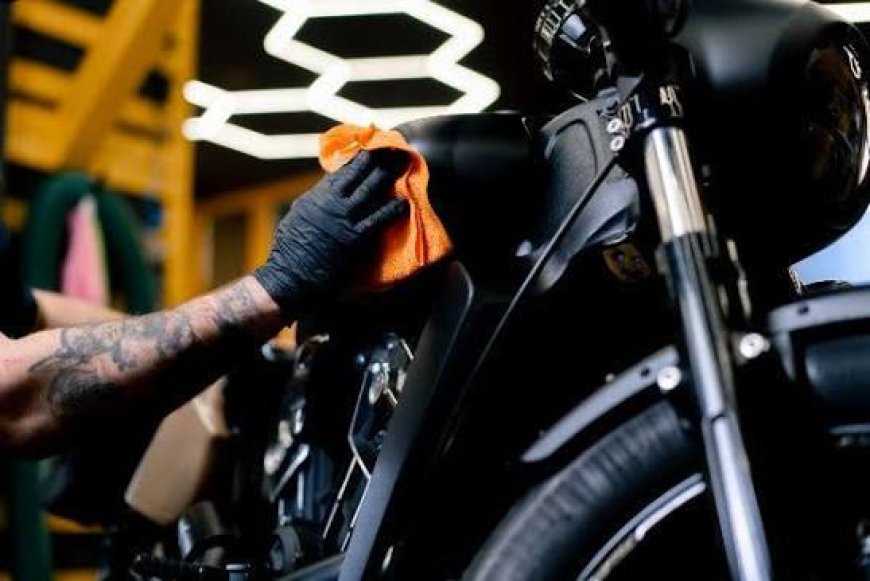
What Is Professional Motorcycle Detailing?
Motorcycle detailing is a more thorough approach to cleaning and maintaining a bike.
A professional detailer typically works through the motorcycle systematically, paying attention to areas that are easy to miss during routine cleaning. Depending on the bike's condition and materials, detailing may include exterior washing, paint cleaning, wheel and tire care, chrome treatment, surface decontamination, and careful cleaning around mechanical components.
The exact process varies because motorcycles are not all built the same.
A cruiser with extensive chrome requires a different approach from a sport bike with multiple painted and plastic surfaces. Older motorcycles may also require more delicate treatment than newer machines.
A Deeper Clean Than a Routine Wash
One of the biggest advantages of professional detailing is the level of cleaning involved.
Road grime can accumulate around:
- Wheel spokes
- Brake components
- Chain areas
- Fender edges
- Engine fins
- Frame junctions
- Exhaust components
- Under-seat areas
- Tight bodywork gaps
These areas are difficult to reach with ordinary washing tools.
Professional detailers use smaller brushes, appropriate microfiber materials, and carefully selected cleaning products to work around intricate areas without unnecessarily disturbing sensitive components.
The result is not simply a cleaner motorcycle. It is a more complete clean.
Helps Preserve Paint and Finishes
Motorcycle paint is exposed to many of the same contaminants as automotive paint, including road dust, insects, bird droppings, water deposits, and environmental grime.
Leaving these contaminants on painted surfaces for extended periods can make maintenance more difficult and may contribute to surface deterioration over time.
Professional detailing emphasizes controlled cleaning and safe contact.
The goal is to remove contamination without creating unnecessary scratches or marring. That is particularly important on motorcycles because painted surfaces may be smaller, more curved, and more visually prominent than on a typical vehicle.
Protects Chrome and Metal Components
Chrome and exposed metal can dramatically influence the appearance of a motorcycle.
However, these surfaces can also show fingerprints, water spots, oxidation, and road residue very clearly.
A professional detailing process can identify which surfaces require gentle cleaning and which may benefit from additional polishing or protection.
Using the wrong abrasive product on a delicate finish is a common mistake. More aggressive does not always mean more effective.
The appropriate product and technique depend on the material and its condition.
Gives Wheels and Spokes Proper Attention
Motorcycle wheels can be especially time-consuming to clean.
Spoked wheels contain numerous small surfaces where dirt and brake dust can accumulate. Even cast wheels often have narrow corners and recessed sections that a normal wash may not reach effectively.
A detailer can work through these areas using appropriately sized brushes and controlled cleaning techniques.
One insider tip is to avoid allowing wheel-cleaning tools to migrate over to painted bodywork. Wheels can contain abrasive particles that should be kept away from delicate finishes.
Keeping separate tools for different areas is a small habit that can prevent unnecessary paint damage.
Helps Maintain the Motorcycle Between Rides
Professional detailing can also make routine maintenance easier.
Once accumulated grime has been properly removed and surfaces are maintained, future cleaning sessions can become more manageable.
This is particularly useful for motorcycles that are ridden frequently. Dust and road film will continue to return, but keeping buildup under control prevents every cleaning session from becoming a major restoration project.
For riders researching professional motorcycle care and detailing techniques, this guide on motorcycle detailer stafford va provides a helpful reference for understanding the scope of professional motorcycle detailing.
Improves the Appearance of Older Motorcycles
Older motorcycles often have character, but years of exposure can leave them looking tired.
Paint may appear dull, chrome can lose its clarity, and accumulated grime can hide the details that make the bike attractive in the first place.
Professional detailing cannot reverse every form of wear. Deep scratches, severe corrosion, failing finishes, and damaged components may require restoration or replacement.
However, thorough cleaning and appropriate surface care can reveal the condition that is still present.
A common mistake I see is assuming that an older motorcycle needs aggressive polishing immediately. In many cases, careful cleaning first reveals that some of the dullness was simply caused by contamination.
Better Attention to Small Details
Motorcycles have countless small areas that contribute to their overall appearance.
Cleaning around a large fuel tank is relatively easy. Cleaning around switches, badges, bolts, frame junctions, controls, and other tight areas requires considerably more patience.
This is where professional detailing often stands apart from a basic wash.
A detailer looks at the motorcycle as a collection of individual surfaces rather than treating the entire machine as one large object.
That mindset makes it easier to identify areas that need special attention.
Supports a More Enjoyable Riding Experience
There is also a simple psychological benefit to keeping a motorcycle properly maintained.
A clean bike is more enjoyable to look at, prepare for a ride, and show to other enthusiasts.
For many owners, detailing is part of the ownership experience. Taking care of the machine becomes a way of respecting the time, effort, and craftsmanship invested in it.
A clean motorcycle can also make it easier to notice unusual leaks, damaged finishes, loose-looking components, or other visual changes during routine inspection.
Detailing is not mechanical maintenance, but cleaning can sometimes make visual inspection easier.
Professional Techniques Reduce Guesswork
DIY motorcycle cleaning is certainly possible, but knowing what not to do is just as important as knowing what to do.
Motorcycles contain different materials in close proximity. A product suitable for one surface may be inappropriate for another.
Professional detailers generally approach the job by identifying materials and contamination before selecting a cleaning method.
That reduces guesswork.
Instead of applying the same cleaner everywhere, each area receives attention based on its finish and condition.
Insider Tip: Let Products Do Some of the Work
One useful detailing principle is to avoid relying on pressure.
If dirt is stubborn, increasing scrubbing force is not always the answer. Allowing a suitable cleaning product enough dwell time to loosen contamination can reduce the physical effort required.
This is especially helpful around painted surfaces and delicate finishes.
The less unnecessary friction you introduce, the better.
How Often Should a Motorcycle Be Detailed?
There is no single schedule that works for every motorcycle.
A bike ridden regularly in dusty or wet conditions may need deeper attention more often than a motorcycle that is stored indoors and ridden occasionally.
Instead of following a strict calendar, consider the motorcycle's actual condition.
Pay attention to:
- Increasing road-film buildup
- Dull-looking paint
- Water spotting
- Dirty wheel areas
- Accumulated grime around tight spaces
- Interior or storage-area debris
- Loss of clarity on metal or chrome surfaces
Regular washing can handle everyday dirt, while professional detailing can address more substantial buildup and help reset the motorcycle's overall condition.
Final Thoughts
Professional motorcycle detailing is about much more than creating a temporary shine. It provides a careful, surface-by-surface approach to removing contamination, maintaining finishes, and keeping a motorcycle looking its best.
The biggest benefits come from attention to areas that ordinary cleaning often overlooks. Wheels, spokes, chrome, engine areas, frame junctions, paint edges, and tight crevices all require different techniques.
Good detailing also means knowing when to be gentle. The objective is not to scrub harder or use stronger products, but to select the right method for each surface.
With consistent care and occasional professional detailing, motorcycle owners can keep their bikes cleaner, easier to maintain, and more enjoyable to own for years to come.
What's Your Reaction?