






























Alcohol Addiction Treatment: How a Nasha Mukti Kendra Helps You Reclaim Control

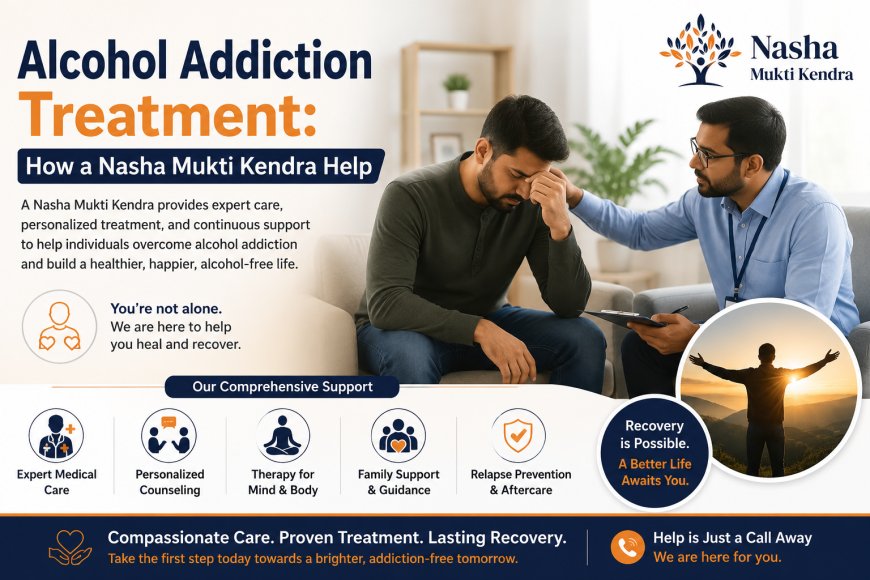
What usually begins as a harmless social drink or a quick way to unwind after a stressful day can quietly turn into a cycle that feels impossible to break. Over time, alcohol changes the way the brain handles stress and pleasure, turning a habit into a physical and emotional necessity.
When you or someone you love reaches the point of wanting to quit, the first instinct is often to try doing it alone at home. However, quitting "cold turkey" isn't just incredibly difficult; due to severe withdrawal symptoms, it can be physically dangerous.
This is exactly why a professional Nasha Mukti Kendra (rehabilitation centre) exists. It isn't a place of isolation or judgment. Instead, it serves as a safe, structured, and medically supervised space designed to help individuals break free from dependency and safely rebuild their lives.
The Real Pillars of De-Addiction Treatment
True recovery takes more than just strong willpower. Overcoming chronic alcohol use requires a careful mix of medical care and mental health support. A reputable de-addiction centre achieves this through a structured, multi-step approach.
1. Medically Guided Detoxification
The very first step in alcohol addiction treatment is clearing alcohol out of the body. When someone who drinks heavily suddenly stops, their nervous system goes into shock. This triggers withdrawal symptoms that range from intense anxiety, sweating, and severe tremors (shakes) to dangerous complications like hallucinations or seizures.
In a residential rehabilitation centre, this phase—known as detoxification—is never done alone. A dedicated team of doctors and nurses monitors the patient around the clock, using safe, tapering medications to minimize physical pain, control cravings, and ensure the entire process is smooth and medically secure.
2. Therapy That Looks Beneath the Surface
Once the body is clean and stable, the focus shifts entirely to the mind. Addiction is rarely just about the substance itself; it is often tied to deeper emotional pain, unmanaged stress, past trauma, or underlying mental health challenges like depression and anxiety.
Licensed counselors and psychologists work closely with individuals through various forms of therapy:
- Cognitive Behavioral Therapy (CBT): Helps patients identify the specific negative thought patterns that drive them to drink, replacing them with healthier behaviors.
- Individual Counseling: Private, one-on-one sessions where a person can safely unpack their personal triggers without fear of judgment.
- Group Therapy: Small group sessions that bring people together who are fighting the same battle, breaking the crushing loneliness that addiction creates.
Why a Structured Environment Matters
One of the biggest advantages of an inpatient or residential program is the immediate break it provides from everyday triggers, stressful environments, and negative peer influences. A rehabilitation centre replaces chaotic habits with a healthy, constructive daily routine.
[Safe Detox] ➔ [Therapy & Counseling] ➔ [Holistic Healing] ➔ [Aftercare & Support]
A typical day combines deep psychological healing with holistic wellness practices. Activities like yoga and meditation are woven into the schedule to naturally lower stress hormones, restore mental clarity, and teach patients how to sit with uncomfortable emotions. Paired with nutritious, chef-prepared meals and light physical exercise, the body gradually repairs the long-term physical damage caused by substance use disorders.
Mending Broken Relationships
Addiction is a family disease. It takes an enormous emotional, financial, and mental toll on spouses, parents, and children, often fracturing trust. Recognizing this, modern rehab programs prioritize family counseling.
These sessions help loved ones understand the science behind addiction, transforming anger and resentment into constructive empathy. Families learn how to set healthy boundaries and build a stable, welcoming home environment that actively supports sobriety once the patient returns.
Staying Sober: Relapse Prevention and Aftercare
The journey doesn't end when a patient walks out the front doors of the facility. The real world brings real temptations, which is why a solid aftercare program is the true secret to relapse prevention.
Before leaving a Nasha Mukti Kendra, each individual works out a personalized exit plan with their counselor. This plan includes scheduled outpatient check-ins, continued therapy, and strong connections to local support networks like Alcoholics Anonymous (AA). By learning practical, real-world coping mechanisms, individuals gain the tools they need to navigate stressful life events, celebrations, and social pressures without turning back to alcohol.
Taking the First Step Deciding to enter a de-addiction centre isn't a sign of weakness or failure—it is a brave declaration that you are ready to take your life back.
What's Your Reaction?