




























Activated Carbon Prices: Global Market Trends, Demand Drivers, and Cost Outlook
Activated carbon plays a crucial role in modern industrial ecosystems due to its exceptional adsorption capacity and versatility across applications such as water purification, air filtration, pharmaceuticals, and chemical processing.

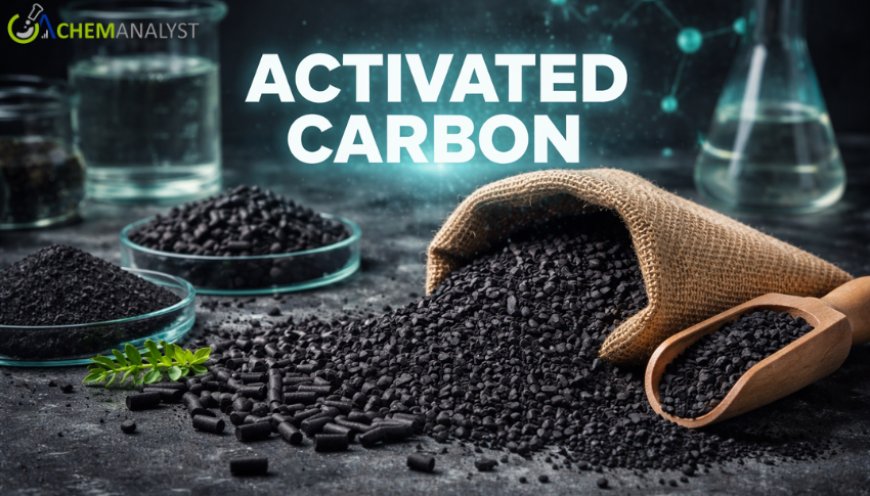
Activated carbon plays a crucial role in modern industrial ecosystems due to its exceptional adsorption capacity and versatility across applications such as water purification, air filtration, pharmaceuticals, and chemical processing. Over recent years, Activated Carbon Prices have experienced considerable fluctuations driven by raw material costs, regulatory changes, supply-chain constraints, and shifts in global demand patterns.
As industries continue to prioritize environmental compliance and sustainability in 2026, the demand outlook remains strong, influencing the latest price movements worldwide. Understanding the evolving Activated Carbon Prices Trends is essential for manufacturers, procurement managers, investors, and policymakers seeking to navigate this dynamic market.
Market Overview of Activated Carbon
Activated carbon is a highly porous adsorbent material produced from carbon-rich feedstocks such as coal, coconut shells, wood, and peat through chemical or thermal activation processes. Its extensive micro-pore structure allows it to remove impurities, odors, and contaminants effectively from liquids and gases.
Because of these characteristics, activated carbon is widely used in:
-
Municipal and industrial water treatment
-
Air purification systems
-
Pharmaceutical processing
-
Food and beverage filtration
-
Chemical manufacturing
-
Gold extraction and solvent recovery
The global market for activated carbon continues to expand due to increasing environmental regulations and rising demand for clean air and water solutions.
Latest Global Activated Carbon Prices Trends (2025–2026)
North America Market
In North America, particularly in the United States, Activated Carbon Prices showed a steady increase through late 2025 and continued into the early outlook for 2026. This rise was largely attributed to growing production costs and increasing environmental compliance requirements.
Key factors influencing price movements include:
-
Rising natural gas and coal feedstock costs
-
Inflation-driven increases in operational expenses
-
Strong demand from emission control industries
-
Shrinking manufacturing inventories
Additionally, tightening environmental regulations strengthened demand across industrial sectors, contributing to sustained upward pressure on prices. Rising retail sales and moderate industrial production growth also supported market demand.
Looking ahead into 2026, analysts expect North America to maintain a bullish pricing outlook due to strong demand from water treatment and emission control sectors.
Asia-Pacific Market
In contrast, the Asia-Pacific region experienced mixed pricing dynamics. China, the world’s largest producer and consumer of activated carbon, recorded a price decline during late 2025.
Primary reasons for declining prices included:
-
Falling coal feedstock costs
-
Weak industrial demand
-
Elevated inventory levels
-
Negative producer price index (PPI) trends
However, environmental regulations and expanding industrial output partially supported demand.
As the market transitions into 2026, APAC prices are expected to stabilize due to:
-
Growing water treatment infrastructure
-
Increasing demand in air purification
-
Government environmental initiatives
European Market
Europe witnessed rising Activated Carbon Prices Trends due to supply tightness and increasing production costs.
Key factors driving price increases included:
-
Higher energy and transportation costs
-
Rising wood and coconut shell feedstock prices
-
Strong demand from municipal water treatment and gas purification
-
Elevated freight and logistics expenses
Additionally, some manufacturers reduced output due to maintenance shutdowns, further tightening supply.
In 2026, the European market is expected to remain stable with moderate price growth driven by sustainability initiatives and stricter emission regulations.
Track Real Time Prices of Activated Carbon
https://www.chemanalyst.com/ChemAnalyst/PricingForm?Product=Activated%20Carbon
Key Factors Influencing Activated Carbon Prices
1. Feedstock Cost Volatility
Raw materials such as coal, wood, and coconut shells represent a significant portion of production costs. Any fluctuation in these feedstocks directly impacts Activated Carbon Prices globally.
Coal price volatility, energy cost increases, and supply disruptions remain critical drivers influencing market pricing trends.
2. Energy and Manufacturing Costs
Activated carbon production requires high-temperature processes that consume significant energy. Rising electricity and fuel prices have therefore contributed substantially to cost increases in recent years.
Inflationary pressures and increasing labor costs also continue to influence overall production expenses.
3. Environmental Regulations
One of the most significant demand drivers shaping Activated Carbon Prices Trends is the implementation of stringent environmental regulations.
Activated carbon is essential for:
-
Air pollution control systems
-
Water purification technologies
-
Industrial emission treatment
As governments strengthen environmental policies worldwide, demand continues to rise.
4. Supply Chain Constraints
Global supply chains have experienced disruptions due to logistics challenges, transportation costs, and trade restrictions. Higher freight rates and supply bottlenecks have contributed to regional price disparities.
5. Industrial Demand Growth
Activated carbon demand is closely tied to growth in key end-use industries such as:
-
Pharmaceuticals
-
Food processing
-
Mining
-
Water treatment
Industrial expansion and urbanization, particularly in emerging economies, remain strong price drivers.
Demand Outlook by Application Sector
Water Treatment Industry
Water purification is the largest application segment for activated carbon. Increasing water pollution concerns and infrastructure investments are expected to sustain demand growth.
Government initiatives promoting clean water access will likely support stable Activated Carbon Prices in the long term.
Air Purification and Emission Control
Industrial emission regulations continue to strengthen globally. Activated carbon is widely used in gas filtration systems, driving demand growth.
The rising adoption of air purification systems in residential and commercial sectors also contributes to increased consumption.
Pharmaceutical and Chemical Industry
Activated carbon is extensively used in purification processes for pharmaceuticals and chemical manufacturing.
As global pharmaceutical production expands, particularly in Asia, demand is expected to grow steadily through 2026.
Mining and Gold Recovery
Activated carbon plays a crucial role in gold extraction processes, especially in mining-intensive regions.
Fluctuations in gold mining activities can influence regional demand and pricing trends.
Supply Landscape and Key Producers
The global activated carbon market includes several major producers that influence supply availability and pricing dynamics.
Key manufacturers include:
-
Calgon Carbon Corporation
-
Cabot Corporation
-
Kuraray Co., Ltd.
-
Jacobi Carbons Group
These companies play a significant role in shaping global supply chains and market pricing structures.
Conclusion
The global market for activated carbon continues to evolve rapidly, driven by environmental regulations, industrial growth, and supply-chain dynamics. Activated Carbon Prices have experienced significant fluctuations in recent years, reflecting changes in feedstock costs, energy prices, and global demand patterns.
As the world moves further into 2026, the latest market outlook suggests sustained demand growth across water treatment, air purification, and industrial applications. Although regional variations will persist, the long-term trajectory remains positive, supported by increasing environmental awareness and technological advancements.
Understanding Activated Carbon Prices Trends will remain critical for stakeholders aiming to make informed procurement, investment, and strategic decisions in this dynamic global market.
What's Your Reaction?