

































A Complete Guide to Rehabilitation Centers in India: Cost, Treatment, and How to Choose

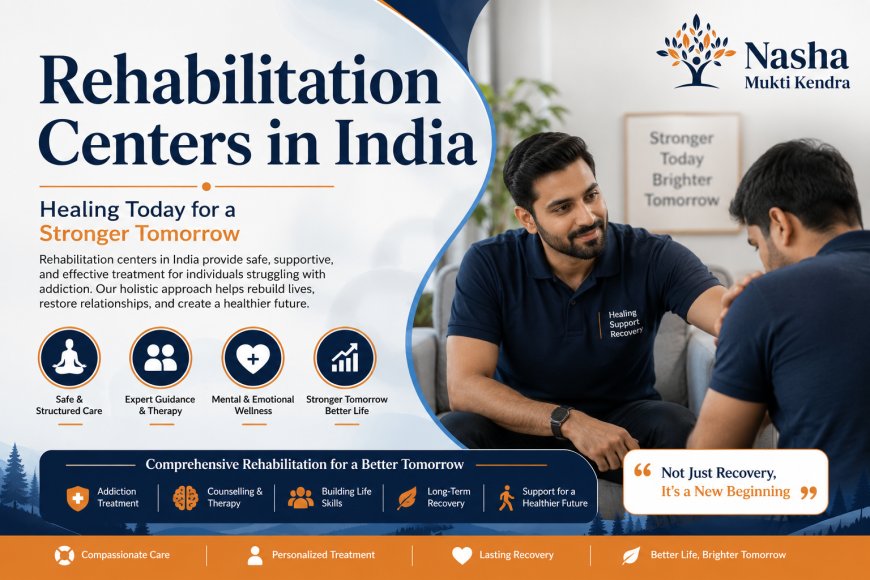
Finding the right rehabilitation center in India can feel overwhelming. Whether you are seeking help for alcohol addiction, drug dependency, or mental health struggles, knowing what to expect—and what to look for—makes all the difference in achieving long-term recovery.
Today, Indian rehab centers have moved far beyond the old-school Nasha Mukti Kendra model. Modern facilities blend clinical psychiatry with evidence-based therapy, medical detox, and holistic practices like yoga and mindfulness.
How Do Rehabilitation Centers in India Work?
Rehabilitation centers in India operate by providing structured, medically supervised treatment programs to help individuals safely overcome physical dependency and psychological distress.
Most reputable facilities follow a four-stage treatment model:
- Medical Assessment & Diagnosis: A team of psychiatrists and physicians evaluates the patient's physical health, addiction severity, and mental well-being.
- Supervised Detoxification: 24/7 medical supervision to safely manage withdrawal symptoms and cleanse the body of toxins.
- Psychotherapy & Behavioral Counseling: One-on-one Cognitive Behavioral Therapy (CBT), group counseling, and trauma-informed care to address underlying triggers.
- Aftercare & Relapse Prevention: Ongoing support, family counseling, and outpatient check-ins to ensure long-term sobriety after discharge.
What Types of Treatment Programs Are Available?
Depending on your daily responsibilities, budget, and recovery needs, you can choose between residential and outpatient care.
|
Feature |
Inpatient (Residential) Rehab |
Outpatient Rehab |
|
Best For |
Severe addiction, dual diagnosis, or high risk of relapse |
Mild-to-moderate dependency or post-rehab maintenance |
|
Living Setup |
24/7 stay inside a secure, structured facility |
Living at home while attending scheduled sessions |
|
Program Length |
Typically 30, 60, or 90 days |
3 to 6 months (flexible hours) |
|
Key Benefit |
Total break from daily triggers and access to continuous care |
Ability to keep working or managing family commitments |
What Conditions Do Indian Rehab Centers Treat?
Modern rehabilitation facilities across major hubs like Delhi-NCR, Mumbai, Bengaluru, and Pune cater to a wide variety of conditions:
- Substance Addiction: Alcohol, opioids, prescription medicines, cannabis, and nicotine dependency.
- Dual Diagnosis: Simultaneous treatment for substance abuse along with co-occurring mental health disorders like clinical depression, anxiety, or PTSD.
- Behavioral Addictions: Emerging programs for gambling, screen, and internet addictions.
- Neuro-Rehabilitation: Physical and cognitive rehab for stroke recovery, spinal injuries, and traumatic brain injury.
How Much Does Rehab Cost in India?
The cost of rehabilitation in India varies significantly based on the facility type, amenities, location, and length of stay:
- Government-Run & NGO Centers: Often free or minimal cost (₹2,000 – ₹10,000 per month). Basic accommodations focusing strictly on detox and essential counseling.
- Standard Private Rehabs: Ranging from ₹30,000 to ₹1,000,000 per month. Offers clean semi-private or private rooms, good clinical staff, and structured daily routines.
- Luxury & Wellness Rehabs: Ranging from ₹1,500,000 to ₹5,000,000+ per month. Features resort-like environments, private suites, personalized chef-curated meals, 1-on-1 therapy focus, and complete anonymity.
5 Things to Check Before Choosing a Center
Not all rehab centers operate to the same standard. To ensure safety, comfort, and actual results, check these five essentials before making a decision:
- Licensing & Accreditation: Confirm that the center holds valid state licenses (such as under the Mental Healthcare Act) or accreditations like NABH (National Accreditation Board for Hospitals & Healthcare Providers).
- In-House Clinical Team: Ensure the facility has full-time, certified psychiatrists, clinical psychologists, and nursing staff—not just visiting consultants.
- Customized Care Plans: Steer clear of centers offering "magic cures" or fixed timelines for everyone. Real recovery requires personalized treatment plans.
- Patient Rights & Ethics: A trustworthy center strictly respects patient dignity, maintaining a zero-tolerance policy for verbal or physical abuse and strict confidentiality.
- Structured Family Programs: Since recovery impacts the whole family, look for facilities that offer structured family therapy sessions to rebuild trust and healthy boundaries.
What's Your Reaction?