





























Why Bees Love Southern California: A Guide for Homeowners
Learn why bees thrive in Southern California and discover practical ways homeowners can prevent nesting while protecting pollinators safely.

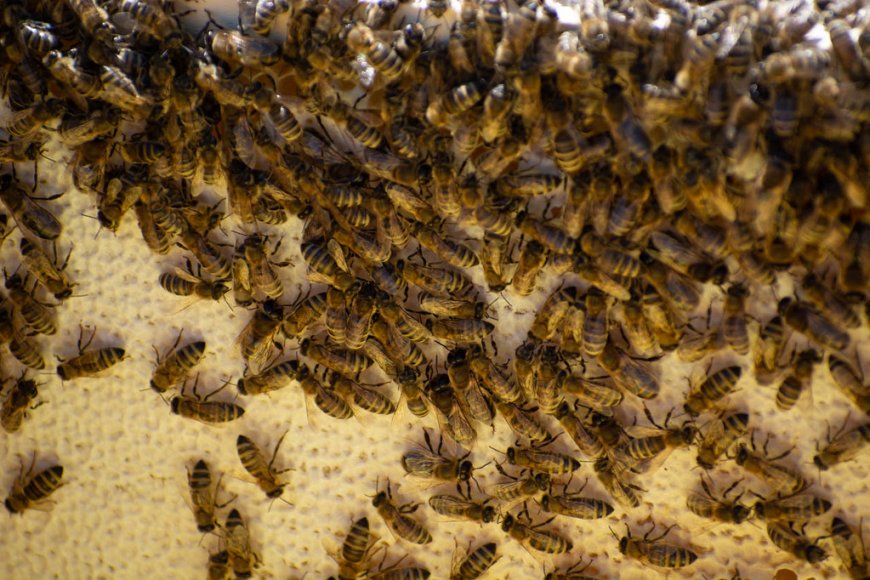
Southern California offers a combination of warmth, flowering plants, water, and shelter that attracts many pollinating insects. The region's mild climate allows gardens to remain productive throughout much of the year. Consequently, homeowners may notice increased activity around yards, patios, balconies, gardens, and exterior structures.
Understanding why these insects prefer Southern California can help homeowners manage outdoor spaces responsibly. Instead of reacting only after colonies appear, residents can recognize conditions that encourage nesting. This knowledge makes prevention easier while supporting healthy ecosystems throughout residential neighborhoods.
Homeowners should remember that pollinators provide valuable ecological benefits for gardens and surrounding landscapes. However, colonies located near living spaces can create safety concerns, particularly for sensitive household members. A thoughtful approach balances environmental responsibility with practical residential protection.
Bees Find Southern California Naturally Appealing
Southern California provides environmental conditions that support consistent insect activity across residential and suburban landscapes. Warm temperatures allow many species to remain active during extended periods throughout the calendar year. Unlike colder regions, Southern California rarely experiences prolonged freezing conditions that significantly restrict outdoor activity.
The region also contains diverse vegetation that provides abundant sources of nectar and pollen. Native plants, ornamental gardens, fruit trees, shrubs, and flowering landscapes create attractive feeding opportunities. Furthermore, irrigation systems help maintain vegetation during periods when natural rainfall becomes limited.
Urban development does not necessarily eliminate suitable habitats for bees across Southern California communities. Residential neighborhoods frequently contain flowering gardens, mature trees, fences, sheds, and decorative landscaping. These features can provide both food sources and potential shelter for colonies seeking protected locations.
Another important factor involves seasonal flowering patterns throughout different parts of Southern California. Plants may bloom at different times, creating a relatively continuous supply of available food. As one flowering species finishes, another may begin producing nectar and pollen nearby.
Water availability also influences insect activity around residential properties. Swimming pools, fountains, irrigation systems, dripping outdoor faucets, and birdbaths can provide accessible water. Although these sources serve useful household purposes, they may also increase insect activity around certain areas.
The combination of food, water, warmth, and shelter makes residential properties surprisingly attractive. Therefore, homeowners should understand these environmental factors before attempting unnecessary chemical control methods.
How Bees Discover Food Around Residential Properties
Foraging insects rely heavily upon scent, color, environmental patterns, and established flight routes when locating resources. Flowering plants can become particularly attractive when they provide abundant nectar and pollen simultaneously. Strongly scented flowers may also increase activity around specific garden areas.
Homeowners sometimes notice increased movement around flowering shrubs during warm afternoons. This activity usually reflects normal foraging behavior rather than immediate evidence of nesting. Observing patterns carefully can help residents distinguish temporary visits from persistent colony activity.
Fruit trees can also attract significant insect attention during flowering and fruiting periods. Citrus, avocado, peach, plum, and other productive trees may create valuable seasonal resources. Fallen fruit can further increase insect activity when sugars become exposed during warmer weather.
Garden design can influence where foraging insects concentrate around residential properties. Large clusters of flowering plants naturally create stronger attraction than scattered individual plants. Consequently, homeowners can strategically position pollinator gardens away from doors, patios, children's areas, and heavily used walkways.
Bees may also investigate structural openings when searching for protected nesting locations. Wall cavities, roof spaces, hollow trees, sheds, and unused equipment can provide suitable shelter. Small openings around these areas may become important entry points during nesting season.
Regular property inspections can therefore help homeowners identify conditions requiring attention. Checking exterior walls, rooflines, sheds, fences, and other structures can reveal potential access points. Early maintenance can prevent certain nesting opportunities without disrupting beneficial insects unnecessarily.
Creating Safer Outdoor Spaces Without Removing Nature
Homeowners can make practical landscape changes while continuing to support healthy pollinator populations. Strategic planting remains one of the most effective ways to influence where insects concentrate. Flowering plants can be grouped farther from high-traffic areas while maintaining valuable ecological resources.
Choosing suitable planting locations can reduce unnecessary interaction between household members and foraging insects. Gardens positioned near property boundaries may create useful separation from patios and entrances. Meanwhile, flowering plants around frequently used doorways can increase unwanted encounters.
However, repairs involving active colonies require additional caution because disturbance can provoke defensive behavior. Residents should never place themselves directly near an established colony without appropriate knowledge and protective equipment. Professional assistance becomes particularly valuable when insects occupy inaccessible structural spaces.
For homeowners noticing persistent activity around living areas, contacting a qualified bee removal service in Hollywood, LA can provide safer guidance. Professionals can evaluate the situation and recommend appropriate removal or relocation methods. Their experience can also help determine whether structural repairs are necessary afterward.
Responsible management should focus on reducing conflicts rather than eliminating beneficial insects unnecessarily. Most outdoor visitors are simply searching for food, water, or temporary shelter. Understanding this behavior allows homeowners to create better separation between nature and everyday household activities.
When Bees Begin Nesting Near Your Home
Occasional outdoor activity does not necessarily mean a colony has established itself nearby. However, repeated movement toward one opening may indicate more concentrated behavior. Homeowners should pay attention when insects consistently enter and leave the same structural location.
Persistent activity around wall gaps, rooflines, chimneys, or sheds deserves closer observation from a safe distance. Increased movement during warm periods may become particularly noticeable when colonies are actively developing. Residents should avoid tapping, spraying, blocking, or disturbing suspected nesting areas.
Established colonies can sometimes occupy locations that remain hidden from direct view. Wall cavities may conceal substantial activity while only a small entrance remains visible externally. Removing visible insects without addressing the underlying colony may therefore fail to solve the problem.
Professional assessment becomes especially important when nesting occurs inside occupied structures. Specialists can identify the colony's location and determine suitable removal strategies. They can also evaluate potential damage associated with honey, wax, moisture, or prolonged nesting.
Homeowners should also consider the location of the colony relative to daily household activities. A colony near bedrooms, entrances, play areas, or outdoor seating may create greater concerns. Greater distance from frequently occupied spaces generally reduces opportunities for accidental encounters.
It is equally important to recognize that not every insect resembling a honeybee represents the same situation. Several bee and wasp species can appear similar from a distance. Accurate identification helps professionals select appropriate management methods while avoiding unnecessary treatment.
Building Long-Term Protection for Southern California Homes
Long-term prevention begins with understanding how residential landscapes interact with local wildlife. Homeowners can maintain attractive gardens while reducing nesting opportunities near frequently occupied areas. Thoughtful planning creates healthier boundaries between household activities and natural habitats.
Regular inspections should become part of ordinary property maintenance throughout the year. Checking rooflines, exterior walls, sheds, fences, vents, and trees can reveal developing problems. Addressing structural openings early may prevent certain animals and insects from establishing protected nesting sites.
Bees play important roles within Southern California ecosystems, particularly by supporting flowering plants and food production. Their presence should therefore be managed thoughtfully rather than treated automatically as a problem. Responsible homeowners can protect both household safety and valuable ecological functions.
Understanding why bees favor Southern California helps residents make informed decisions about their properties. Warm weather, flowering vegetation, water sources, and sheltered spaces naturally create attractive residential environments. By working with these conditions, homeowners can protect their families while respecting the region's important pollinator populations.
What's Your Reaction?