






























Naphthalene Market Analysis 2026: Latest Trends, Demand Drivers, and Growth Outlook
Naphthalene Market

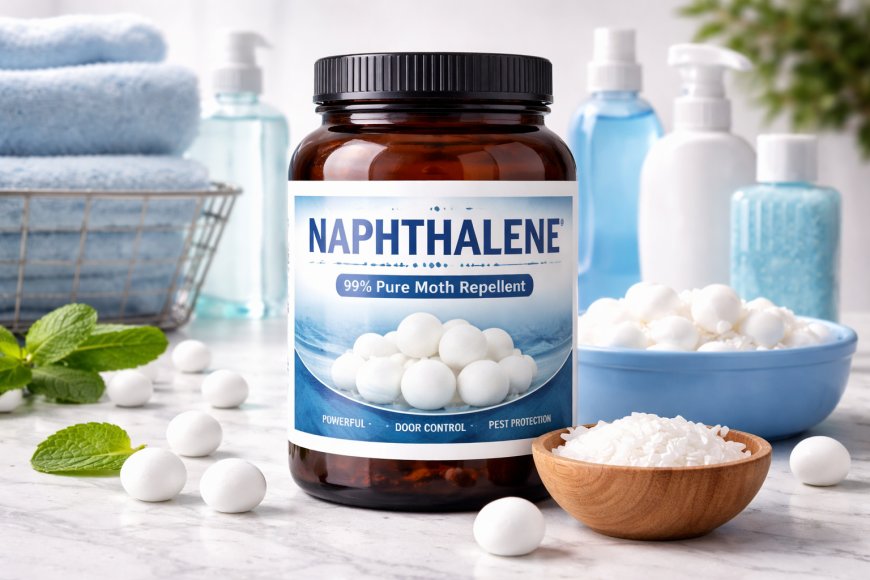
The Naphthalene Market is an essential segment of the global petrochemical and specialty chemicals industry, driven by its extensive use as a key intermediate in manufacturing phthalic anhydride, dyes, resins, and construction chemicals. Naphthalene, a polycyclic aromatic hydrocarbon derived primarily from coal tar and petroleum streams, has maintained its relevance due to its chemical stability, versatility, and cost-effectiveness.
As industrialization accelerates globally and infrastructure investments rise, the Naphthalene Market is witnessing steady growth. The evolving Naphthalene Market Trend highlights increasing demand from construction, automotive, and chemical manufacturing sectors, making it a critical raw material in modern industrial applications.
Naphthalene Market Size and Growth Outlook
The global Naphthalene Market Size was valued at approximately USD 1,864 million in 2025 and is projected to reach USD 2,906 million by 2036, growing at a CAGR of around 4.17% during the forecast period.
This growth is driven by strong demand from downstream industries such as construction chemicals, plastics, and specialty chemicals. The increasing use of naphthalene derivatives, particularly in high-performance materials, is expected to sustain this upward trajectory.
Additionally, other market analyses indicate consistent expansion due to rising industrial applications and infrastructure development, reinforcing a stable long-term outlook for the Naphthalene Market.
Key Market Drivers
1. Rising Demand for Phthalic Anhydride
One of the primary drivers of the Naphthalene Market is its use as a feedstock for phthalic anhydride production. This compound is widely used in:
-
Plasticizers
-
Alkyd resins
-
Unsaturated polyester resins
Phthalic anhydride remains the largest application segment due to its widespread industrial use, making it a key contributor to overall market demand.
2. Growth in Construction and Infrastructure
The construction industry is a major consumer of naphthalene-based products, particularly sulfonated naphthalene formaldehyde (SNF), which is used as a superplasticizer in concrete.
These additives:
-
Improve workability of concrete
-
Enhance compressive strength
-
Reduce water consumption
Rapid urbanization and infrastructure expansion, especially in Asia-Pacific, are significantly boosting the Naphthalene Market Trend.
3. Increasing Use in Chemical Manufacturing
Naphthalene is widely used in the production of:
-
Dyes and pigments
-
Agrochemicals
-
Solvents
-
Synthetic resins
The growth of the global chemical industry is directly supporting the expansion of the Naphthalene Market Size.
4. Expanding Automotive and Plastics Industry
Naphthalene derivatives play a crucial role in producing lightweight plastics and high-performance materials used in the automotive sector. With increasing demand for fuel-efficient vehicles and durable materials, this sector continues to drive market growth.
Naphthalene Market Trends
1. Shift Toward High-Performance Materials
A key Naphthalene Market Trend is the growing use of naphthalene derivatives in advanced materials such as:
-
Engineering plastics
-
Composite resins
-
High-performance coatings
These materials offer enhanced durability, thermal stability, and mechanical strength.
2. Technological Advancements in Production
Advancements in coal tar distillation and petroleum refining processes are improving:
-
Yield efficiency
-
Product purity
-
Environmental compliance
Manufacturers are investing in process optimization to meet increasing demand and regulatory standards.
3. Growing Demand for Concrete Additives
The rising demand for ready-mix concrete and large-scale infrastructure projects is boosting the use of naphthalene-based superplasticizers, making this segment one of the fastest-growing applications.
4. Sustainability and Efficiency Focus
While naphthalene is derived from fossil-based sources, its role in improving material efficiency (e.g., longer-lasting concrete and lightweight plastics) aligns with sustainability goals by reducing lifecycle emissions.
Market Segmentation
By Source
The Naphthalene Market is segmented into:
-
Coal Tar (Dominant Segment)
-
Petroleum
Coal tar remains the primary source due to its higher yield and cost-effectiveness.
By Application
Key application segments include:
-
Phthalic Anhydride (Largest Segment)
-
Sulfonated Naphthalene Formaldehyde
-
Azo Dyes
-
Alkylated Naphthalene Solvents
-
Others
Phthalic anhydride dominates the Naphthalene Market Size due to its extensive use in plastics and resins.
By End-Use Industry
-
Construction
-
Chemical Manufacturing
-
Automotive
-
Textile
-
Agriculture
The construction sector leads due to high demand for concrete admixtures and infrastructure materials.
Regional Analysis
Asia-Pacific: Market Leader
Asia-Pacific dominates the global Naphthalene Market, driven by:
-
Rapid industrialization
-
Strong construction sector
-
Government initiatives such as infrastructure development programs
Countries like China and India are key contributors to regional growth.
North America
North America shows stable growth due to:
-
Advanced chemical manufacturing
-
Demand for specialty chemicals
-
Infrastructure maintenance and renovation
Europe
Europe’s market is influenced by:
-
Strict environmental regulations
-
Focus on sustainable materials
-
Demand for high-performance chemical intermediates
Middle East & Africa
This region is emerging as a production hub due to:
-
Availability of raw materials
-
Increasing petrochemical investments
Book A Demo
https://www.chemanalyst.com/ChemAnalyst/RequestForm?rn=Naphthalene%20Market
Competitive Landscape
The global Naphthalene Market is moderately competitive, with key players including:
-
Baoshun Chemical
-
JFE Chemical Corporation
-
Rain Carbon Inc.
-
Xinnuo Lixing Group
-
Nippon Steel & Sumitomo Metal Corporation
These companies are focusing on:
-
Capacity expansion
-
Technological innovation
-
Strategic collaborations
Supply Chain and Production Insights
Naphthalene is primarily produced through:
-
Coal tar distillation
-
Petroleum refining processes
The supply chain is influenced by:
-
Availability of coal tar
-
Crude oil prices
-
Industrial demand cycles
Production efficiency improvements are helping manufacturers maintain stable supply levels despite market fluctuations.
Challenges in the Naphthalene Market
1. Environmental and Regulatory Concerns
Naphthalene is classified as a polycyclic aromatic hydrocarbon (PAH), which can pose environmental and health risks. This has led to stricter regulations affecting production and usage.
2. Dependence on Coal Tar Feedstock
The heavy reliance on coal tar limits supply flexibility and exposes the market to raw material price volatility.
3. Competition from Alternative Materials
The development of alternative chemical intermediates and eco-friendly substitutes may pose challenges to market growth.
Opportunities for Growth
1. Expansion in Emerging Economies
Rapid industrialization in emerging markets presents significant opportunities for the Naphthalene Market.
2. Growth in Infrastructure Projects
Large-scale infrastructure development projects will continue to drive demand for naphthalene-based construction chemicals.
3. Innovation in Chemical Applications
Advancements in specialty chemicals and materials science are expected to open new application areas for naphthalene derivatives.
Future Outlook (2026 and Beyond)
The Naphthalene Market Trend for 2026 indicates steady growth supported by:
-
Increasing construction activities
-
Rising demand for high-performance materials
-
Expanding chemical manufacturing sector
With continuous innovation and strong demand fundamentals, the market is expected to maintain a positive growth trajectory over the forecast period.
Conclusion
The Naphthalene Market is poised for sustained growth, driven by its indispensable role in chemical manufacturing and construction industries. The expanding Naphthalene Market Size, coupled with evolving Naphthalene Market Trends, reflects the increasing importance of this compound in modern industrial applications.
Despite challenges such as environmental concerns and feedstock dependency, the market offers significant opportunities through innovation, infrastructure development, and emerging economies. As industries continue to evolve, naphthalene will remain a critical component in the global chemical landscape.
What's Your Reaction?