































Silicone Rubber Price Trends and Market Dynamics Worldwide
Silicone rubber is a high-performance synthetic elastomer widely used across industries due to its thermal stability, flexibility, chemical resistance, and electrical insulation properties

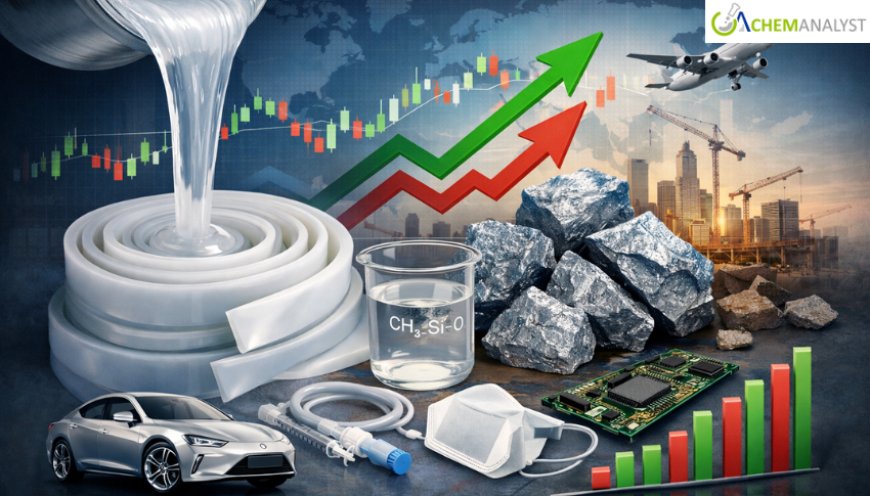
Silicone rubber is a high-performance synthetic elastomer widely used across industries due to its thermal stability, flexibility, chemical resistance, and electrical insulation properties. It is composed primarily of silicon, oxygen, carbon, and hydrogen and can operate effectively across extreme temperature ranges. These characteristics make it essential in sectors such as automotive, electronics, healthcare, aerospace, and construction.
Over the past few years, global market fluctuations have significantly influenced the Silicone Rubber Price, driven by shifts in feedstock costs, demand patterns, logistics, and regional supply conditions. The market has experienced both upward and downward cycles, reflecting evolving macroeconomic conditions and sectoral demand changes worldwide.
Global Market Overview
The global silicone rubber market remains closely tied to feedstock materials such as silicon metal and siloxanes. Variations in raw material costs, energy prices, and production capacity have played a crucial role in shaping pricing patterns. Additionally, the balance between supply availability and demand from key industries determines short-term fluctuations.
Several macroeconomic factors have influenced pricing, including:
- Changes in silicon metal costs
- Inventory levels and supply availability
- Demand fluctuations from automotive and construction sectors
- Logistics and transportation costs
- Import-export dynamics
Overall, pricing patterns during 2025 reflected a mixed trajectory, with periods of cost pressure followed by easing due to supply stability and falling feedstock costs.
North America Market Analysis
Recent Price Movements
In North America, particularly the United States, pricing displayed moderate volatility during 2025. In the fourth quarter of the year, the market experienced a slight decline of around 0.7% quarter-over-quarter due to ample supply conditions and distributor inventory drawdowns. Average prices hovered around USD 9,500 per metric ton during this period.
Earlier in the year, prices saw a rise driven by tighter feedstock availability and increased production costs. Silicon metal inflation raised manufacturing expenses, prompting suppliers to adjust pricing levels to protect margins.
Key Drivers
Several factors influenced market dynamics in the region:
- Feedstock Cost Fluctuations – Declines in silicon metal prices reduced production costs, easing pricing pressure.
- Demand Weakness – Automotive and construction sector slowdowns limited consumption growth.
- Inventory Management – Adequate domestic supply and distributor stockpiles reduced urgency for purchases.
- Energy and Logistics – Competitive natural gas power availability supported stable production levels.
Demand Outlook
Demand remains mixed in North America. While aerospace and medical industries continue to show resilience, weak construction activity and uneven automotive demand limit overall growth potential.
Asia Pacific Market Analysis
Price Developments
In the Asia Pacific region, especially Indonesia, prices declined slightly during late 2025 due to lower feedstock costs and strong import supply. The average price in the fourth quarter was approximately USD 8,554 per metric ton.
Earlier in the year, prices increased due to tighter supplier availability and rising feedstock costs, but these gains were moderated by stable imports and inventory drawdowns.
Market Influencing Factors
The regional market has been influenced by:
- Strong import availability from China
- Declining silicon metal costs
- Stable automotive and electronics demand
- Currency fluctuations affecting landed costs
Abundant supply and stable procurement from downstream industries have kept price fluctuations relatively moderate.
Demand Trends
Asia Pacific remains the largest consumer region due to strong industrial growth. Demand is supported by electronics manufacturing, automotive production, and infrastructure activities. However, cautious procurement strategies continue to limit rapid price recovery.
Track Real Price of Silicone Rubber Price
https://www.chemanalyst.com/ChemAnalyst/PricingForm?Product=Silicone%20Rubber%20
European Market Analysis
Price Movement Patterns
Europe recorded mixed price trends during 2025. In Germany, prices increased slightly by about 1.3% in late 2025 due to restocking activities, with average values near USD 10,250 per metric ton.
However, earlier periods saw declines due to stable supply and reduced demand from key sectors such as construction and automotive.
Key Influencing Factors
European market dynamics have been shaped by:
- Competitive imports from Asia
- Falling energy and feedstock costs
- Weak automotive production
- Logistics improvements reducing transportation expenses
Operational disruptions occasionally tightened supply, but adequate inventories ensured stable availability.
Demand Outlook
While healthcare and aerospace sectors provide stable demand, construction and automotive markets continue to show sluggish growth, affecting overall consumption patterns.
Major Factors Influencing Silicone Rubber Price Trends
1. Feedstock Costs
The most significant driver of pricing is the cost of silicon metal and siloxanes. Declining feedstock costs often result in reduced production expenses and lower market prices. Conversely, supply constraints or price increases in raw materials lead to cost-push inflation.
2. Supply-Demand Balance
Global production capacity and inventory levels significantly influence market stability. High supply availability tends to suppress prices, while tight supply conditions drive increases.
3. Downstream Industry Demand
Demand from industries such as automotive, electronics, and construction plays a major role in shaping market conditions. Weak sectoral performance often leads to reduced procurement activity.
4. Logistics and Trade Factors
Transportation costs, port congestion, and import-export flows can impact regional pricing dynamics. Smooth logistics typically reduce landed costs and stabilize markets.
5. Energy and Production Costs
Energy prices affect manufacturing costs significantly. Regions with competitive energy availability often maintain stable production and pricing.
Historical Pricing Patterns
Throughout 2025, the market exhibited cyclical movements:
- Early year: Price declines due to improved supply and falling feedstock costs
- Mid-year: Gradual recovery driven by rising demand from automotive and electronics sectors
- Late year: Stabilization and moderate declines due to inventory surplus and feedstock cost easing
This pattern highlights the strong correlation between production costs and demand cycles in determining market direction.
Global Demand Drivers
Several industries continue to shape demand growth worldwide:
Automotive Industry
Silicone rubber is widely used in seals, gaskets, and electrical components. Growth in electric vehicle production supports demand expansion.
Electronics Sector
Its electrical insulation and thermal resistance properties make it essential in electronic components and devices.
Construction Industry
Silicone rubber is used in sealants, adhesives, and weatherproofing materials.
Healthcare and Aerospace
These sectors require high-performance elastomers for medical devices and aircraft components.
Supply Chain Dynamics
Global supply chains for silicone rubber remain highly integrated. Major producers operate large-scale manufacturing facilities and maintain international distribution networks.
Key suppliers include:
- Dow Inc.
- Elkem Silicones
- Momentive Performance Materials
- Wacker Chemie AG
Production capacity expansions and stable feedstock availability are expected to maintain adequate supply levels in the coming years.
Future Outlook
Short-Term Forecast
The near-term outlook indicates moderate price fluctuations driven by:
- Seasonal restocking activities
- Feedstock cost recovery
- Maintenance shutdowns affecting supply
Overall, the market is expected to remain stable with limited volatility.
Long-Term Outlook
In the long term, demand growth from electronics, electric vehicles, and renewable energy sectors is expected to support steady market expansion. Technological advancements and sustainability initiatives may also influence production costs and pricing structures.
However, the market will continue to remain sensitive to raw material price changes and macroeconomic conditions.
Conclusion
The global silicone rubber market has experienced moderate fluctuations over the past year, shaped primarily by feedstock cost movements, supply-demand balance, and sectoral demand patterns. While pricing declined in several regions due to abundant supply and falling raw material costs, periodic increases occurred during times of tighter supply and improved demand.
Looking ahead, stable demand from key industries and adequate production capacity are likely to keep market conditions balanced. Seasonal restocking cycles and feedstock price movements will continue to drive short-term variations in Silicone Rubber Price Trends.
Overall, the market is expected to maintain steady growth, supported by expanding industrial applications and technological advancements worldwide.
About Us:
Welcome to ChemAnalyst, a next–generation platform for chemical and petrochemical intelligence where innovation meets practical insight. Recognized as “Product Innovator of the Year 2023” and ranked among the “Top 100 Digital Procurement Solutions Companies,” we lead the digital transformation of the global chemical sector. Our online platform helps companies handle price volatility with structured analysis, real-time pricing, and reliable news and deal updates from across the world. Tracking over 500 chemical prices in more than 40 countries becomes simple and efficient with us.
Contact Us:
ChemAnalyst
Email: sales@chemanalyst.com
Website: https://www.chemanalyst.com/
LinkedIn: https://www.linkedin.com/company/chemanalyst/
Facebook: https://www.facebook.com/ChemAnalysts/
Twitter: https://x.com/chemanalysts
YouTube: https://www.youtube.com/@chemanalyst
Instagram: https://www.instagram.com/chemanalyst_
What's Your Reaction?