





























How Inflation Is Affecting Property Value and Rental Income
Inflation has become one of the most talked-about economic forces in recent years, and its impact on real estate is hard to ignore.

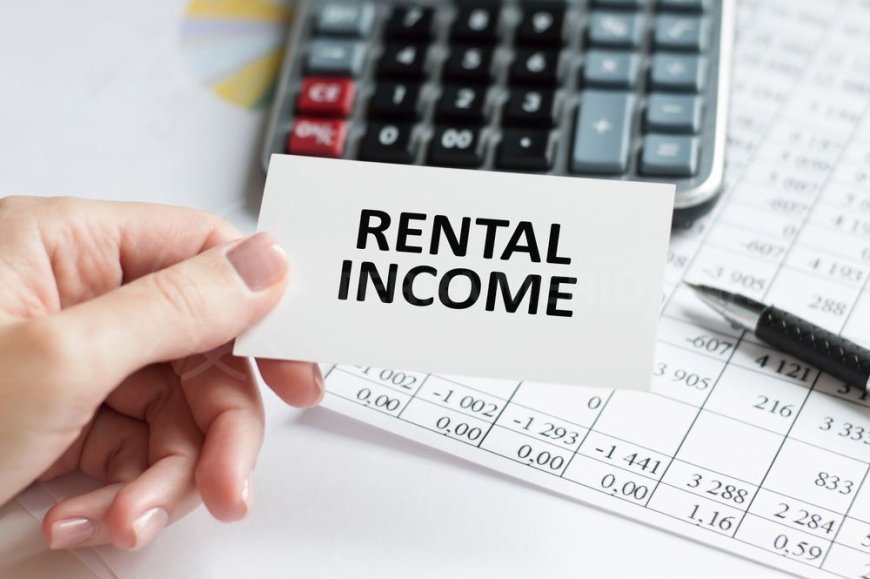
Inflation has become one of the most talked-about economic forces in recent years, and its impact on real estate is hard to ignore. Whether you are a property investor, landlord, or someone planning to enter the market, understanding how inflation influences property value and rental income is essential. While real estate has traditionally been seen as a hedge against inflation, the reality is more nuanced.
Understanding Inflation in the Real Estate Context
Inflation refers to the general increase in prices over time, which reduces purchasing power. In real estate, this affects everything from construction costs to property prices and rental income. As the cost of materials, labor, and financing rises, both developers and investors feel the pressure.
Interestingly, industries like a clothing manufacturer also face similar challenges during inflation. Rising raw material costs and supply chain disruptions increase production expenses, just as construction costs rise in the property sector. This parallel highlights how inflation impacts multiple industries at once.
Impact on Property Value
One of the most direct effects of inflation is the increase in property prices. As construction costs rise, new developments become more expensive, which pushes up the value of existing properties. For property owners, this can be a positive outcome since their assets appreciate over time.
However, the situation is not always straightforward. Inflation often leads to higher interest rates, as central banks attempt to control rising prices. Higher mortgage rates can reduce buyer demand, which may slow down price growth or even cause temporary declines in some markets.
For investors, this creates a mixed scenario. On one hand, property values may increase due to higher replacement costs. On the other, reduced affordability can limit the pool of potential buyers, making it harder to sell quickly.
Rising Rental Income
Inflation also has a significant impact on rental income. As the cost of living increases, landlords often raise rents to keep up with rising expenses. This can lead to higher rental yields, especially in high-demand areas where tenants are willing to pay more.
For example, when utilities, maintenance, and property management costs increase, landlords pass these costs on to tenants. In many urban markets, this results in steady rental growth during inflationary periods.
However, there is a limit to how much rent can be increased. If wages do not keep pace with inflation, tenants may struggle to afford higher rents. This can lead to increased vacancy rates or the need for landlords to offer incentives to retain tenants.
Cost Pressures on Property Owners
While inflation can increase both property values and rental income, it also raises the cost of owning and maintaining property. Expenses such as repairs, insurance, property taxes, and utilities tend to rise during inflationary periods.
This is similar to the challenges faced by a clothing manufacturer, where increased costs of fabrics, labor, and transportation can reduce profit margins. In real estate, if rental income does not increase at the same rate as expenses, overall profitability can be affected.
Property owners need to carefully manage these rising costs to ensure their investments remain viable. Budgeting, long-term planning, and efficient property management become even more important during inflation.
The Role of Interest Rates
Interest rates play a crucial role in how inflation affects real estate. When inflation rises, central banks often increase interest rates to stabilize the economy. Higher interest rates make borrowing more expensive, which affects both buyers and investors.
For homebuyers, higher mortgage rates reduce affordability, leading to lower demand. For investors, financing costs increase, which can impact cash flow and returns. This can slow down property transactions and affect overall market activity.
At the same time, existing property owners with fixed-rate mortgages may benefit. Their loan payments remain stable while rental income and property values increase, improving their financial position over time.
Inflation as a Long-Term Hedge
Despite short-term challenges, real estate is still considered a strong hedge against inflation in the long run. Property values and rental income tend to rise over time, helping investors preserve and grow their wealth.
Unlike cash or fixed-income investments, real estate provides both capital appreciation and income generation. This makes it an attractive option during periods of economic uncertainty.
However, success depends on choosing the right location, managing costs effectively, and adapting to market conditions. Just as a clothing manufacturer must adjust pricing strategies and supply chains during inflation, property investors must remain flexible and informed.
Strategies for Investors
To navigate inflation successfully, property investors should focus on a few key strategies:
- Invest in high-demand locations where rental growth is more likely
- Consider properties with value-add potential to increase income
- Lock in fixed-rate financing when possible
- Regularly review expenses and optimize property management
- Stay updated on market trends and economic indicators
These strategies can help mitigate risks and maximize returns during inflationary periods.
Final Thoughts
Inflation has a complex impact on property value and rental income. While it can drive up prices and rents, it also increases costs and affects affordability. Understanding these dynamics is essential for making informed investment decisions.
By staying proactive and adapting to changing conditions, investors can turn inflation into an opportunity rather than a challenge. Whether you are managing a real estate portfolio or running a business like a clothing manufacturer, the key lies in balancing costs, pricing, and long-term strategy to maintain growth and profitability.
What's Your Reaction?