

































How Elbow Surgery Helps Athletes Return to Sports Safely

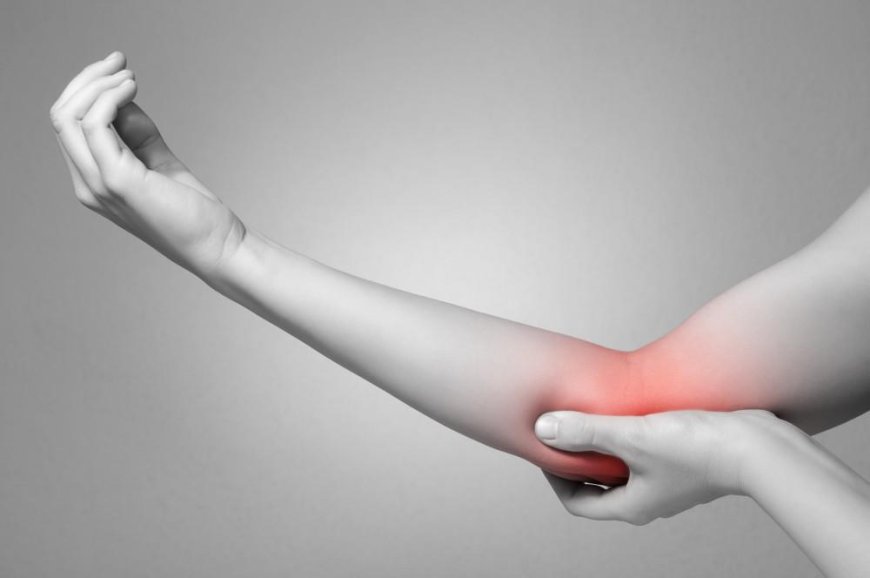
Sports place a great deal of stress on the body, especially on the joints that are used repeatedly during training and competition. Athletes often rely on strong and healthy elbows to perform at their best. Whether throwing a ball, lifting weights, swinging a racket, or participating in contact sports, the elbow plays a major role in movement and performance.
In some cases, injuries to the elbow become too severe to heal through rest, medication, or physical therapy alone. This is where elbow surgery for athletes can become an important treatment option. When performed at the right time and followed by proper rehabilitation, surgery can help athletes recover safely and return to the activities they love.
This article explains how elbow surgery helps athletes, the types of injuries that may require surgery, the recovery process, and how athletes can safely return to sports after treatment.
Understanding the Importance of the Elbow in Sports
The elbow is a complex joint that connects the upper arm to the forearm. It allows bending, straightening, and rotational movements that are necessary for many athletic activities.
Athletes in sports such as:
- Baseball
- Tennis
- Golf
- Cricket
- Volleyball
- Weightlifting
- Gymnastics
- Rugby
- Football
depend heavily on elbow strength and flexibility. Because the elbow experiences repetitive stress and high-impact forces, it can become vulnerable to injury over time.
When an elbow injury occurs, athletes may experience pain, swelling, weakness, stiffness, and reduced performance. If left untreated, these problems can worsen and limit participation in sports.
Common Elbow Injuries in Athletes
Several types of elbow injuries can affect athletes. Some develop gradually due to overuse, while others happen suddenly during competition or training.
Ligament Injuries
Ligaments are strong tissues that connect bones together. Athletes who perform repetitive throwing motions often place significant stress on the elbow ligaments.
Damage to these ligaments can cause:
- Pain during activity
- Joint instability
- Reduced throwing power
- Difficulty performing sports movements
Severe ligament tears may require surgical repair or reconstruction.
Tendon Injuries
Tendons connect muscles to bones. Repetitive movements can lead to tendon inflammation and degeneration.
Common tendon-related conditions include:
- Tennis elbow
- Golfer's elbow
- Tendon tears
When conservative treatments fail to relieve symptoms, surgery may be recommended.
Fractures
A direct impact or fall can cause fractures around the elbow joint. Athletes involved in contact sports are particularly at risk.
Some fractures heal with immobilization, while more complex fractures may require surgery to restore proper joint alignment.
Cartilage Damage
Cartilage provides smooth movement within the joint. Repetitive stress or trauma can damage cartilage surfaces.
Symptoms may include:
- Joint locking
- Pain
- Swelling
- Reduced mobility
Surgical treatment may help repair damaged cartilage and improve joint function.
Dislocations
An elbow dislocation occurs when the bones of the joint are forced out of their normal position.
Severe dislocations can damage:
- Ligaments
- Tendons
- Nerves
- Cartilage
Surgery may be necessary to stabilize the joint and prevent future problems.
When Is Elbow Surgery Recommended?
Not every elbow injury requires surgery. Doctors usually begin treatment with non-surgical methods whenever possible.
These may include:
- Rest
- Ice therapy
- Physical therapy
- Anti-inflammatory medications
- Bracing
- Activity modification
Surgery is generally considered when:
- Pain continues despite treatment
- Joint instability affects performance
- Significant ligament or tendon tears are present
- Fractures require surgical fixation
- Athletes cannot safely return to sports
- Elbow function remains limited
The decision depends on the athlete's age, activity level, sport, injury severity, and overall health.
Types of Elbow Surgery for Athletes
Modern orthopedic techniques offer several surgical options depending on the specific injury.
Arthroscopic Elbow Surgery
Arthroscopy is a minimally invasive procedure that uses a small camera inserted through tiny incisions.
This approach allows surgeons to:
- Remove damaged tissue
- Repair cartilage injuries
- Treat joint stiffness
- Address inflammation
Benefits may include:
- Smaller incisions
- Less tissue damage
- Reduced pain
- Faster recovery
Ligament Reconstruction
Athletes who suffer significant ligament damage may require reconstruction.
During the procedure:
- Damaged ligament tissue is removed
- A tendon graft is used to create a new ligament
- Joint stability is restored
This procedure is commonly performed for throwing athletes.
Tendon Repair Surgery
When tendons are torn or severely damaged, surgical repair may be necessary.
The surgeon reattaches or reconstructs the damaged tendon to restore strength and function.
Fracture Fixation
Complex fractures may require:
- Plates
- Screws
- Pins
These devices help hold the bones in proper alignment while healing occurs.
Cartilage Restoration Procedures
Specialized procedures can repair or restore damaged cartilage within the elbow joint.
The goal is to:
- Reduce pain
- Improve movement
- Protect long-term joint health
Benefits of Elbow Surgery for Athletes
When appropriate, surgery can provide several important benefits for athletes.
Restoring Joint Stability
Athletes need a stable elbow to perform powerful and controlled movements.
Surgical treatment can restore structural support and improve confidence during sports participation.
Reducing Pain
Persistent pain can interfere with training and competition.
Correcting the underlying problem often helps reduce or eliminate pain.
Improving Range of Motion
Stiffness can significantly affect athletic performance.
Surgery may help restore normal movement and flexibility.
Enhancing Performance
Once healing is complete, athletes often regain strength, endurance, and coordination.
This can help them return to their previous level of competition.
Preventing Further Damage
Untreated injuries can lead to worsening joint damage over time.
Early surgical intervention may help protect the elbow from long-term complications.
The Recovery Process After Elbow Surgery
Recovery is one of the most important aspects of successful treatment.
Surgery alone does not guarantee a return to sports. Rehabilitation plays a major role in achieving the best outcome.
Initial Healing Phase
Immediately after surgery, athletes focus on:
- Protecting the surgical site
- Managing swelling
- Controlling pain
- Allowing tissues to heal
The elbow may be supported with a brace or splint during this stage.
Physical Therapy
Physical therapy usually begins according to the surgeon's recommendations.
Therapy focuses on:
- Restoring flexibility
- Improving range of motion
- Building strength
- Enhancing joint stability
Exercises are introduced gradually to avoid stressing healing tissues.
Strength Training
As recovery progresses, athletes begin strengthening exercises.
This stage targets:
- Forearm muscles
- Upper arm muscles
- Shoulder muscles
- Core stability
Strong supporting muscles help reduce stress on the elbow.
Sport-Specific Rehabilitation
Before returning to competition, athletes participate in sport-specific training.
Examples include:
- Throwing programs for baseball players
- Racket drills for tennis players
- Weightlifting progression plans
These activities help prepare the body for athletic demands.
Returning to Sports Safely
One of the main goals of elbow surgery for athletes is helping individuals return to sports safely.
Returning too early can increase the risk of reinjury. Therefore, athletes should follow medical guidance carefully.
Factors That Influence Return to Sports
Several factors affect recovery timelines:
- Type of injury
- Surgical procedure performed
- Athlete's age
- Overall health
- Rehabilitation progress
- Sport-specific demands
Every athlete heals at a different pace.
Medical Clearance
Athletes should only return to sports after receiving clearance from their orthopedic specialist.
The doctor may evaluate:
- Strength
- Flexibility
- Stability
- Pain levels
- Functional performance
This helps ensure the elbow is ready for athletic activity.
Gradual Return
Returning to sports should happen gradually.
Athletes often progress through stages:
- Light training
- Controlled practice
- Full practice sessions
- Competitive participation
This step-by-step approach reduces the risk of setbacks.
Preventing Future Elbow Injuries
Although surgery can successfully treat many injuries, prevention remains important.
Athletes can reduce injury risk by:
Following Proper Technique
Incorrect sports techniques can place excessive stress on the elbow.
Professional coaching can help improve movement patterns.
Avoiding Overuse
Excessive training without adequate recovery increases injury risk.
Athletes should balance training with proper rest.
Maintaining Strength and Flexibility
Regular conditioning programs support joint stability and function.
Strengthening surrounding muscles helps protect the elbow.
Warming Up Properly
A proper warm-up prepares muscles and joints for activity.
This can improve performance and reduce injury risk.
Listening to Early Symptoms
Ignoring pain often leads to more serious injuries.
Seeking medical evaluation early can prevent small problems from becoming major issues.
Long-Term Outlook After Elbow Surgery
Advances in orthopedic surgery and rehabilitation have significantly improved outcomes for athletes.
Many individuals successfully return to:
- Recreational sports
- Amateur competition
- Professional athletics
The long-term outlook often depends on:
- Injury severity
- Surgical success
- Commitment to rehabilitation
- Ongoing injury prevention strategies
With proper care, many athletes regain excellent elbow function and continue participating in sports for years.
Conclusion
Elbow injuries can be challenging for athletes because they directly affect performance, strength, and mobility. Fortunately, modern surgical techniques provide effective solutions for many conditions that do not respond to conservative treatment. From ligament reconstruction and tendon repair to minimally invasive arthroscopic procedures, elbow surgery for athletes can help restore joint stability, reduce pain, and improve overall function.
Successful recovery requires patience, professional guidance, and a structured rehabilitation program. By following the recommended treatment plan and gradually returning to activity, athletes can safely resume training and competition with confidence.
For individuals seeking specialized orthopedic care and expert guidance on sports-related elbow conditions, Dr Marouane Bouloudhnine offers advanced treatment approaches focused on helping athletes return to an active and healthy lifestyle.
What's Your Reaction?